We borrowed a kayak
I have always found it a daunting prospect to organise my own trip on the water: where to launch from, how to assess the weather and tides etc.. When a friend offered me the use of his kayak, I had to come to terms with these challenges.
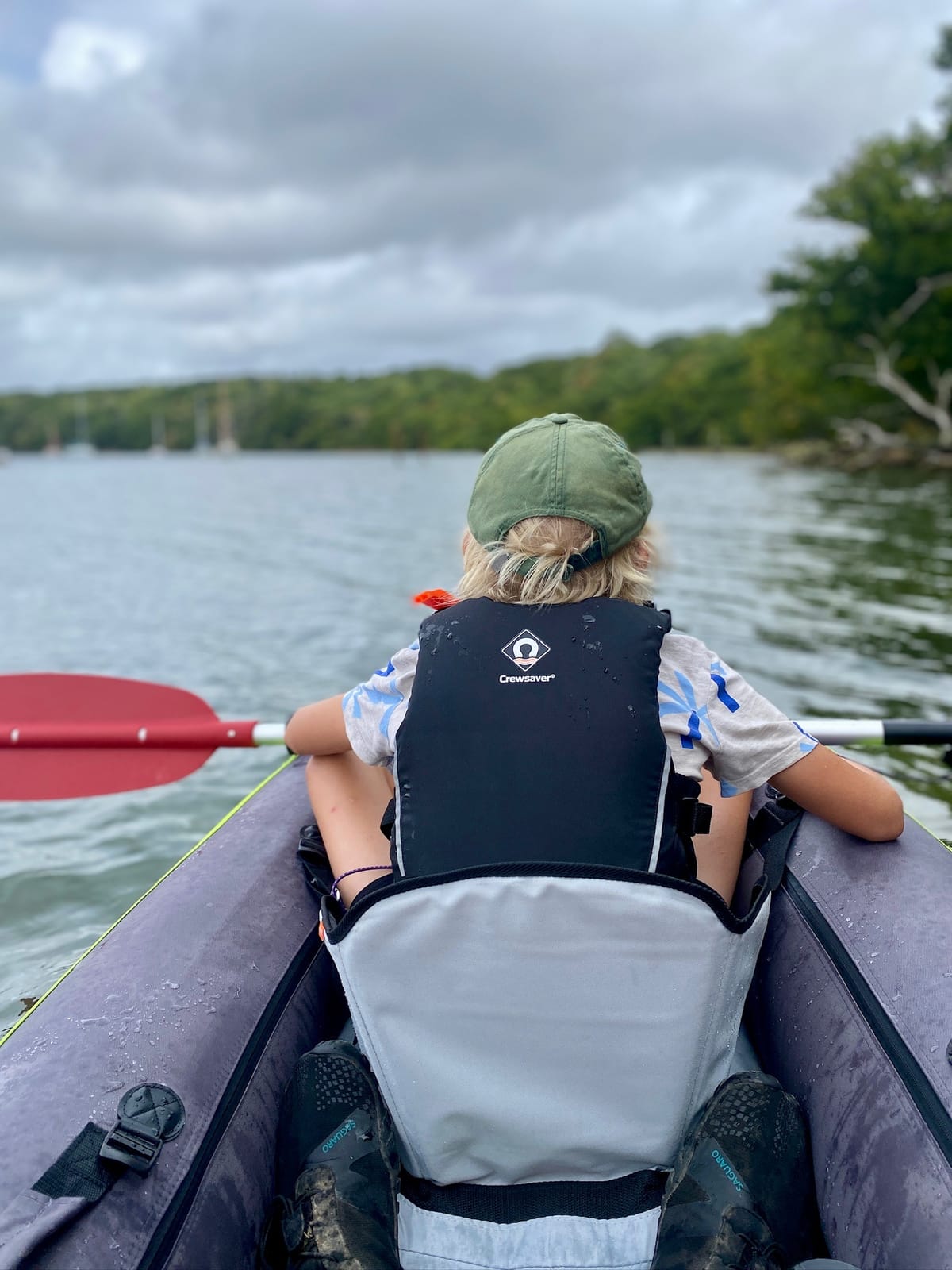
I was at scout camp last week and one of the leaders brought their inflatable kayak. A couple of the volunteer leaders now have their own watercraft and one of them was kind enough to offer me use of it. After brief consideration I started planning a simple trip for me and my son.
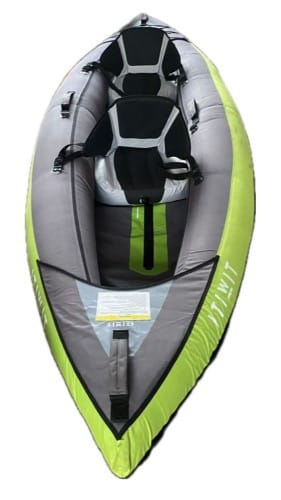
I hoped to make up for my lack of experience and confidence by thoroughly researching. I downloaded the manual for the kayak that I was borrowing so that I knew how to assemble, inflate and pack it away. I did an internet search of local spots and focused in on one river which I felt might be fairly sheltered and friendly to a beginner. I looked up a harbour: their slipway fees and parking. Using google, I checked maps and satellite images. I also found a YouTube video of the slipway and learned that at high tide, the floating pontoon does not quite reach the shore.
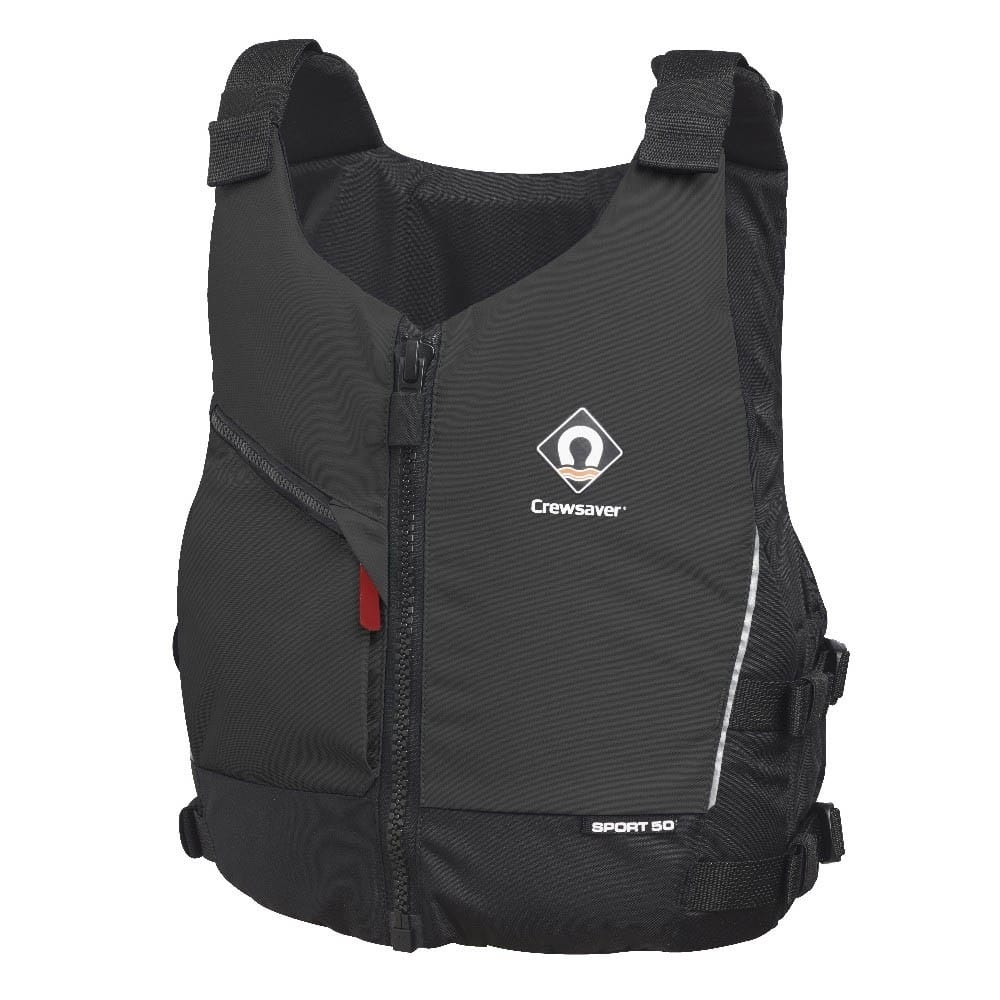
There were few a things that I felt, we would need to buy for this trip. I knew that the kayak was taken care of and that I could borrow a buoyancy aid for myself. I wanted a buoyancy aid for my son and thought buying one would make sense. He regularly sails and borrows one so having his own would be helpful. I also hoped that this trip would be a success and that someday we might acquire our own kayak or paddle board. We found a Crewsaver vest. I like to buy UK made products whenever possible and Crewsaver are based nearby in the south of England.
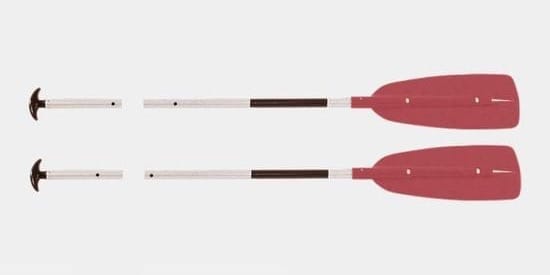
I picked up a tow line and also a new dry bag. I found a deal on a paddle which could be converted from a two headed kayak paddle to two individual canoe paddles.
I figured belt and braces for my first kayaking venture. You can‘t be over prepared right? Especially when taking children along. So I made up some paddle leashes with some bungee cord, a few clips and some velcro straps. I tied a whistle to the junior buoyancy aid and packed a few essentials into dry bags.
In my bigger dry bag, I packed jumpers and waterproof jackets, a first aid kit and some snacks. In my new, 2 litre dry bag I stashed my car keys, wallet, phone, a little survival kit and head torch as well as throwing in a few glowsticks.
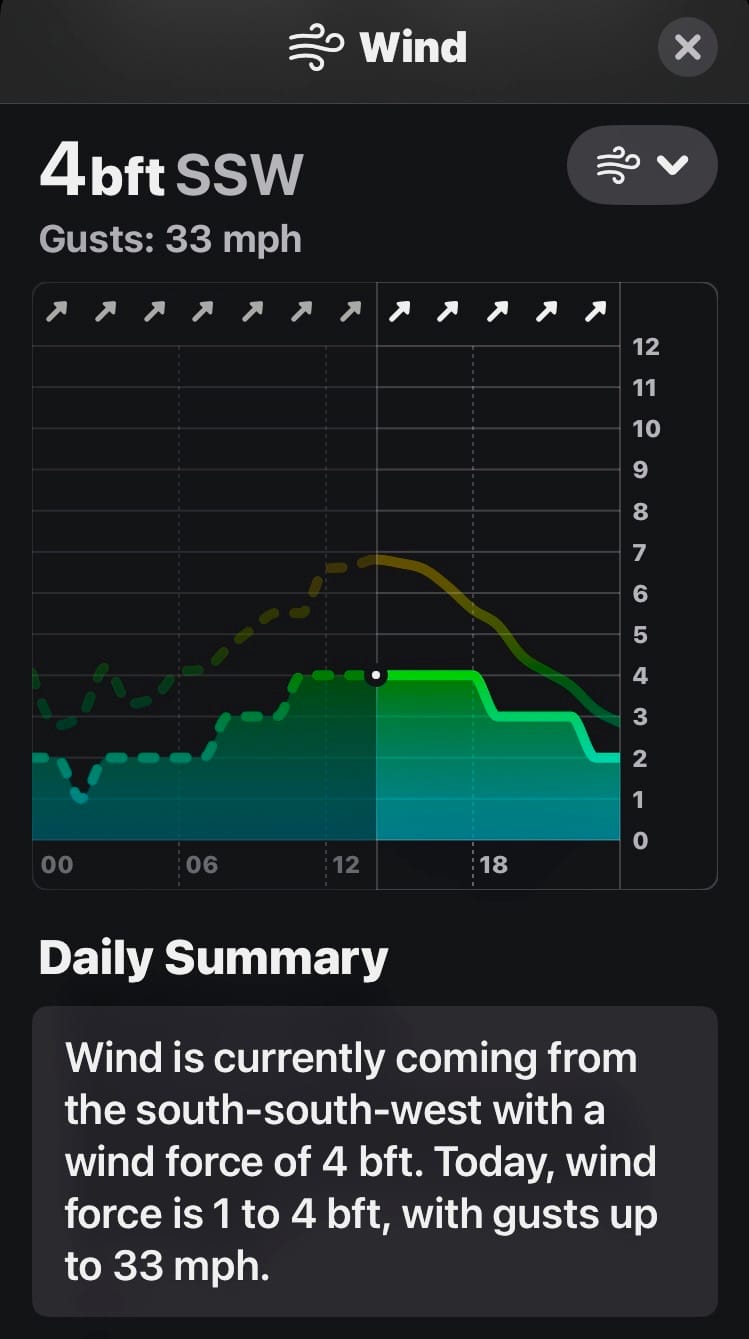
The weather looked a little unpredictable. Rain was due most of the afternoon, warm but not sunny or hot, and the wind was showing as force 4 on the Beaufort scale. Generally, we are usually advised to avoid anything at force 4 and above. This is said to be the border between beginners and intermediate paddlers.
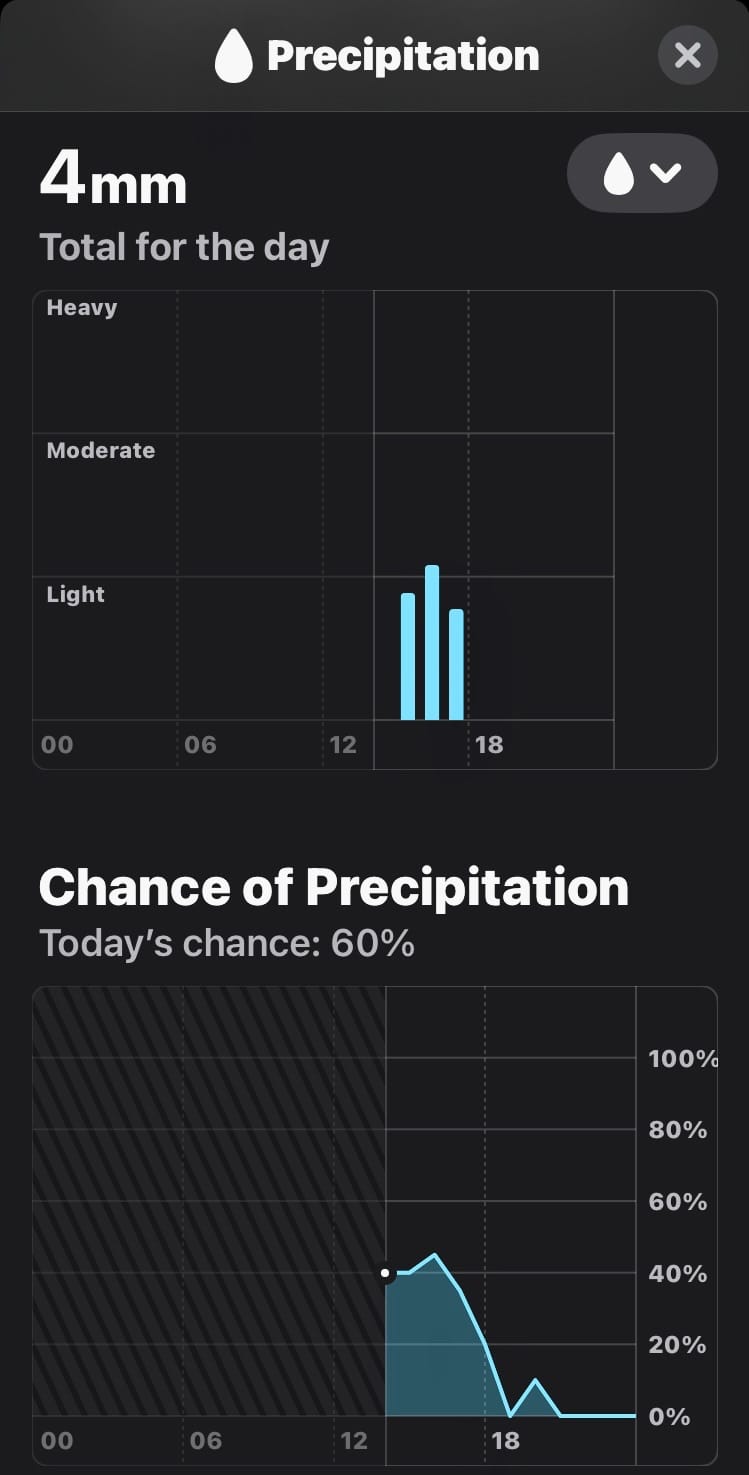
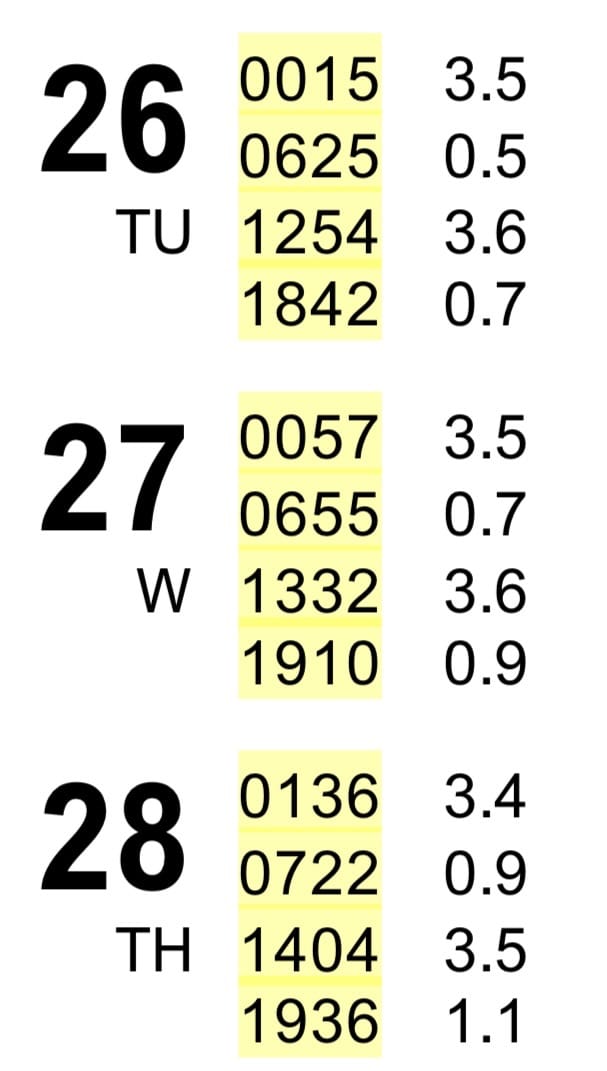
I had booked a launch slot from mid day, Tide times showed the next high tide at 13:32 with the next low tide coming just less than 6 hours later. I figured that we would have time to paddle a little way up the river with the rising tide and kthen probably turn about and return as the tide ebbed.
Being unfamiliar with the launch process and this slipway, my first job on arrival was to check out the space: where would be best to inflate our kayak and how far would we need to carry it to the slipway. We inflated and assembled our craft between our parked car and a nieghbouring vehicle. Carrying it to the slipway was a little challenging and I ended up sitting it on my shoulders as you would sit the yoke of a canoe. Isaac carried the paddles and dry bag.
It was easy on the slipway to lower the kayak into the water aside the floating pontoon and to tether the paddles and drybags in place. We adjusted the seats and swung ourselves in.
Paddling out, I could feel the wind on my back and didn't want to go too far without attempting to turn and paddle against the wind. I wanted the reassurance that we would be able to get back in. Once comforted by a brief workout taking us back 50 yards or so, we found a little shelter nearer to the bank and were able to relax a little.
We proceeded further along the river and decided on a space where we felt we might be able to drift slightly and get something from our snack bag to nibble on. After all;
what’s an adventure without a snack
(This sounds like something Paddington Bear would say). Its fun to eat afloat be it on a cruise ship or bobbing in a kayak. We continued to battle with nature for a while trying to stay far enough from the bank so as not to bottom and also close enough to avoid the deeper channel and the push and pull of the tide and wind.
After probably an hour on the water, we headed back. I didn’t want to push it on our first kayaking outing. We paddled against the wind to get in alongside the moored vessels and pull up back beside the pontoon. We clambered out and started gathering the boat up and out of the water when Isaac pondered “er Daddy, how do we get back” I looked up and questioned for a better understanding as he explained that the pontoon no longer connects to dry land.
It’s true, I had found out that this happens from the YouTube video but didn’t expect the tide to come in any more once we had launched. (This was down to my confusion with the tide times). So we slipped the kayak back in slumped across it and pushed off to beach on the shore.
All in all, this was a very successful kayaking adventure and I have learnt a lot about planning and preparation as well as acquiring resources to make it easier next time. Watch this space…
Below are a few resources that I referenced preparing for this trip.





This is the website for the Yacht Harbour at Buckler’s Hard. It has tide tables for the Beaulieu river but be aware, the times are shown relative to GMT and not BST like the other websites above. I also used this site to book a launch slot from the harbour slipway (floating dock).
Thanks
J. for loan of your kayak and the encouragement you gave us just by having a kayak with the intention of using it.