Geocaching
The world-wide community treasure hunt! Use satellite navigation and a smart phone to locate hidden caches in towns, cities, woodland and forests. When you find one sign the log and leave a message.
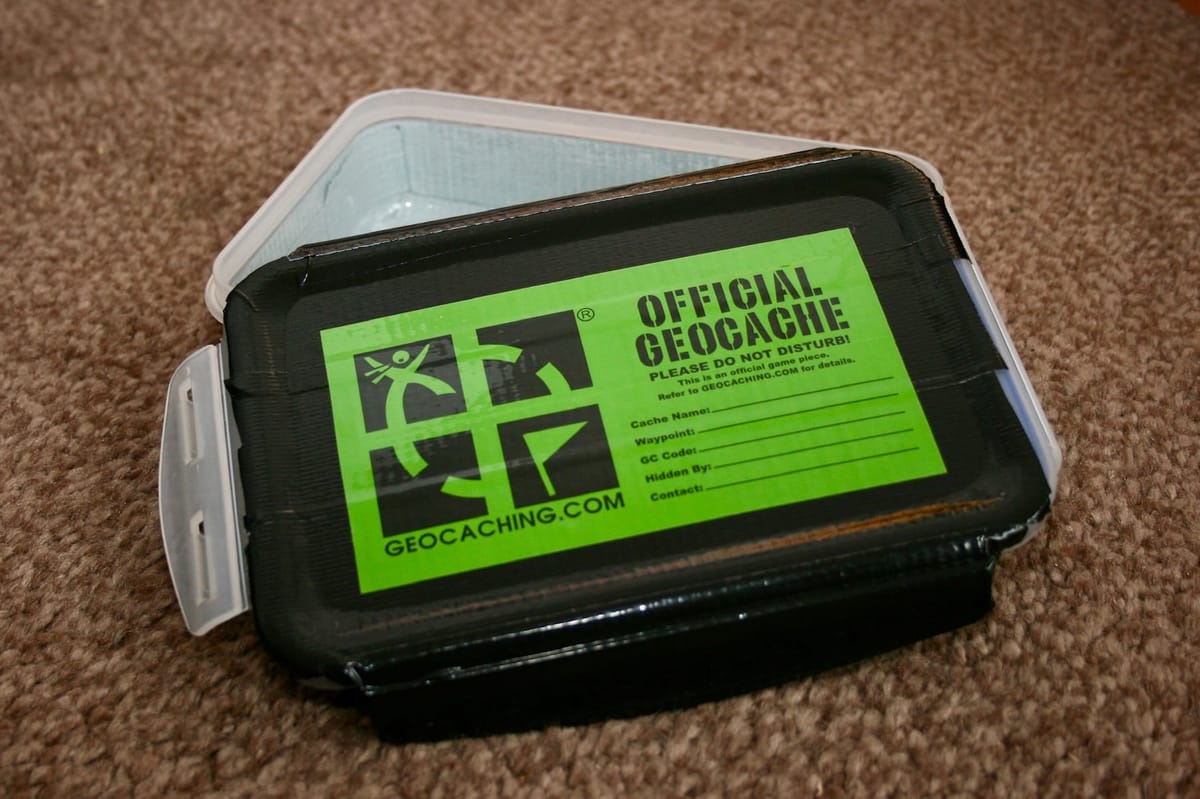
This modern day treasure hunt combines the health benefits of exercise and being outdoors with the lure of technology to create an exciting problem-solving game for all the family.
Blue switch Day
Prior to the year 2000, Global Positioning Satelites were most useful for military purposes. This was mainly because public utilisation was restricted. The US government degraded the accuracy of GPS signals meaning that you could probably locate a shopping mall or football pitch but nothing smaller.
This was until 2nd May 2000. Known as blue switch day, this was when the ‘selective availability’ restriction was turned off and all of a sudden public GPS devices were much more accurate to within a few meters.
The next day a guy in Oregon, Dave Ulmer, had the idea to hide a black bucket in the woods and test the accuracy by sharing the location coordinates online through a news network.
Other technology enthusiasts quickly located the ‘Cache’ and hence ‘Geocaching’ was born.
My first experience of Geocaching in 2007 was clunky and complicated involving many steps from downloading coordinates, printing off maps and failing to find anything. I didn’t have a GPSR (Global Positioning Satelite Receiver) back then and so printed OS maps were the best way. Thankfully the rise of the smart phone made geocaching so much easier and more accessible leading to a boom in its popularity and the number of caches hidden world wide.
Im not sure how many caches were listed that first time we tried to locate but over the years we watched the number grow into the millions. In 2017 the number of geocaches passed 3,000,000. There are currently geocaches plotted in 191. countries across all seven continents. There is even a geocache placed on the international space station (GC1BE91).
When I tried the free geocaching app for the iPhone after they integrated GPS into the product I was excited. Geocaching became completely accessible, in my pocket wherever I could get a signal. We were off. Since then we cached extensively around our first home, have hidden a number of our own caches and undertaken various further geocaching challenges. Some by our own design and others provided by Geocching.com. Keep reading to find out about some of our most significant adventures.
Everyday of the summer
In 2012, Becky and I set ourselves a challenge to find at least one geocache every day of the school summer holidays. By time we returned to school in September, we had found and logged 90 caches over 45 days.
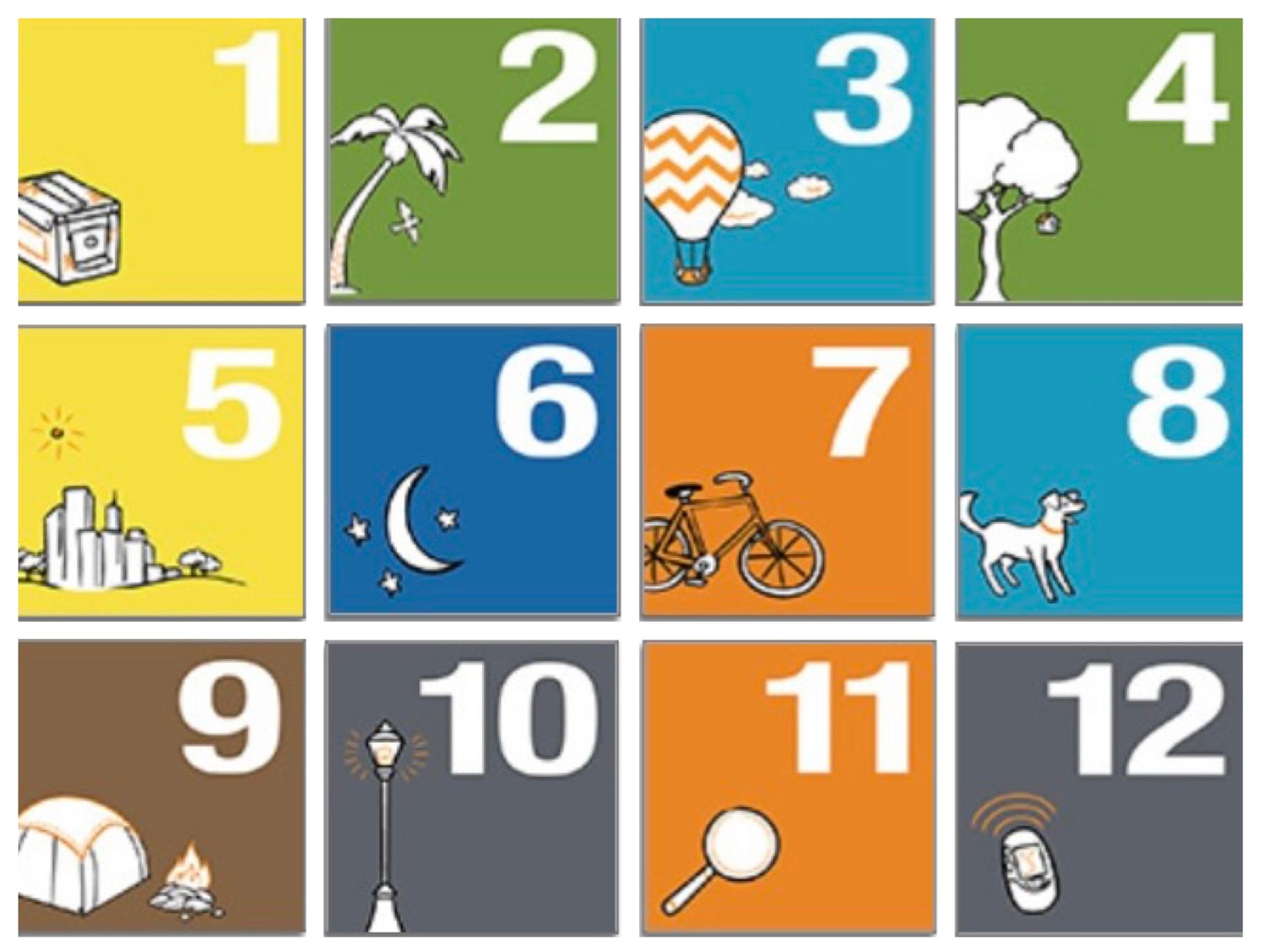
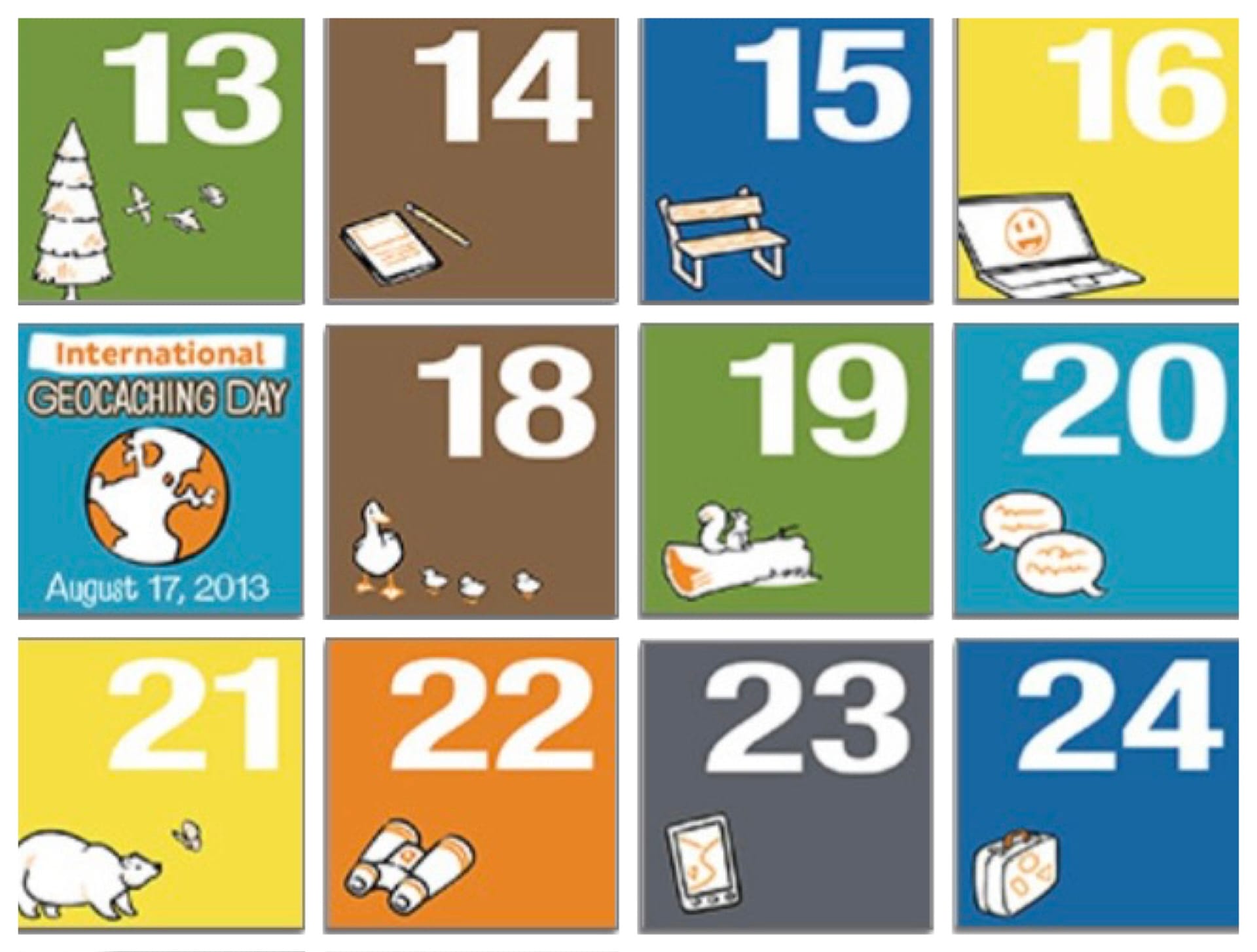
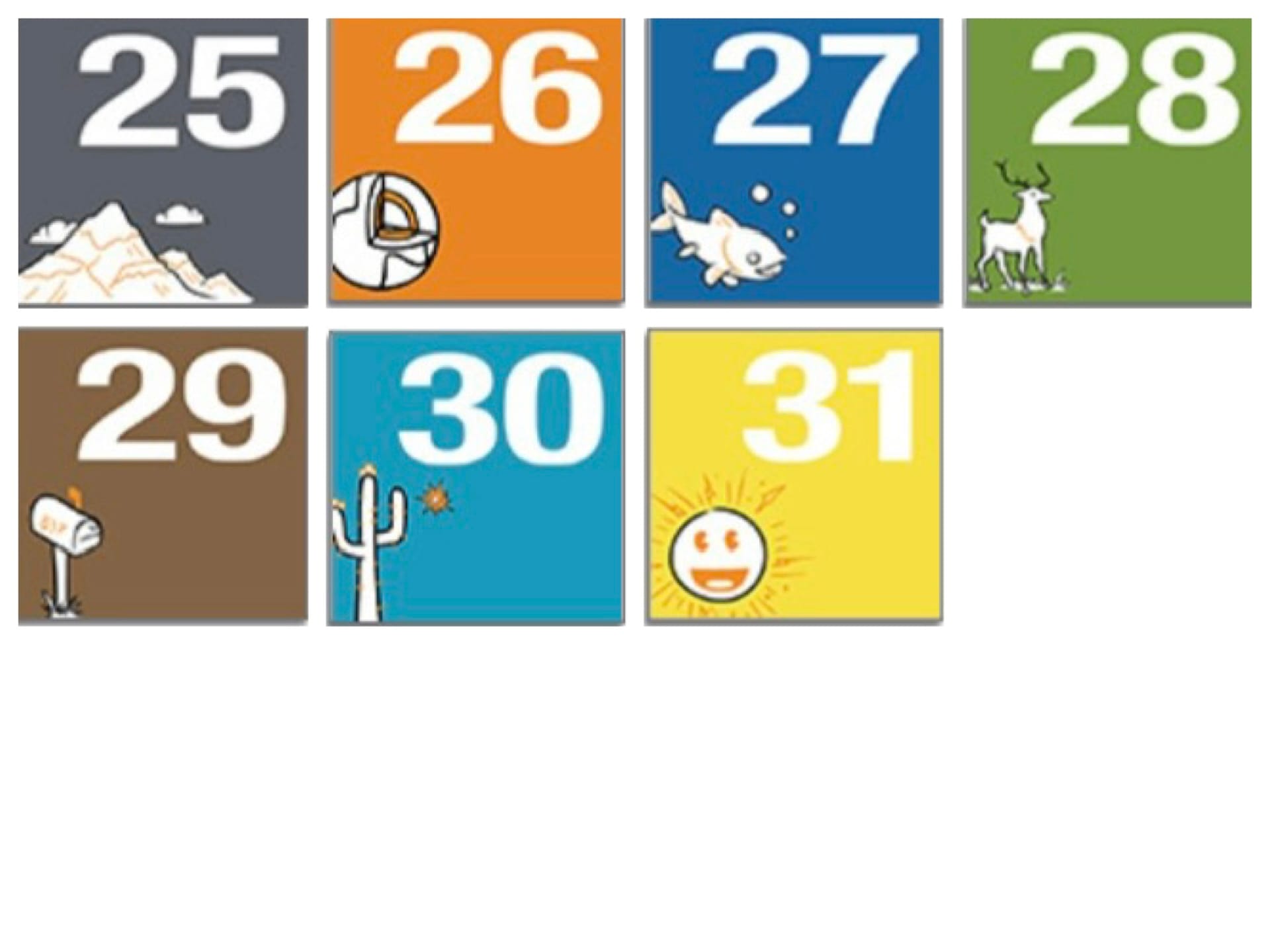
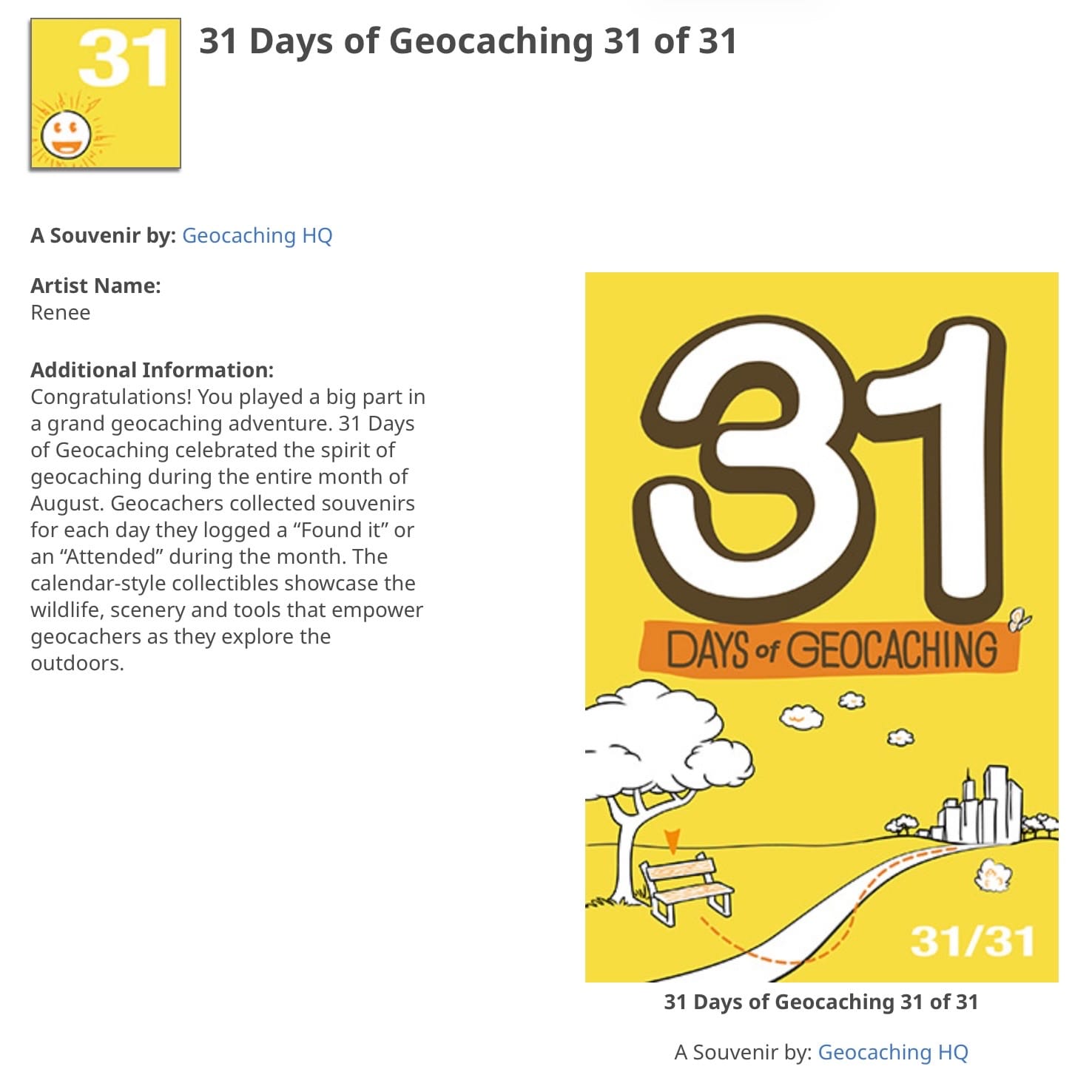
In 2013, Geocaching.com made it an official challenge to earn a souvenir every day throughout August by finding at least one cache each day. Below shows the resulting digital souvenirs of our 2013 summer.
100 Geocaches
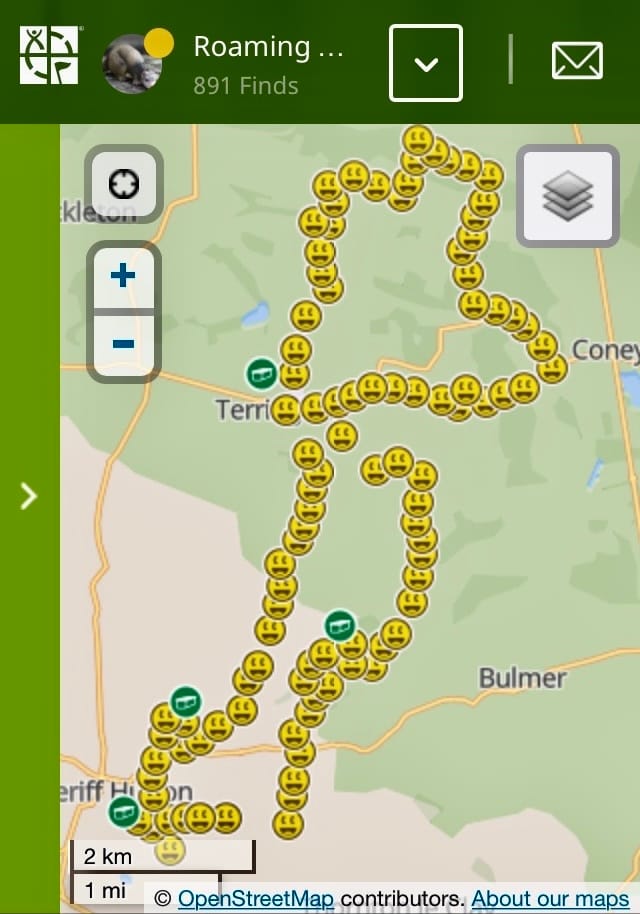
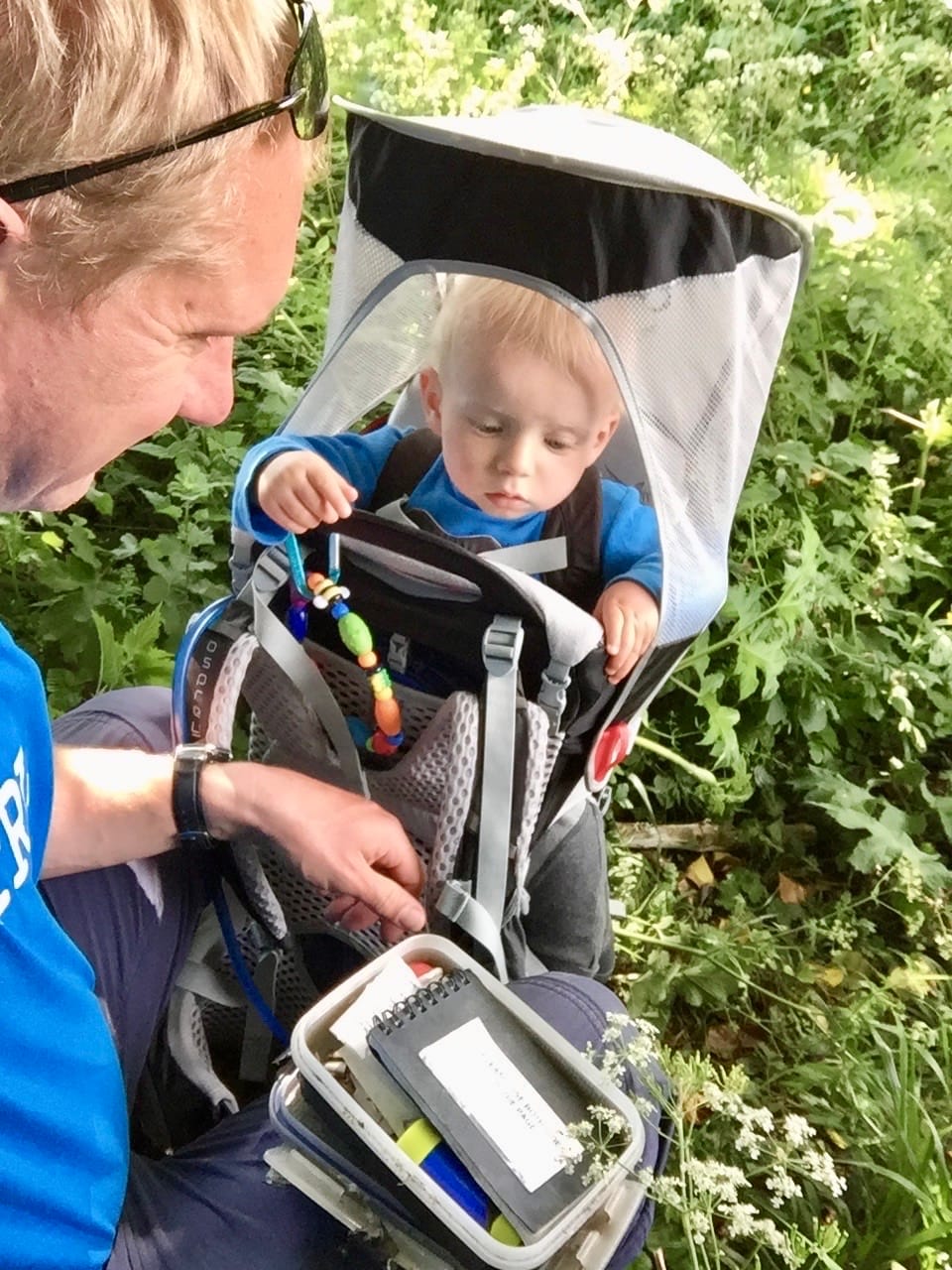
One of our greatest geocaching achievements has to have been over two days in 2017. Isaac was turning 1 and we were camping on a farm in Yorkshire. We decided to head out for a walk geocaching and found an amazing trail of 100 caches.
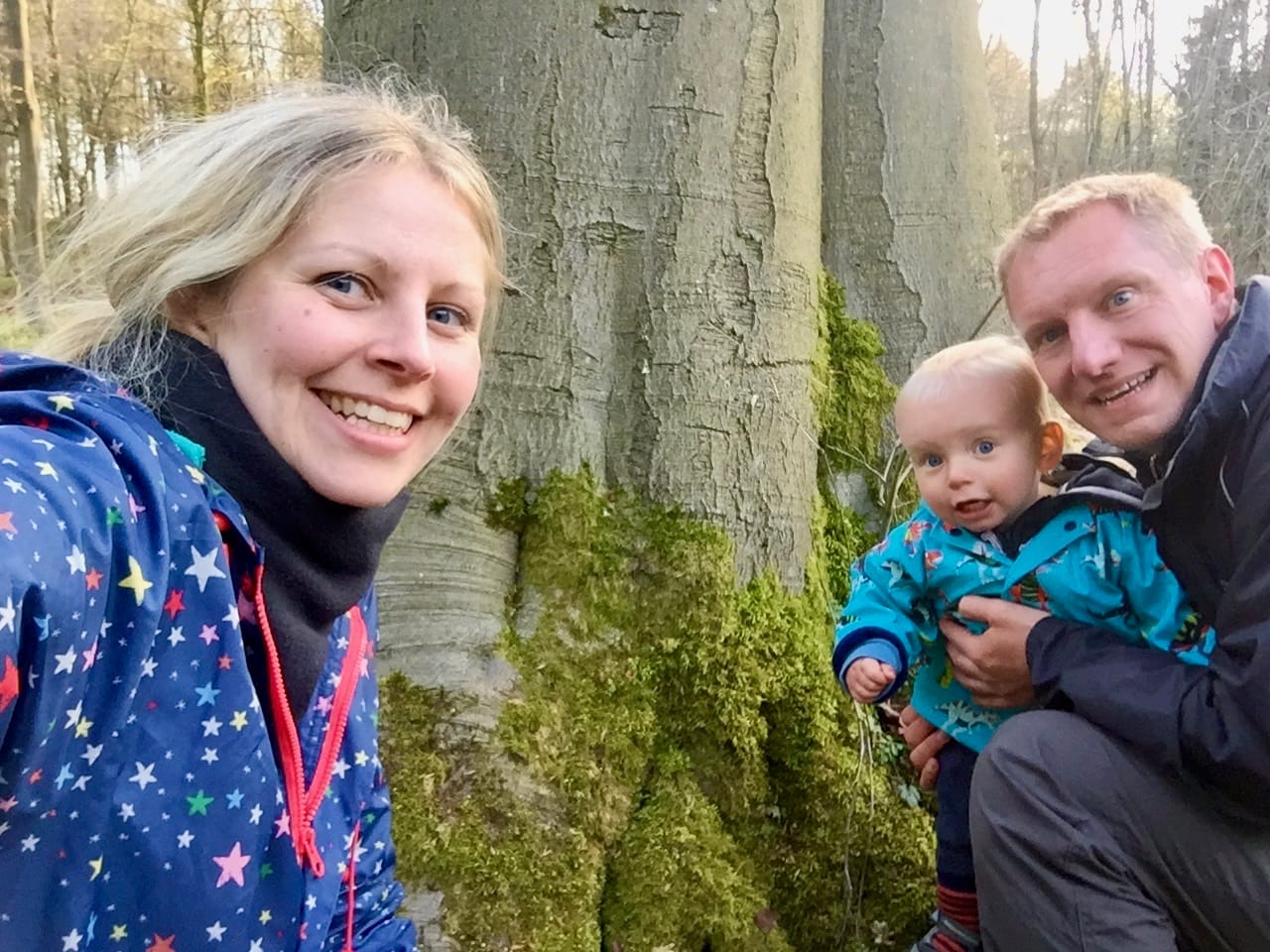
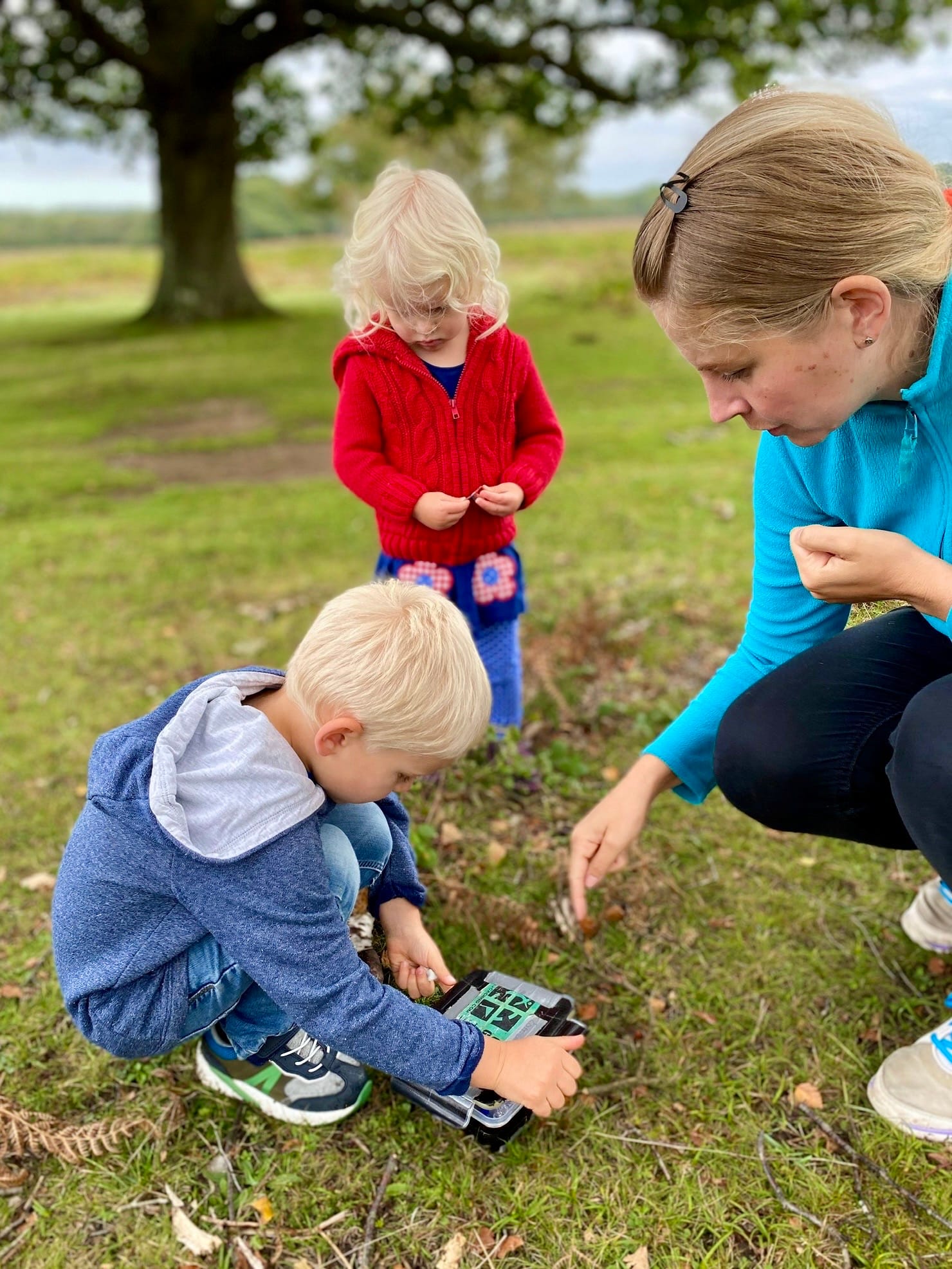
We have continued geocaching as a family.
If you would like to try Geocaching yourself…
You will need:
- A GPS device
- Access to the internet
- An account on Geocaching.com
- Patience
- A sense of adventure
- Take some swappables, especially if you have children (more on this under ‘The Trade’ below)
- And a pencil or pen might be handy
The Cache
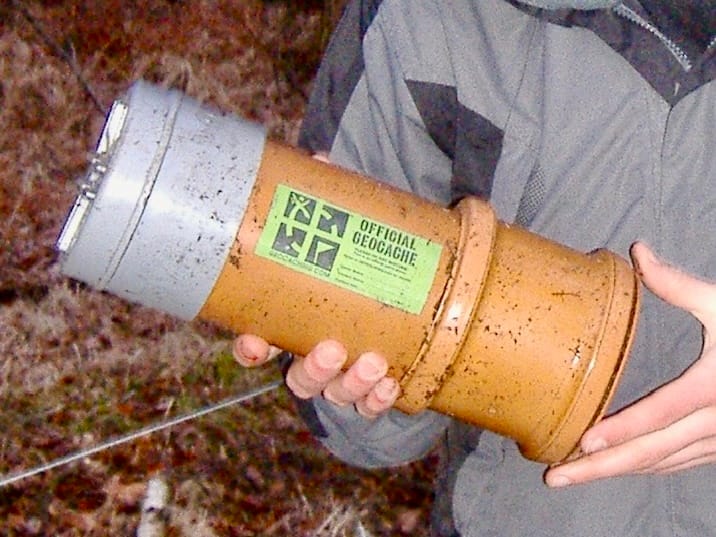
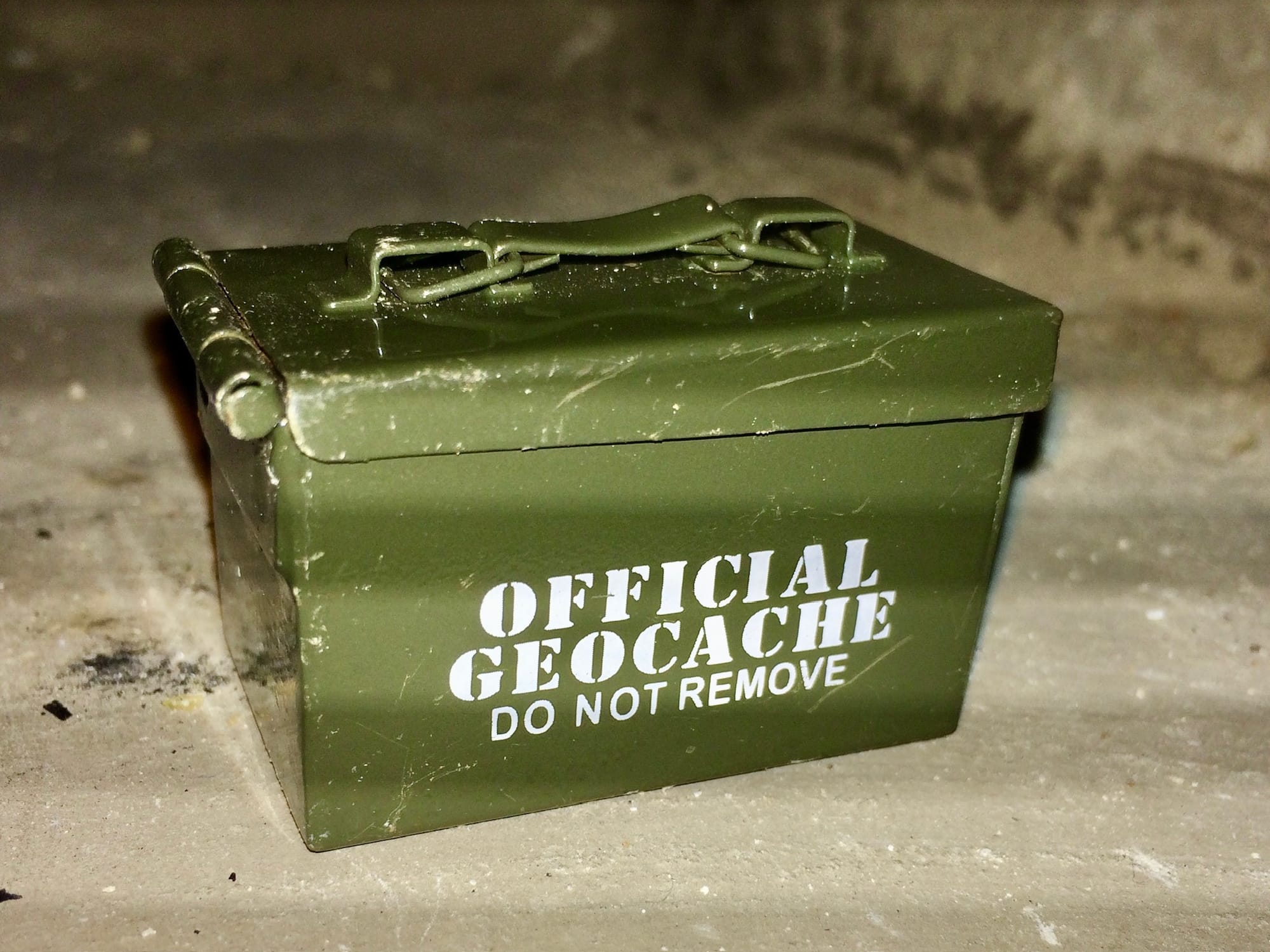
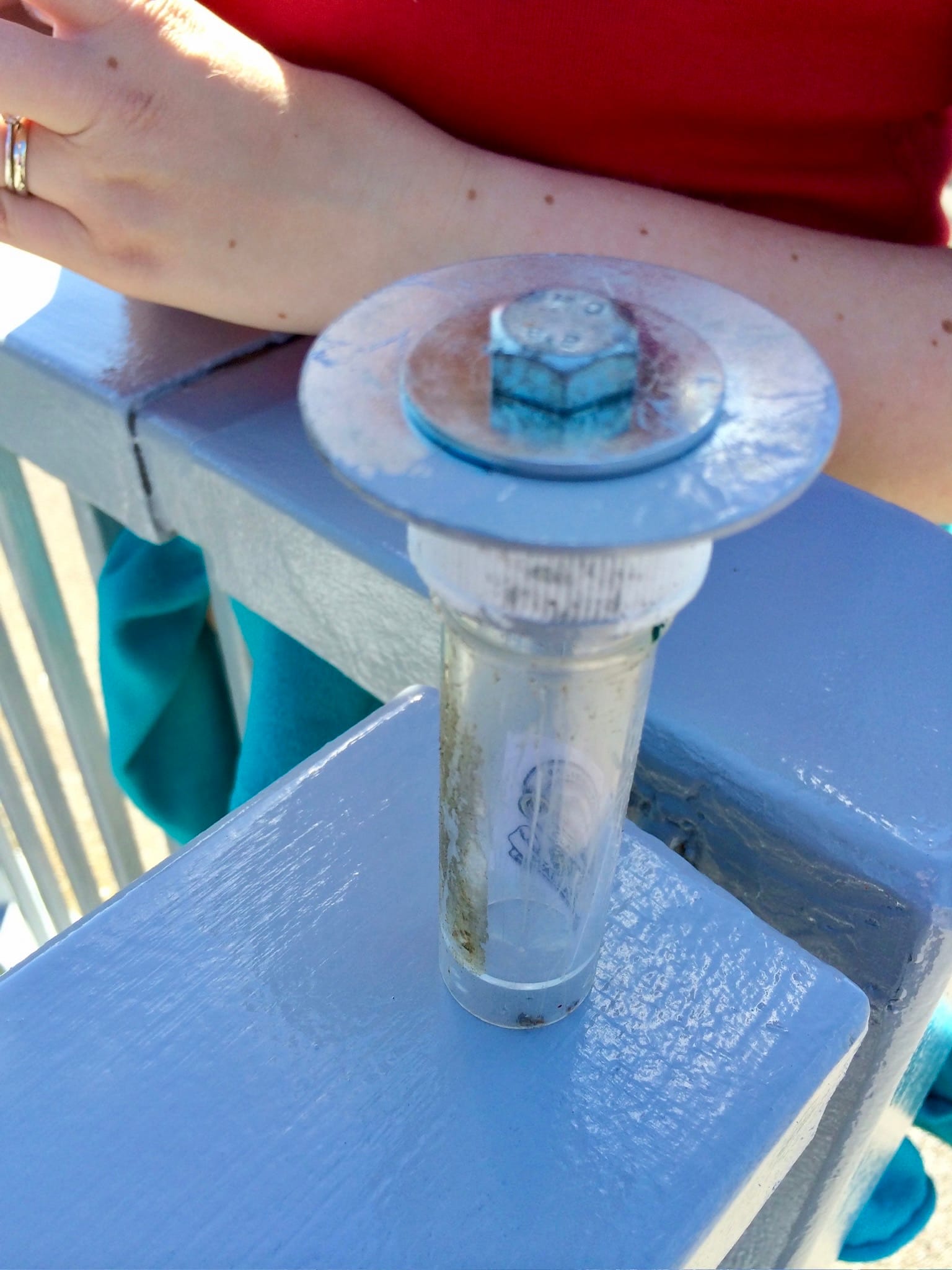
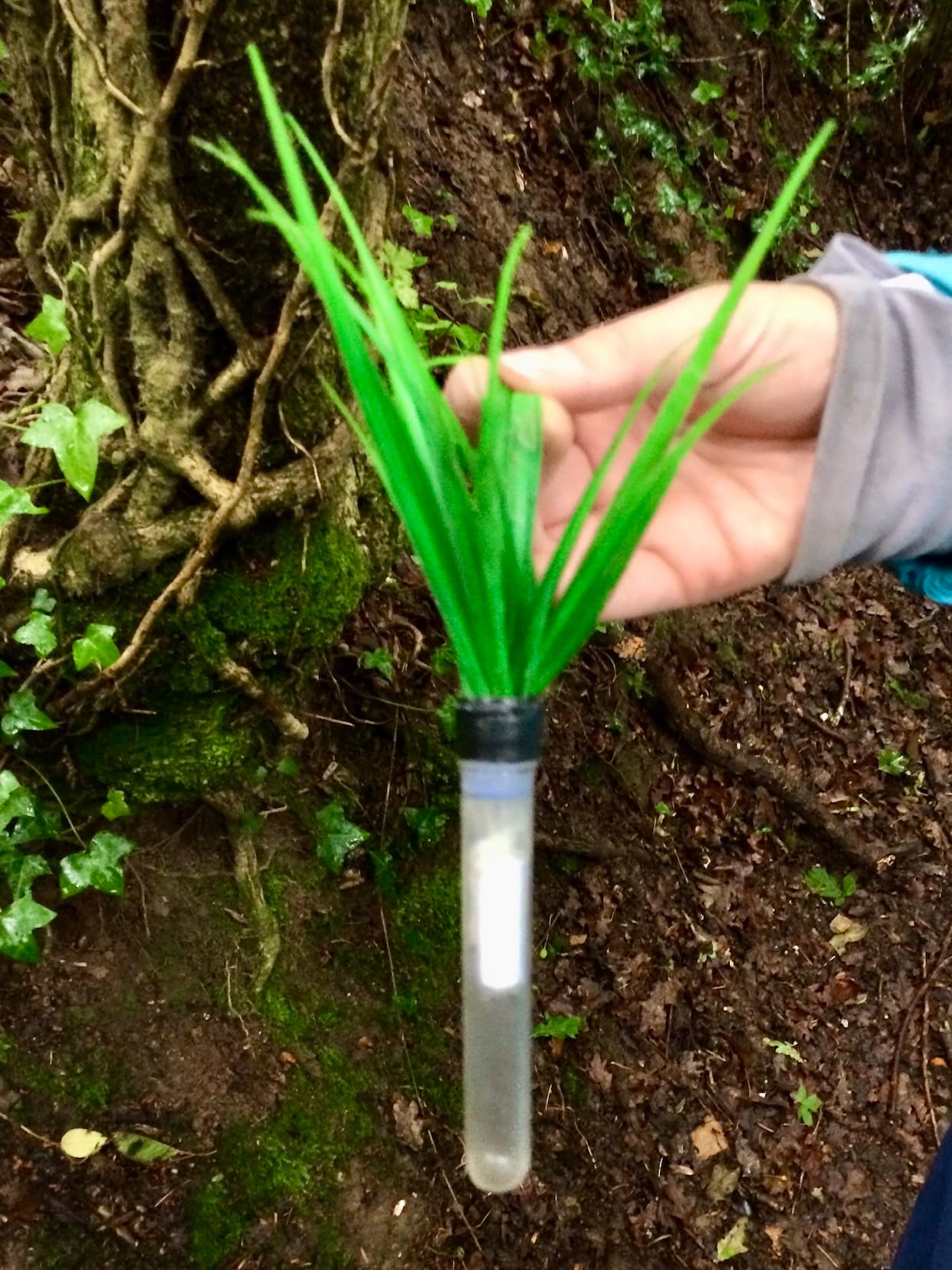
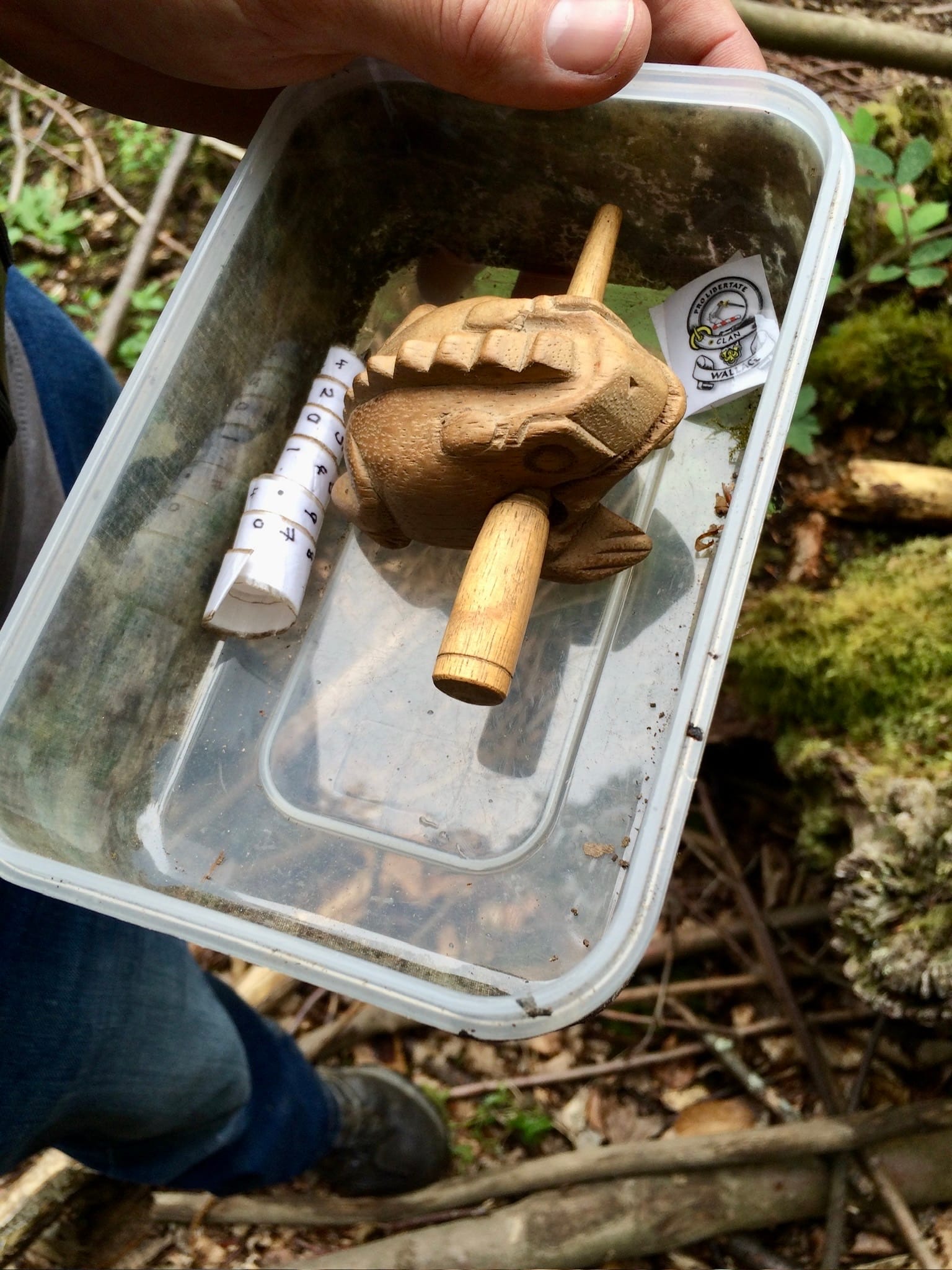
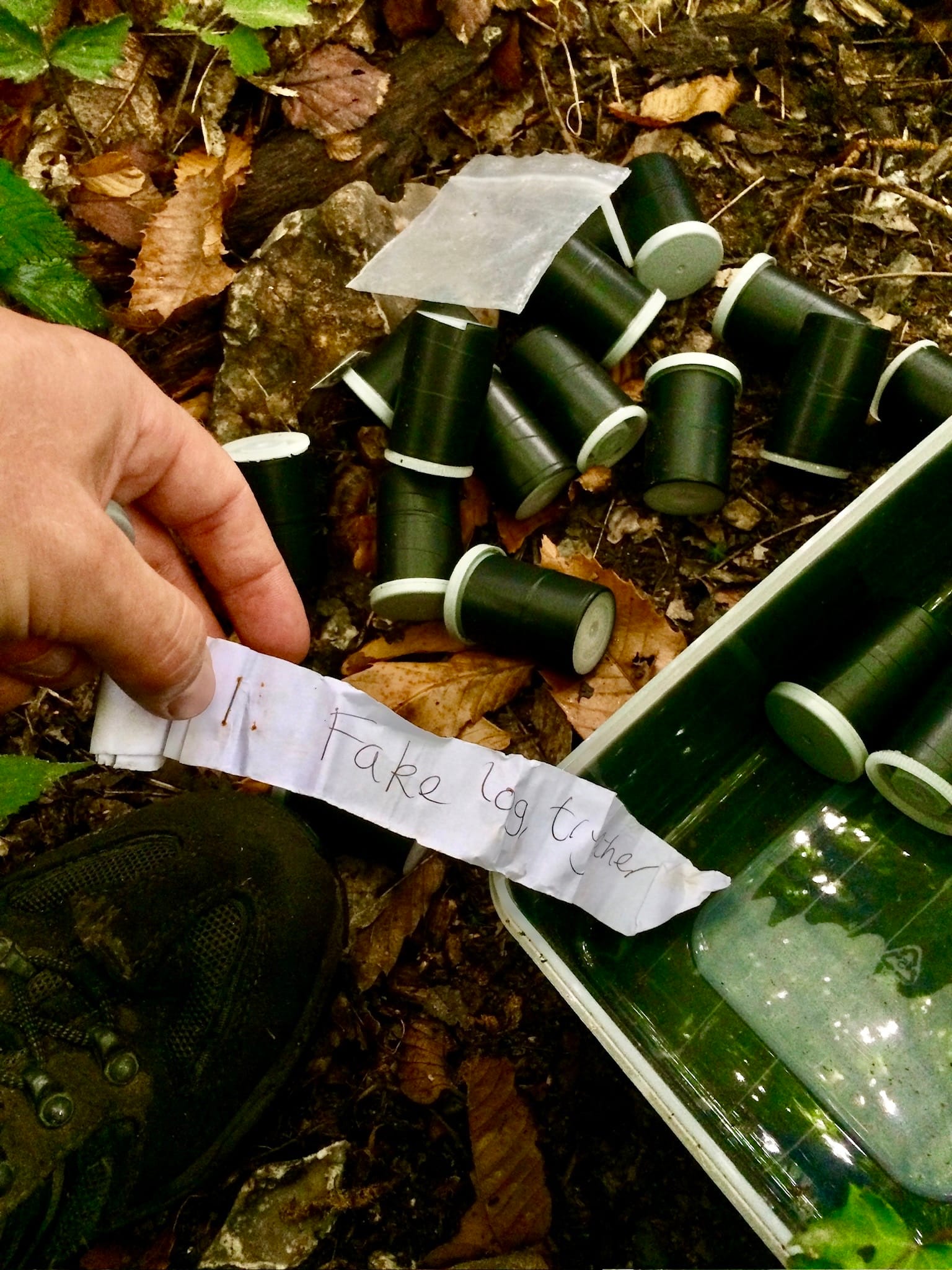
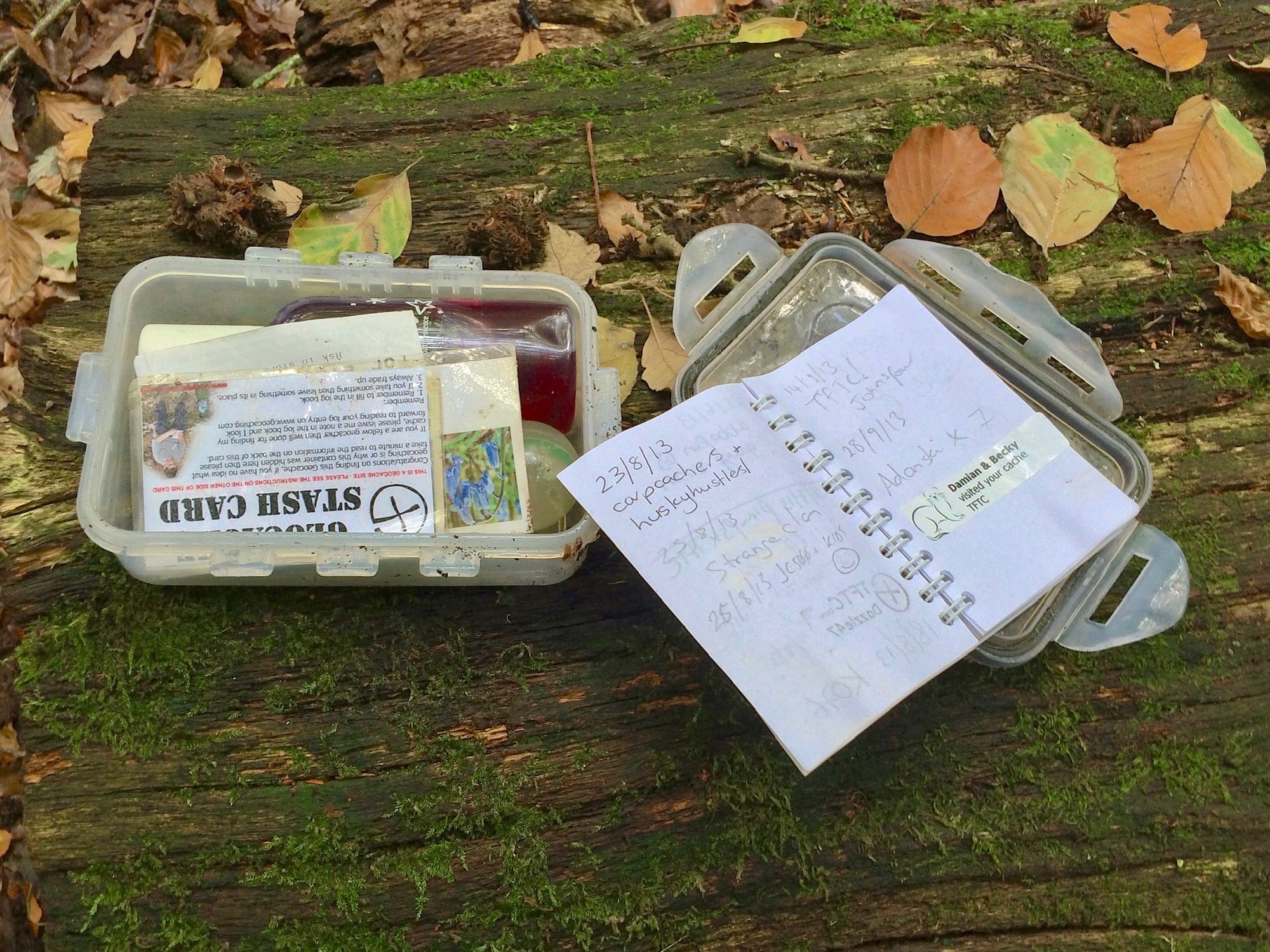
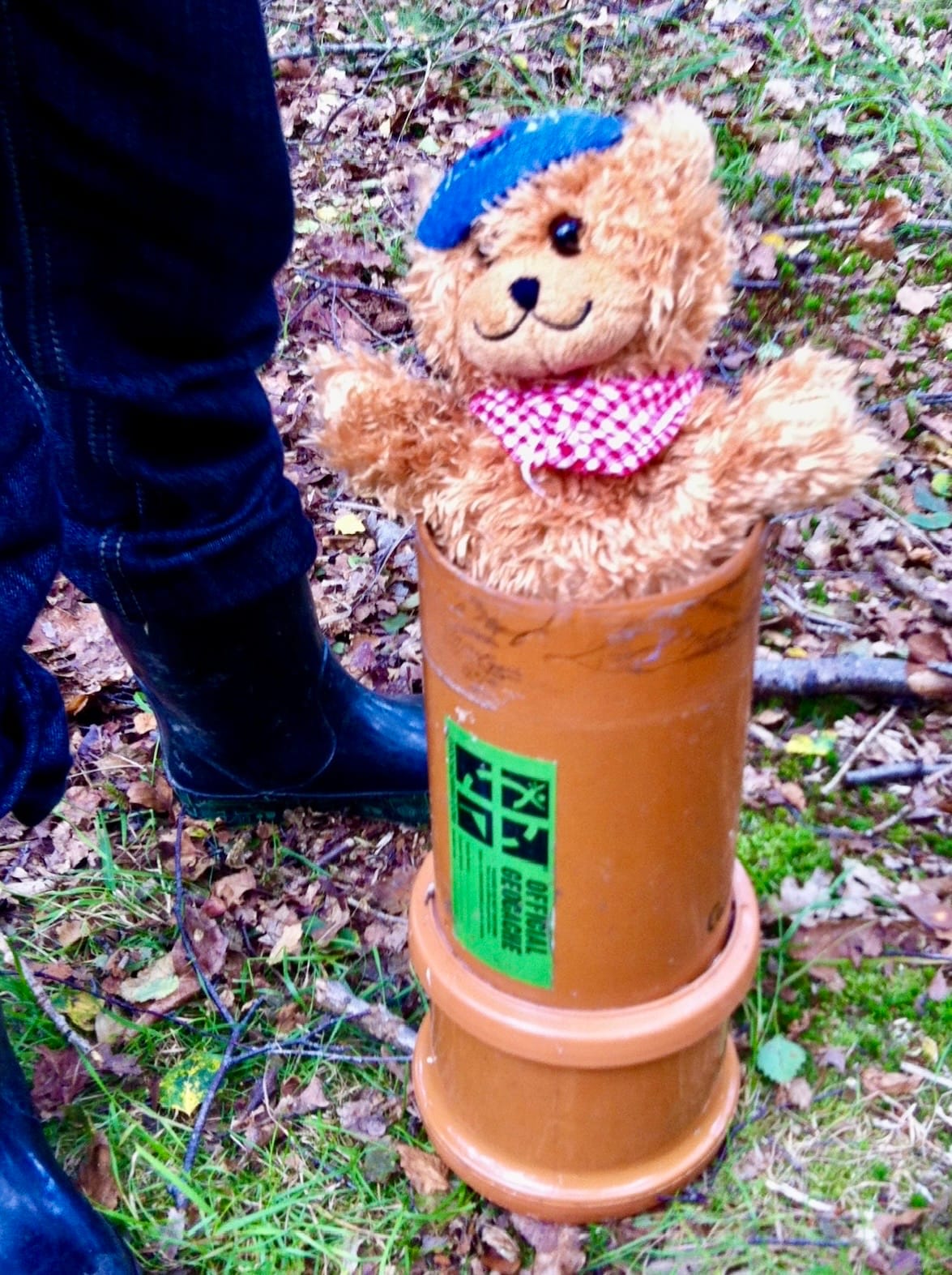
The hidden container could be any size from a micro cache (big enough only to hold a tiny rolled-up log approximately the size of a British 5 pence piece) to a cupboard. The largest cache I can remember finding was a length of soil pipe capped at either end. In fact I think this may have been our first official find. The form of the container can also vary greatly. Many are simple Tupperware, sealable plastic boxes camouflaged somehow. Other containers are more improvised and often clever in design. Some resemble rocks, pine cones, sticks, notices and engineering features.

The Hunt
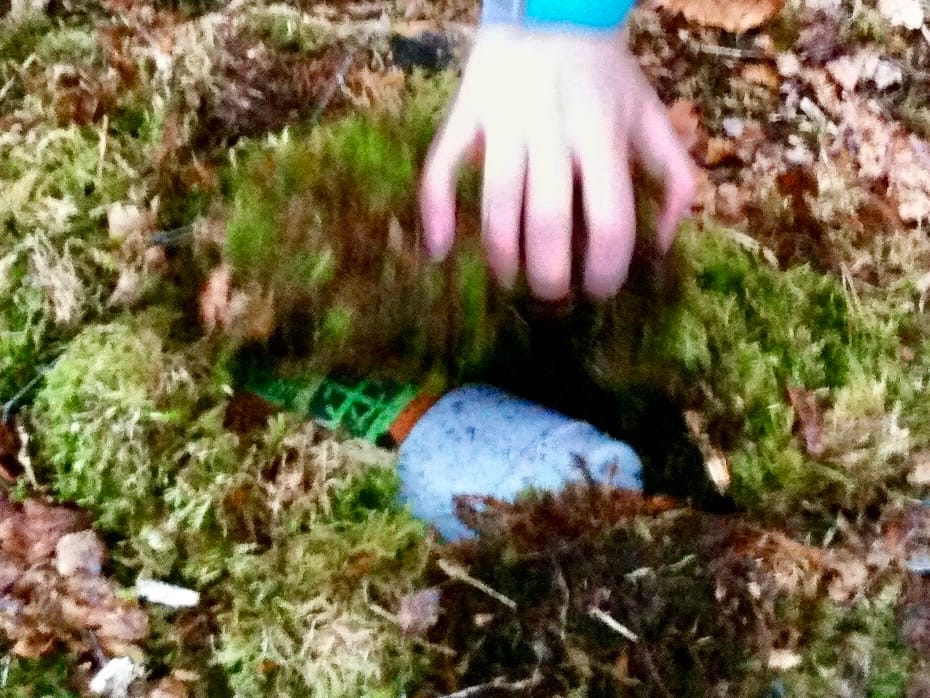
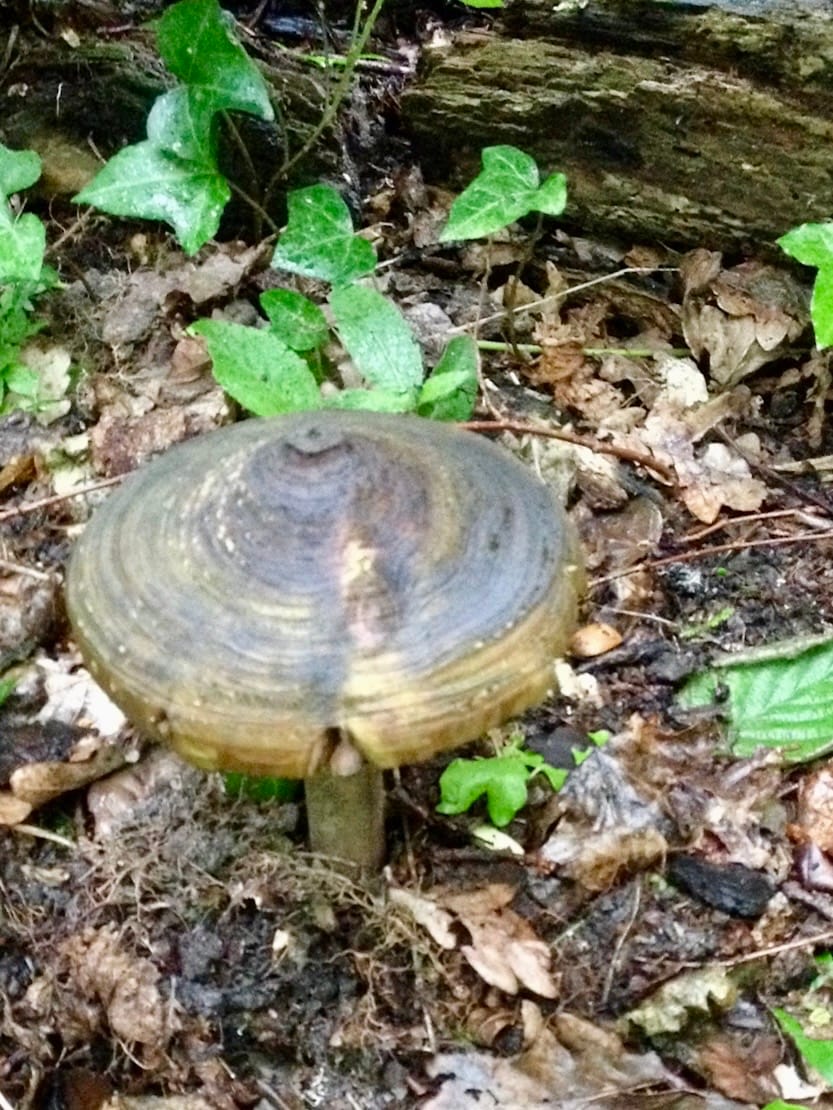
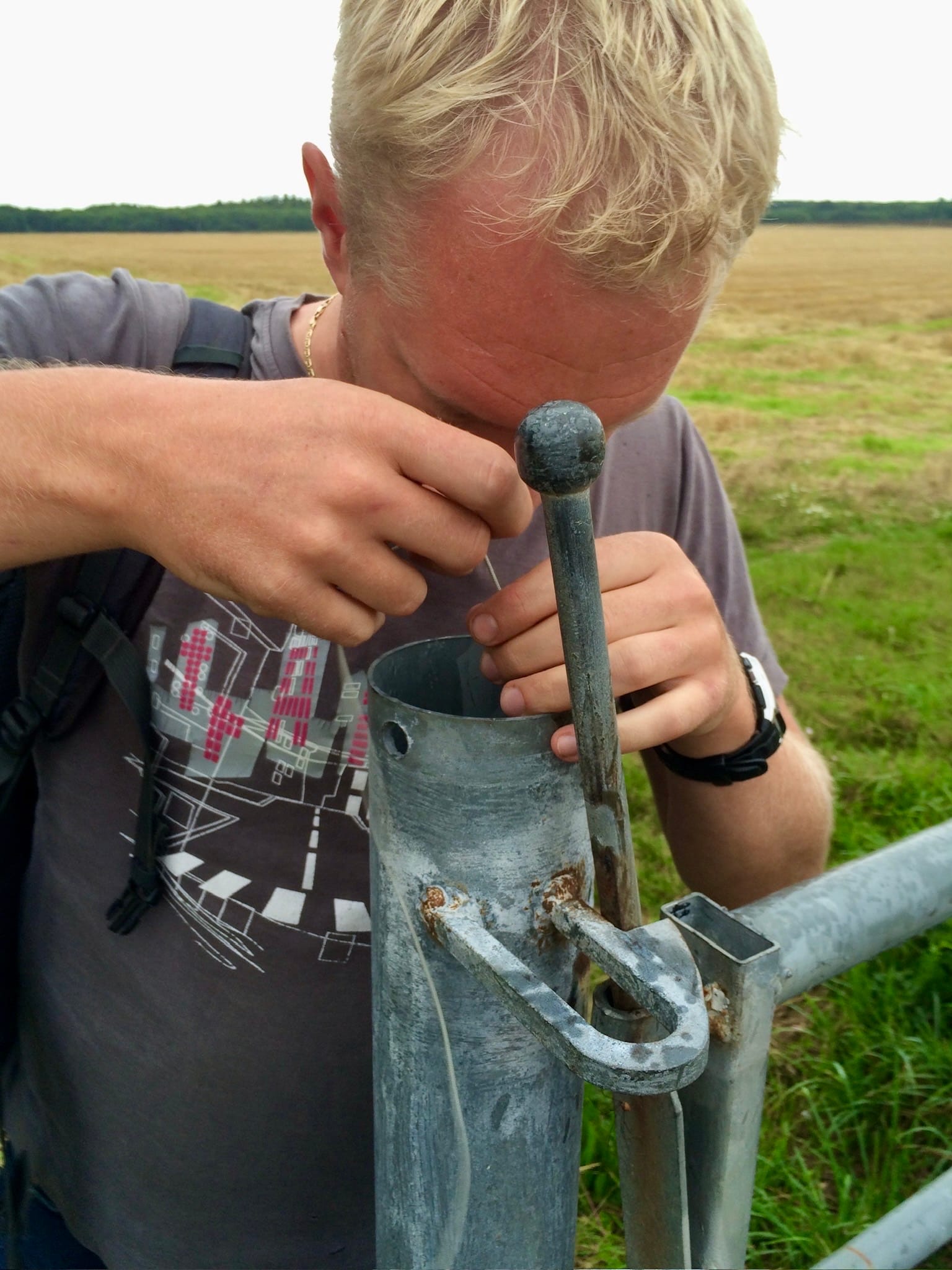
A GPS device will only get you so close to discovering a cache. Then it’s up to you. In theory, a geocache should be in plain sight. Realistically they are often inside camouflage bags, under rocks or logs or hidden in some creative manner which requires a bit more persistence and thinking outside the box. It’s all part of the fun.


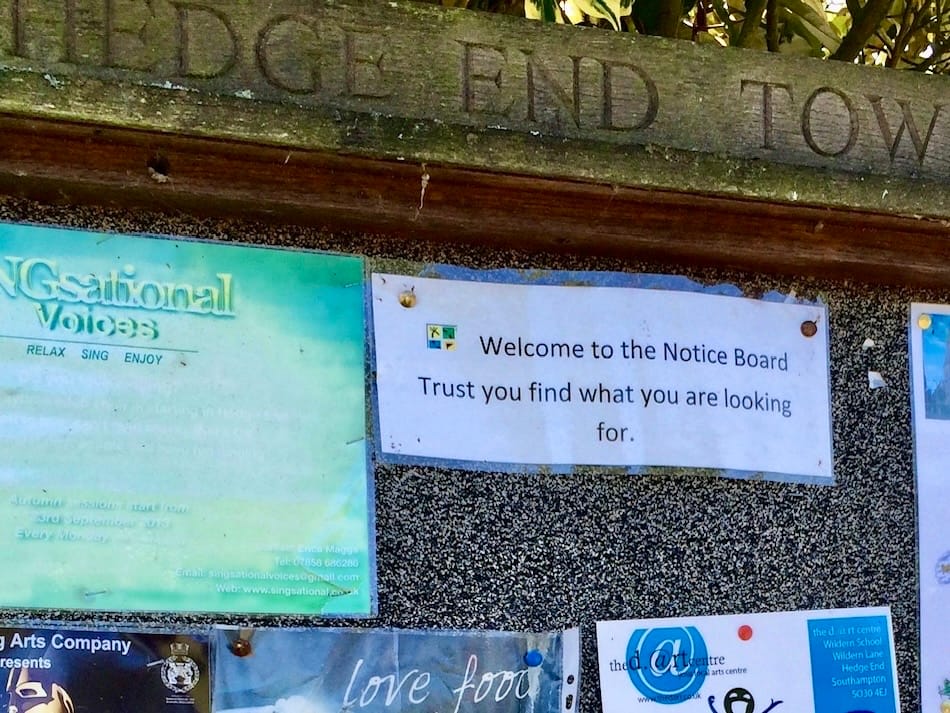
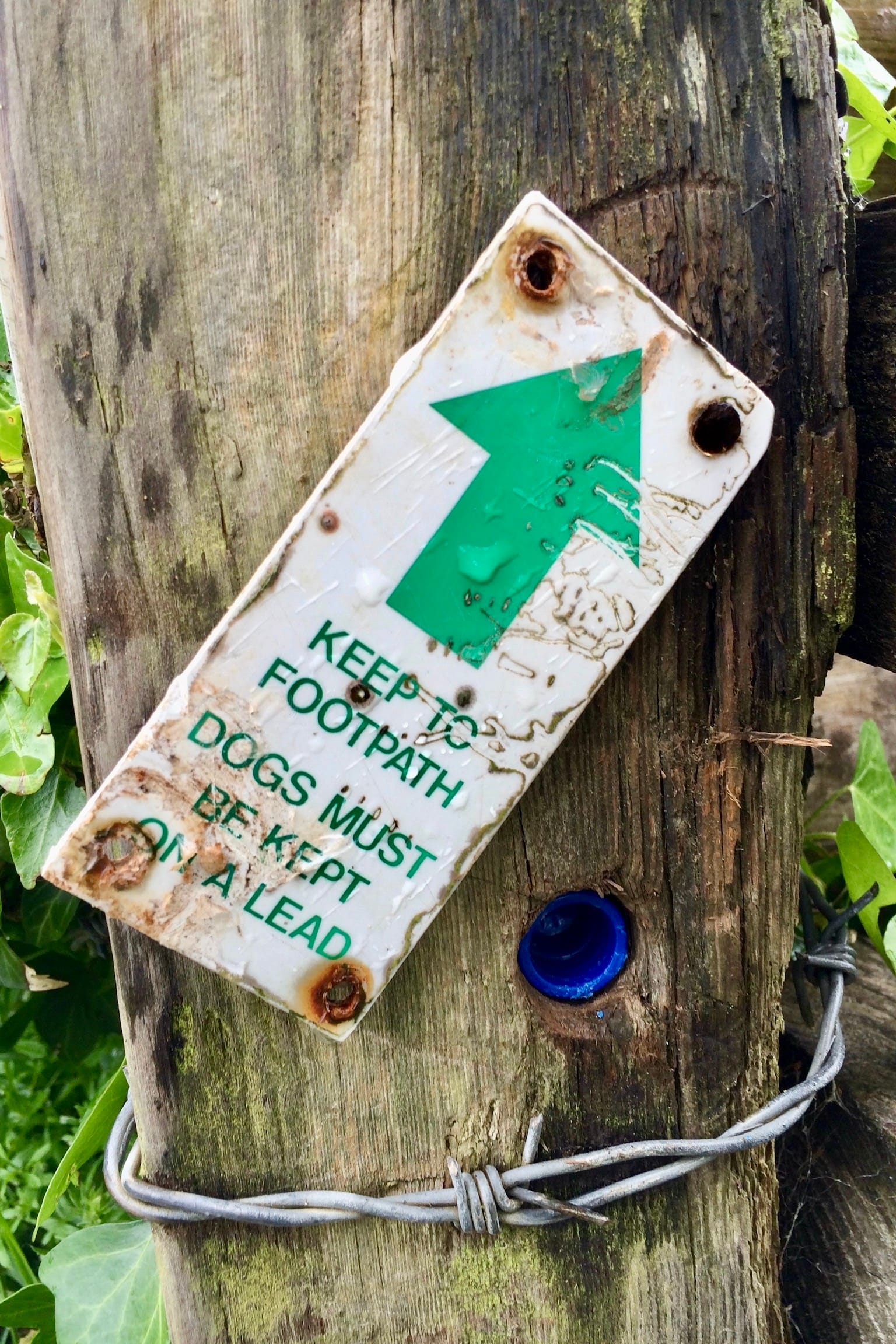
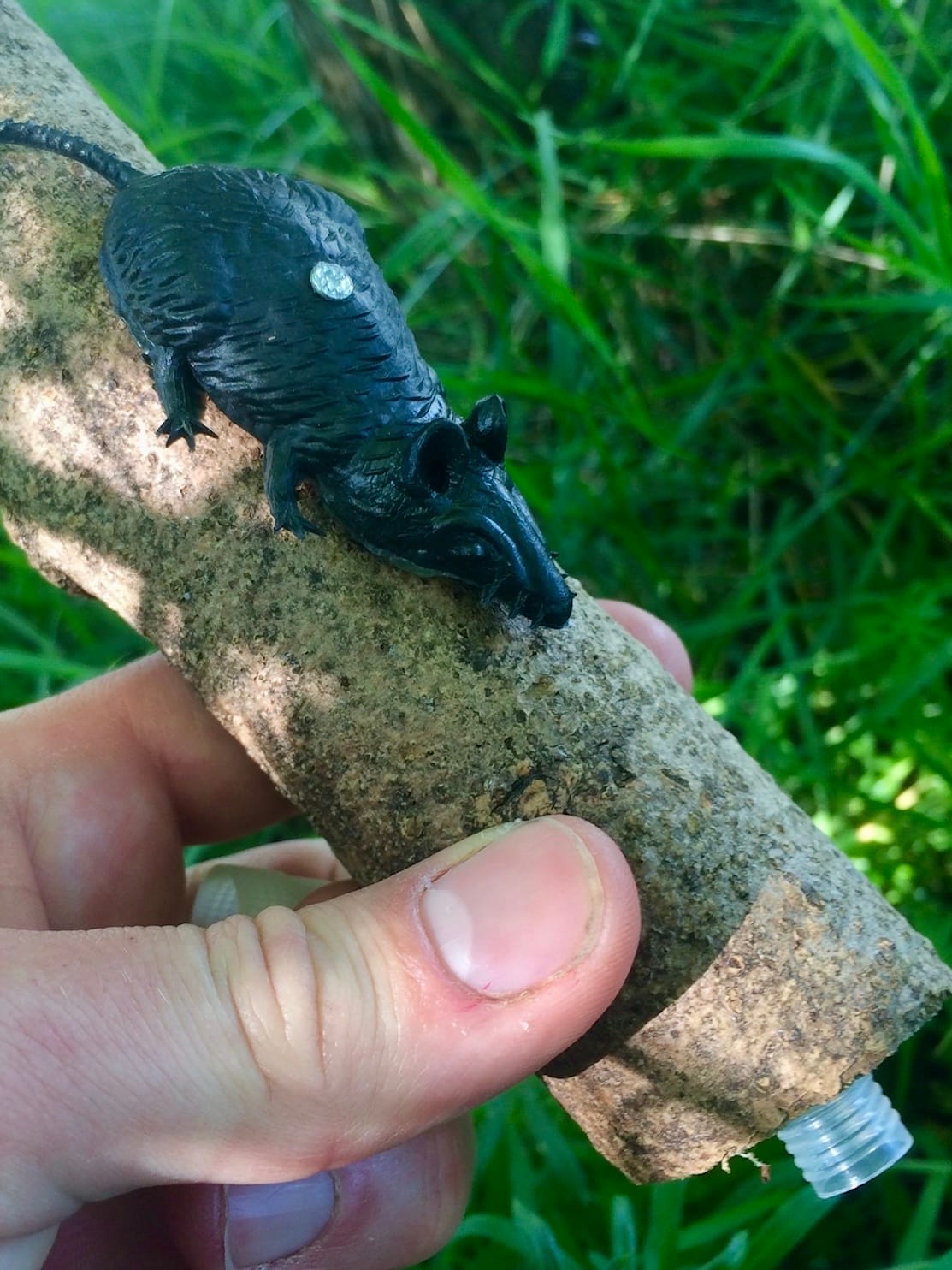
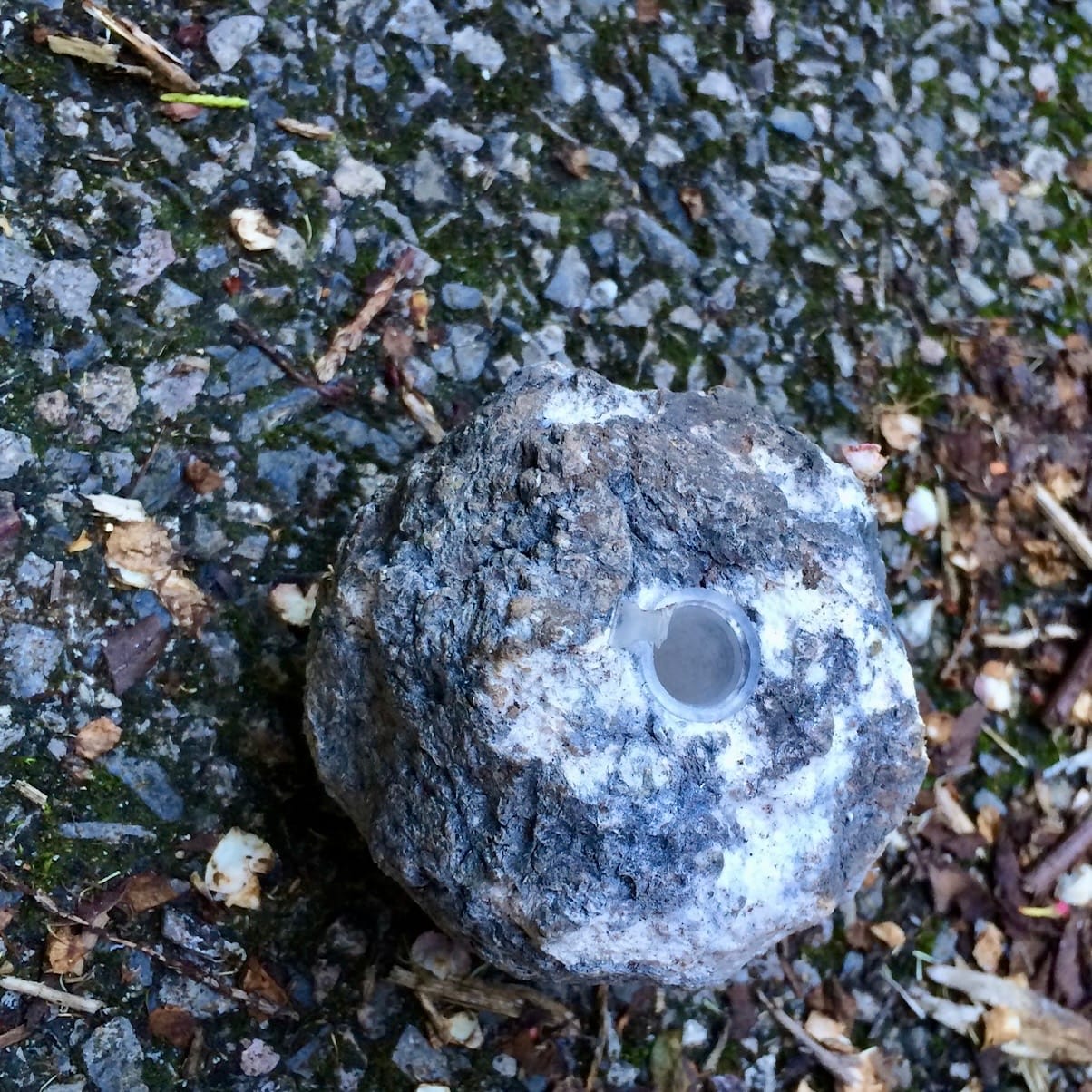
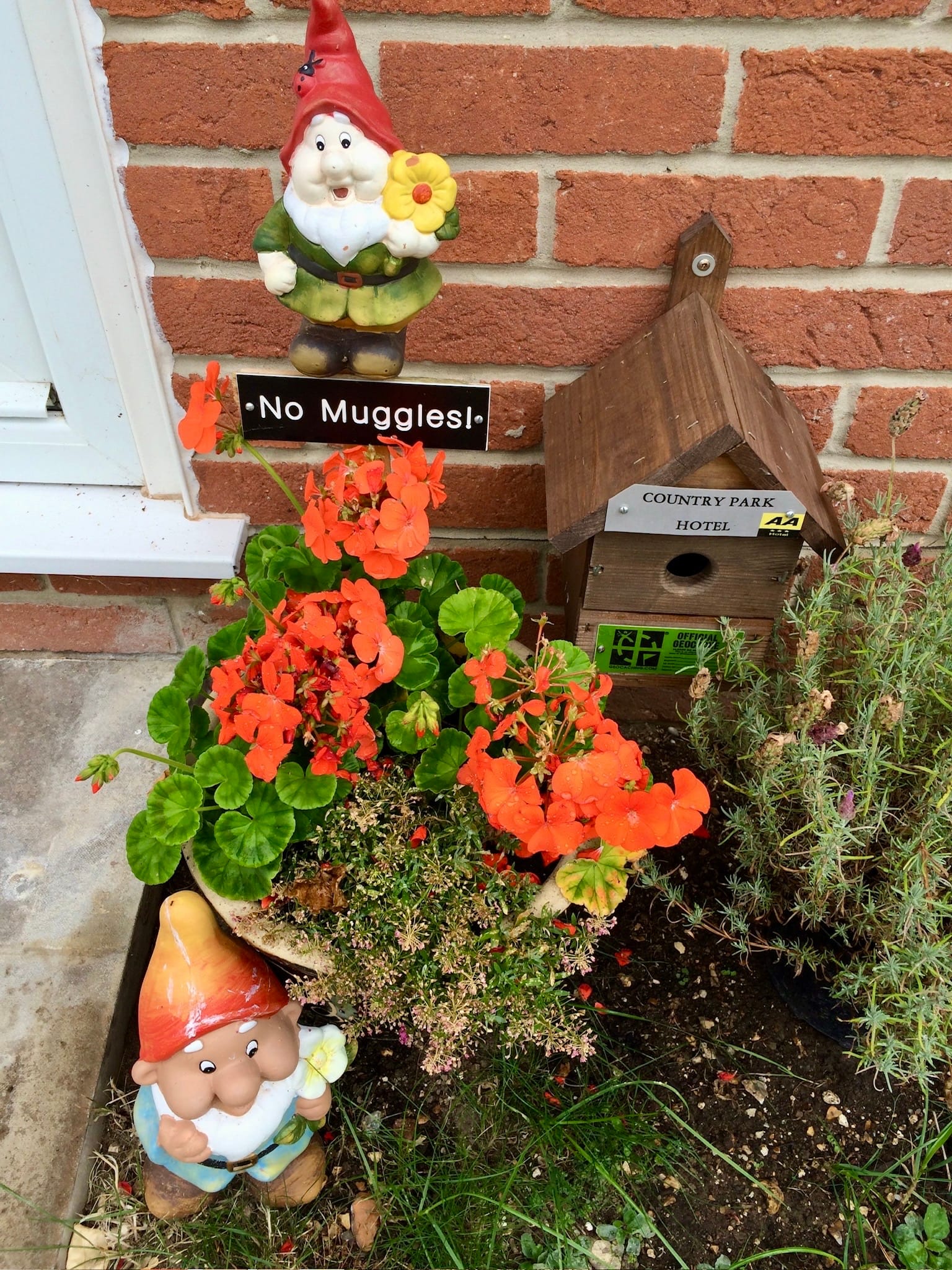
One trail we followed even had a list of tools that we would need to carry in order to access the caches, from long sticks to bottles of water. Some caches require more specialised equipment like a window cleaning pole and for the extreme adventurers climbing or scuba gear. There might be puzzles to solve too.
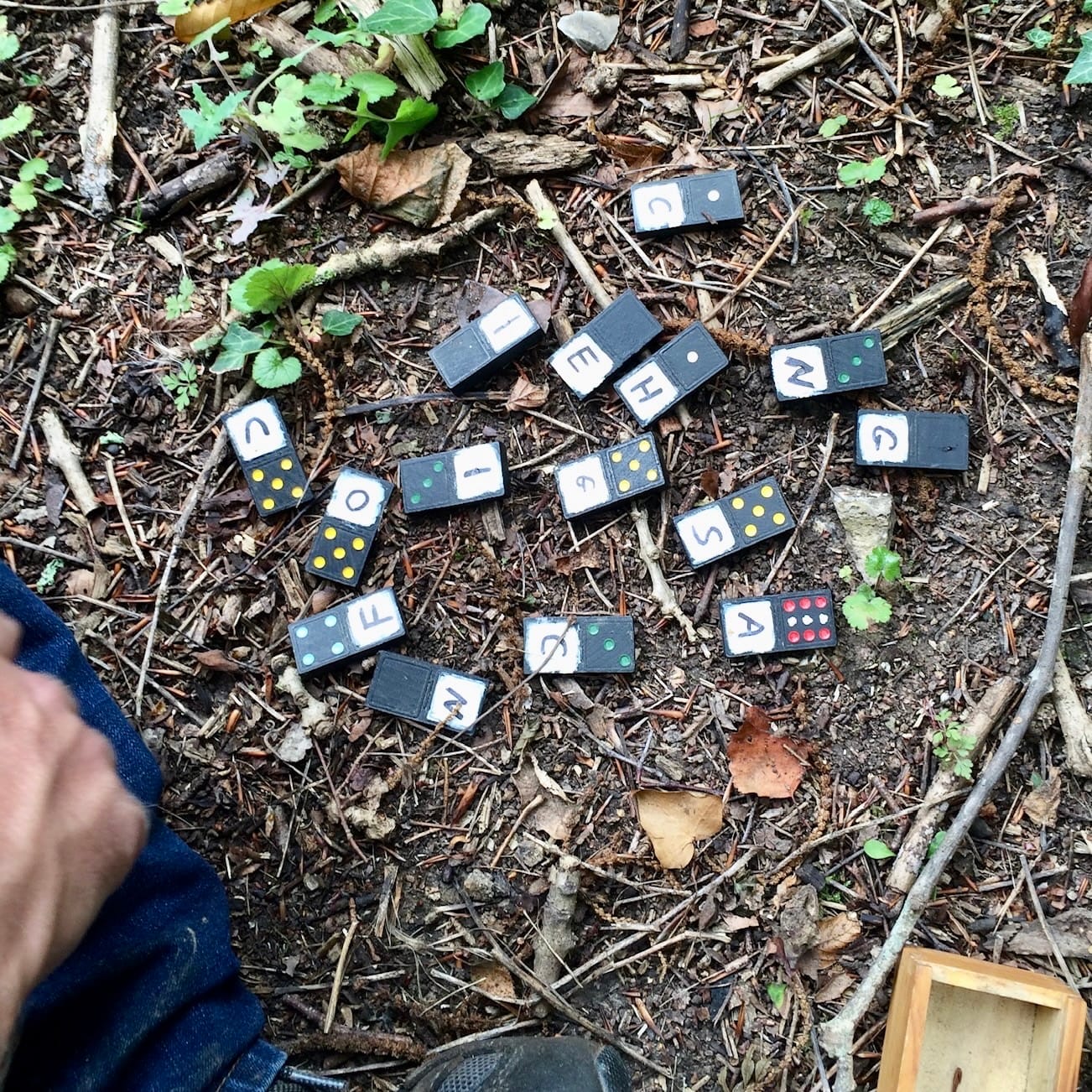
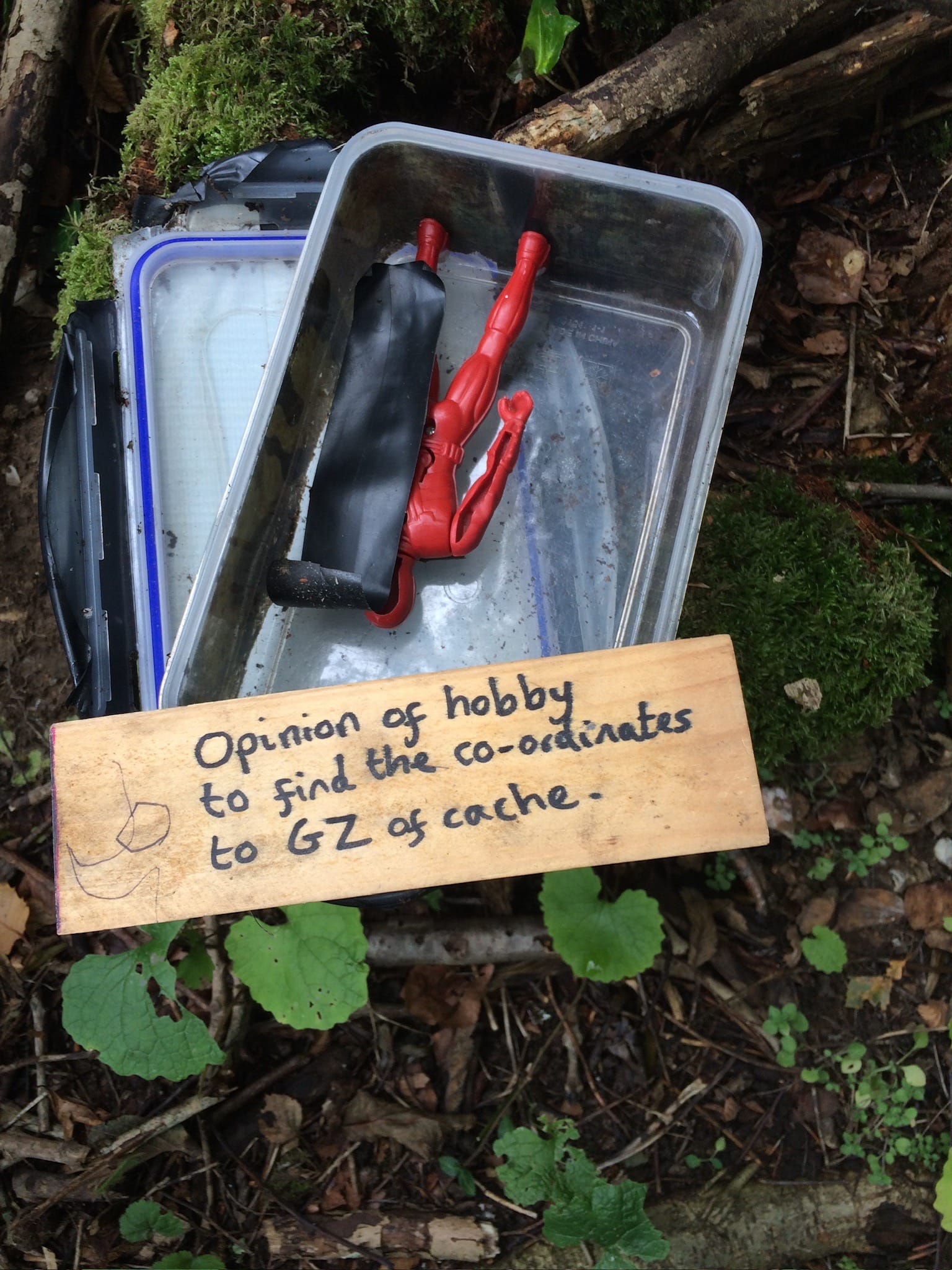
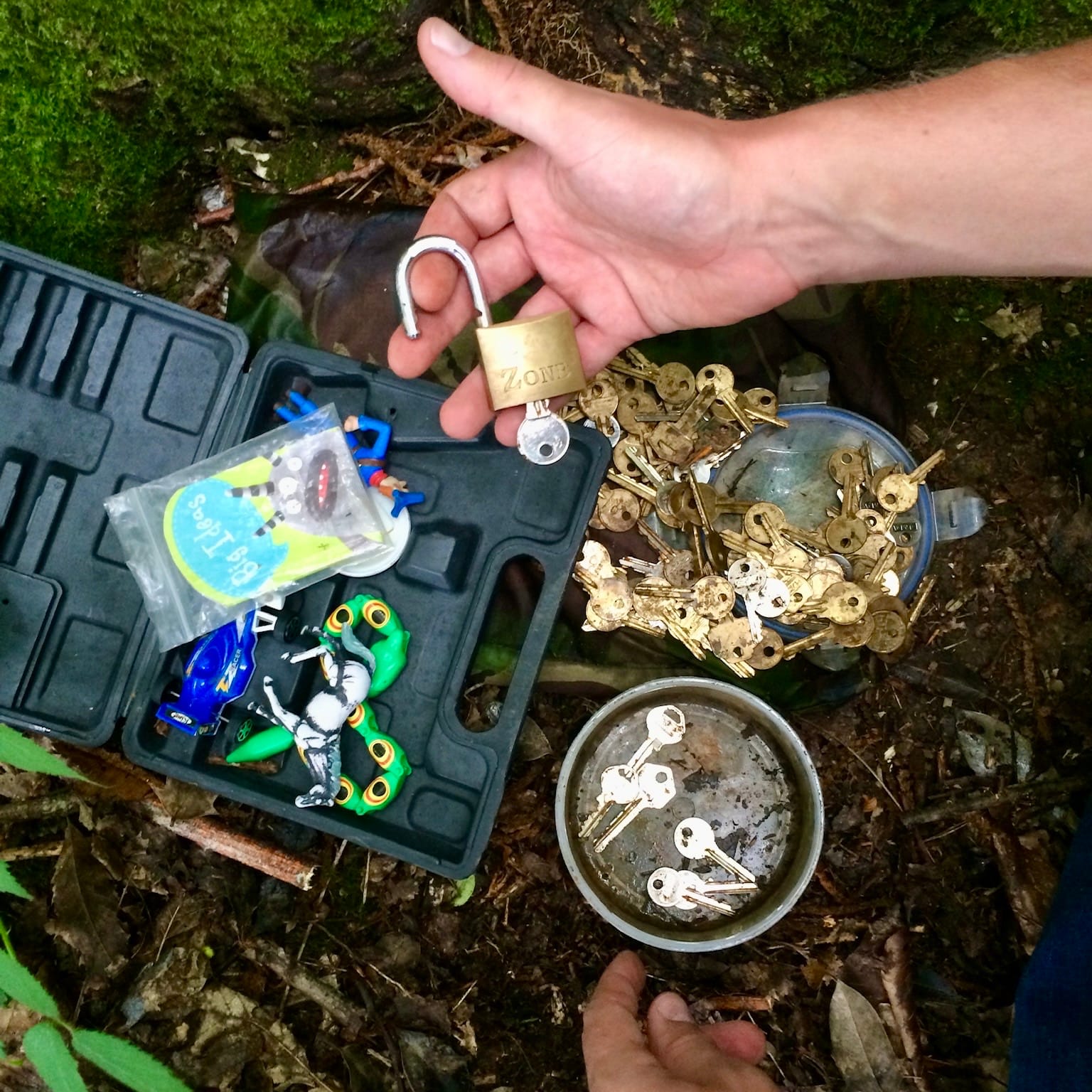
The Log
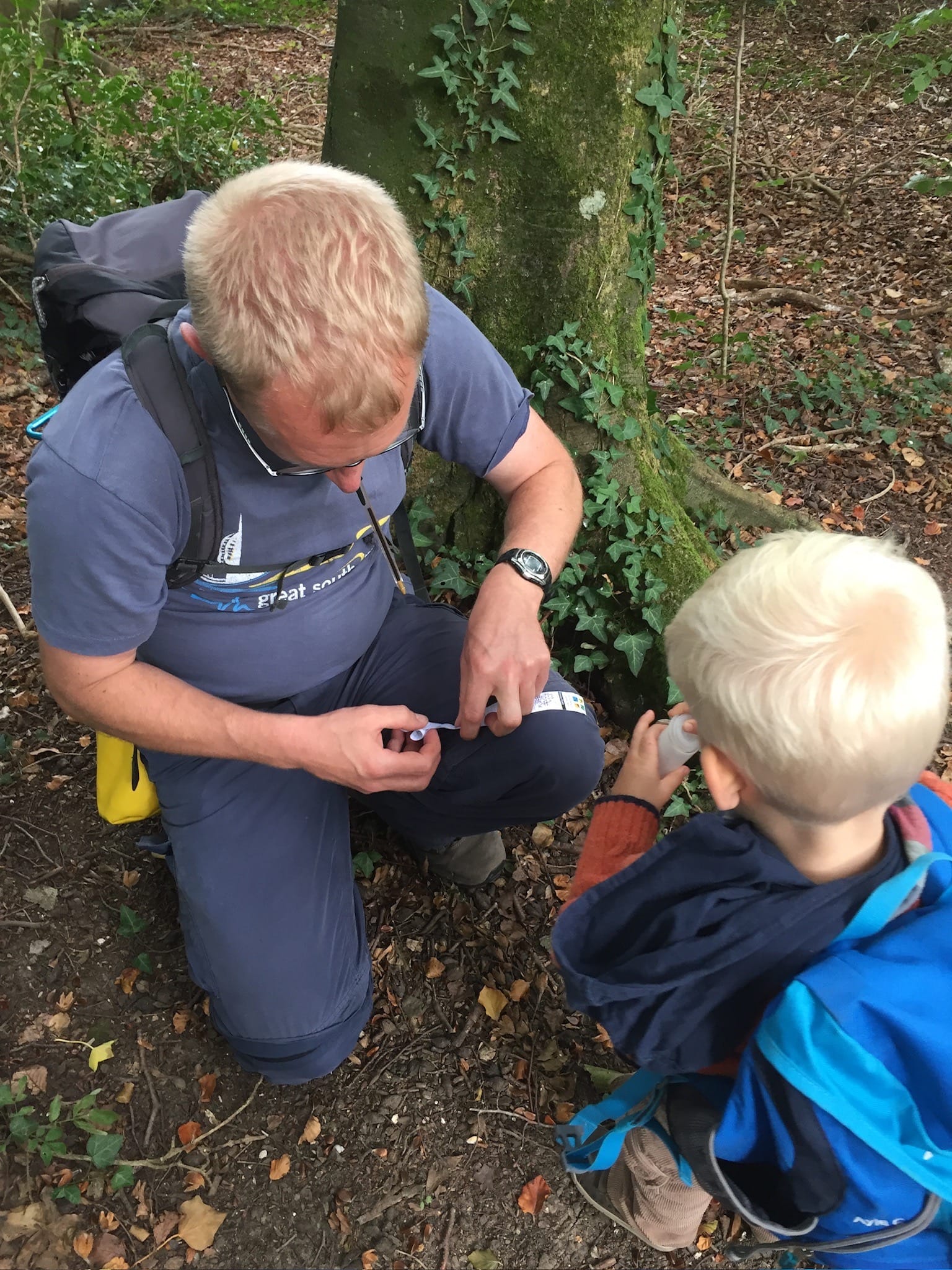
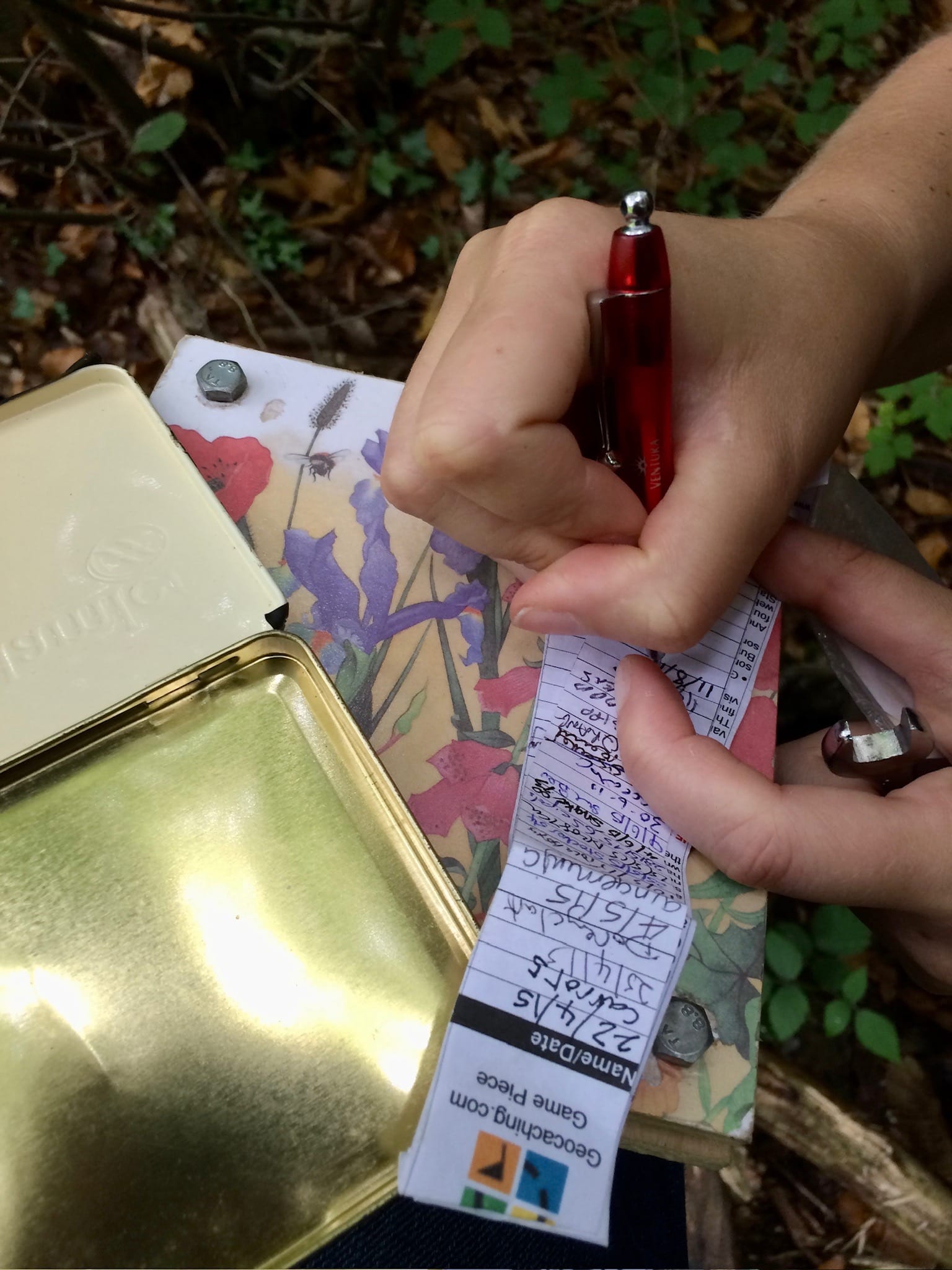
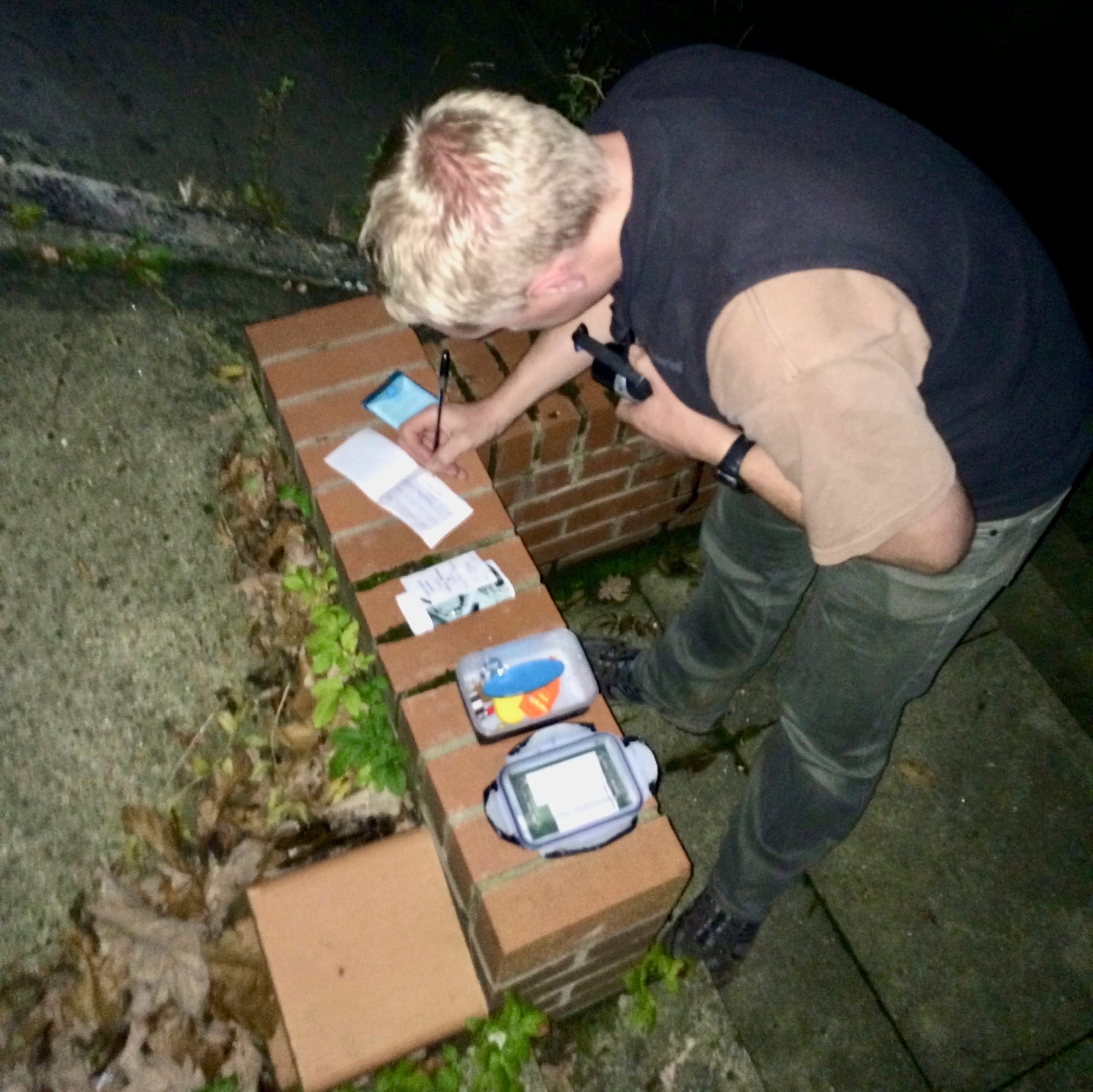
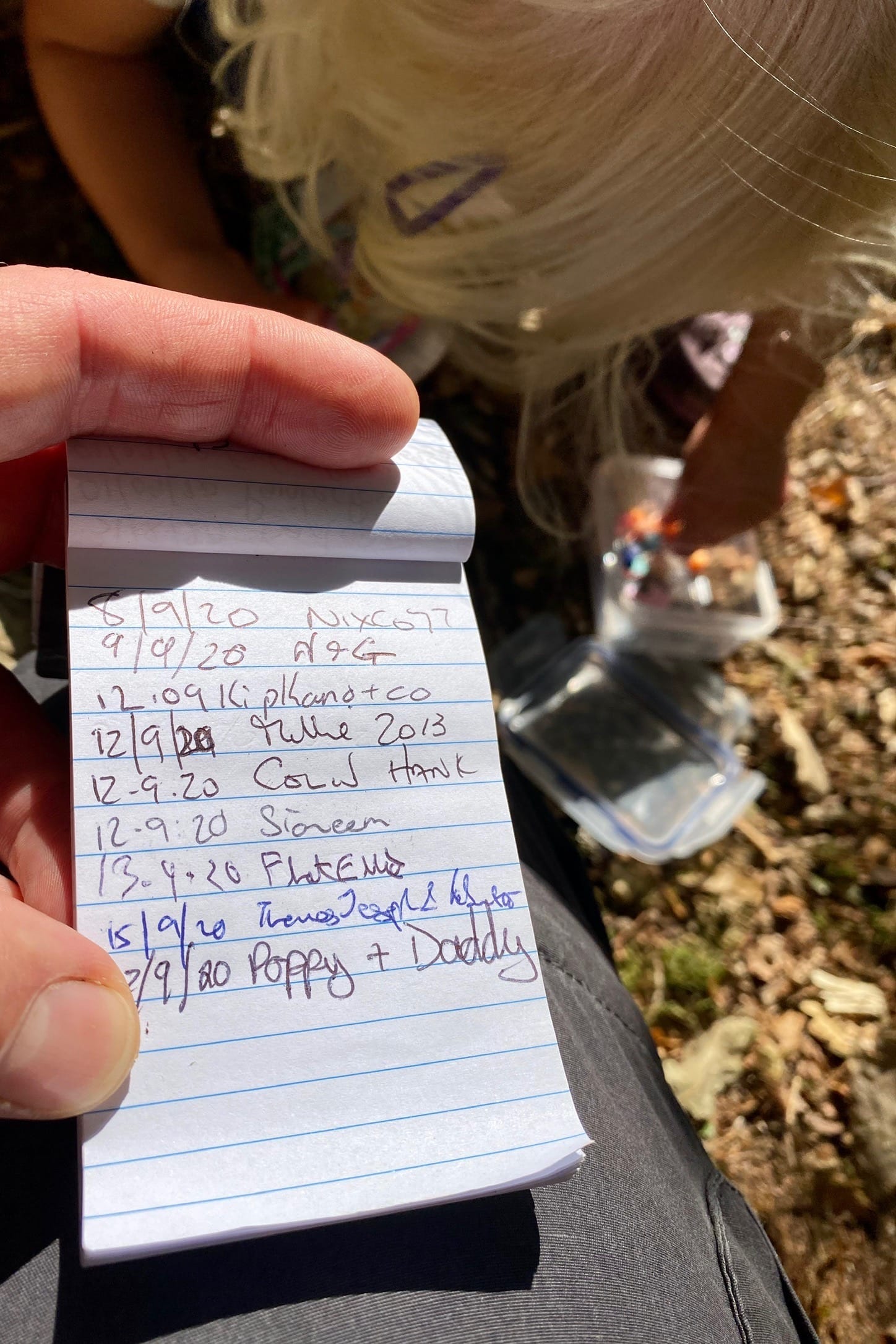
Once found, it’s time to sign the logbook. Most, if not all, geocaches still contain a physical logbook to record your find. People often write a friendly note sharing stories about their experience that day. To record your find online, up your count and earn souvenirs be sure to log ‘Found it’ or if you had difficulty ‘Did Not Find’.
The Trade
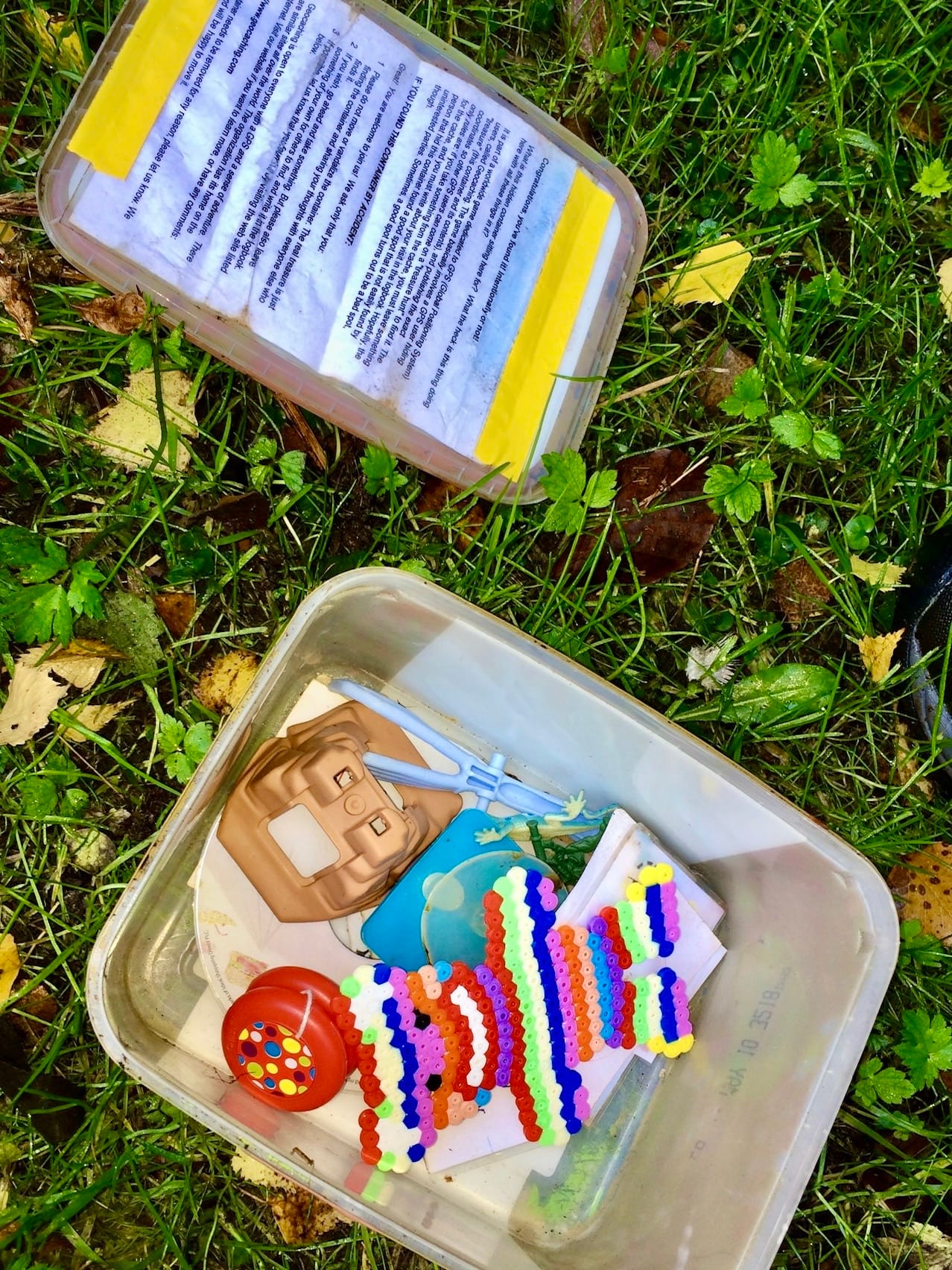
Many geocaches, when big enough, also hold items for trade. Often trinkets similar to those you might get from a Christmas crackers to appease those hardworking younger searchers. The rule of trading is that you must replace anything you extract with an item considered of equal or greater value.
Terminology
- Muggles - those not aware of Geocaching and around whom you should be discreet and stealthy.
- TFTC - Thanks for the Cache (often noted in logs)
- FTF - First to Find
- Stickoflage - the sticks (sometimes leaves and other natural materials) used to camouflage and hide a cache
- GZ - Ground Zero, the position where the cache is recorded, when your GPS shows zero feet away.
Souvenirs
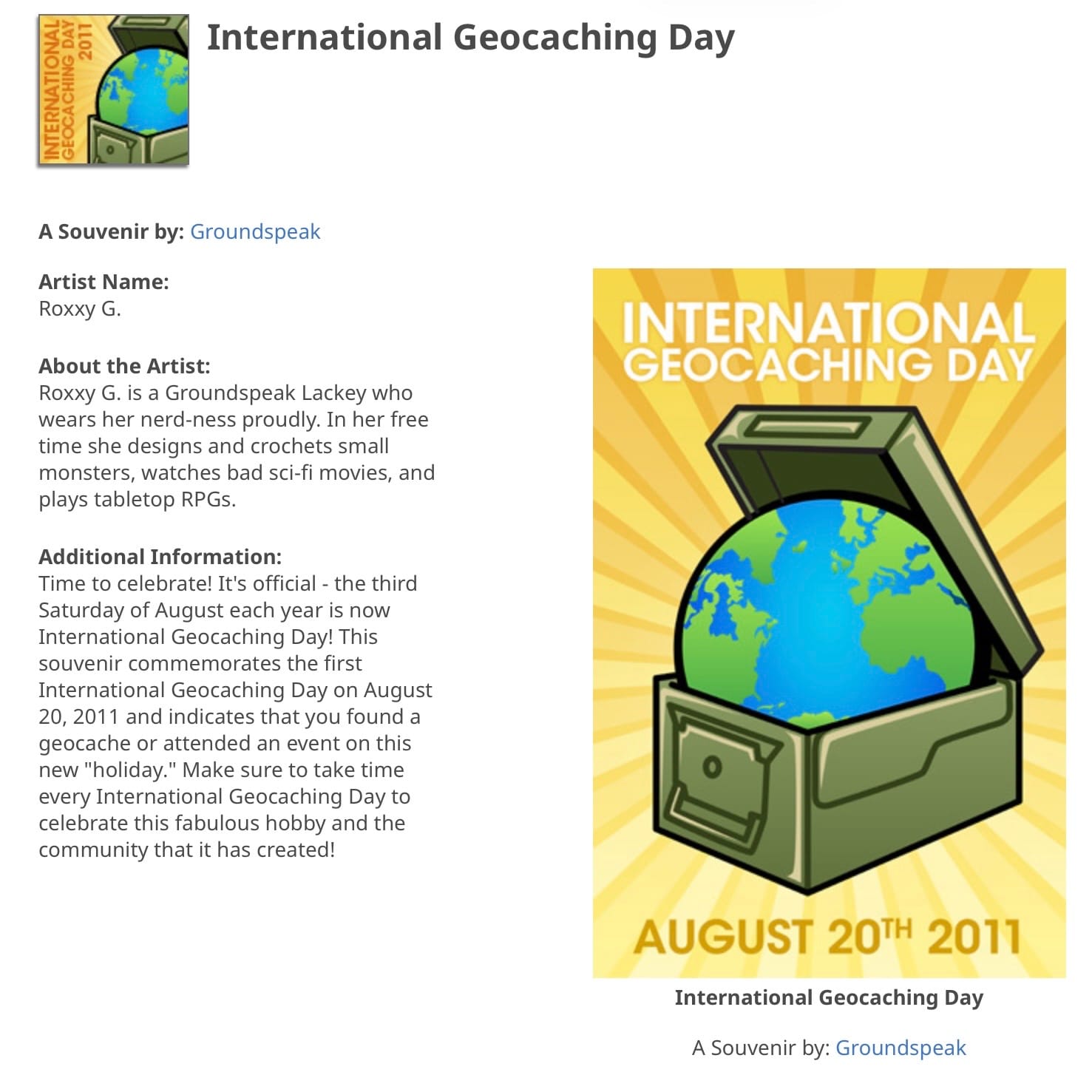
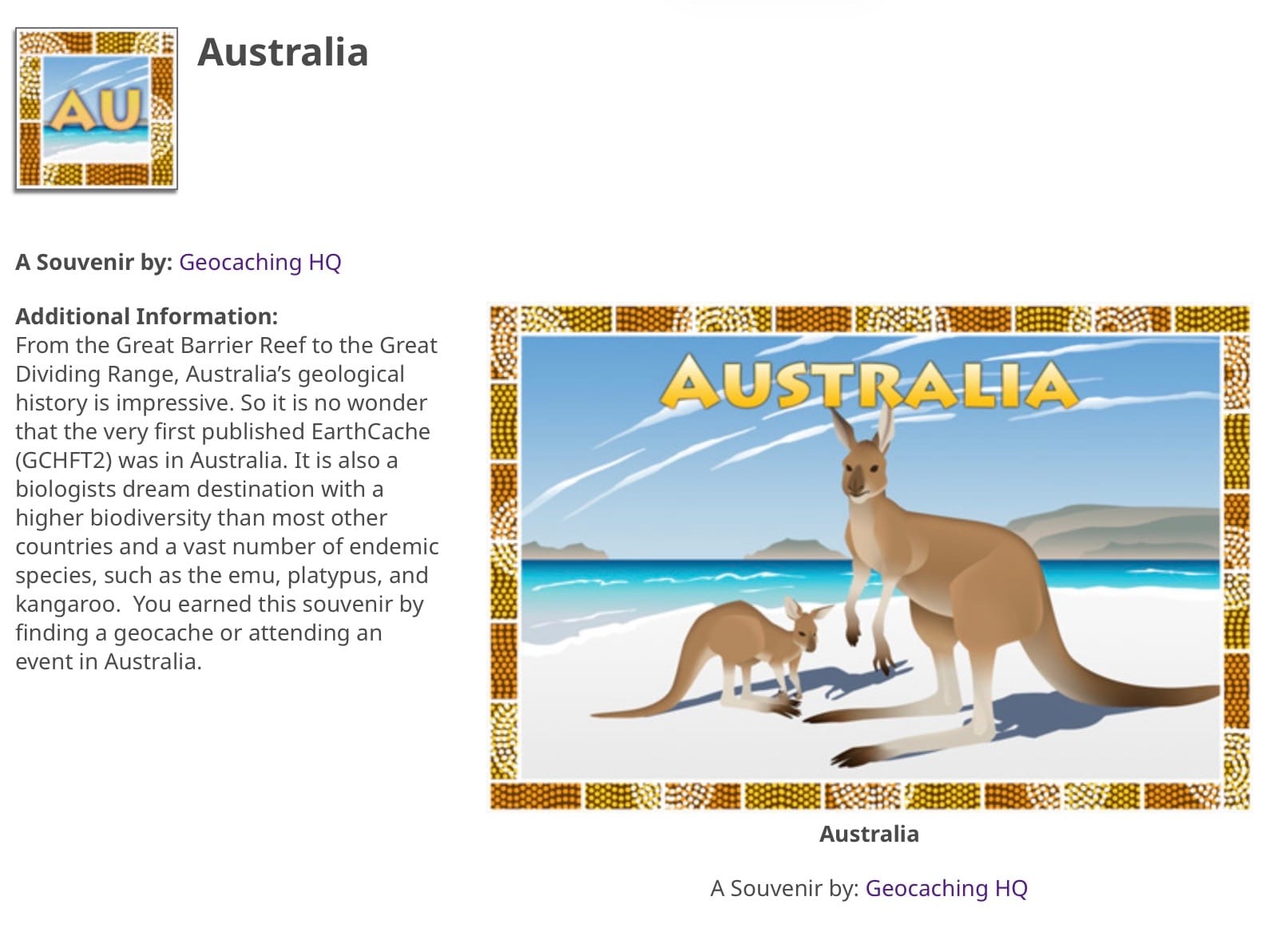
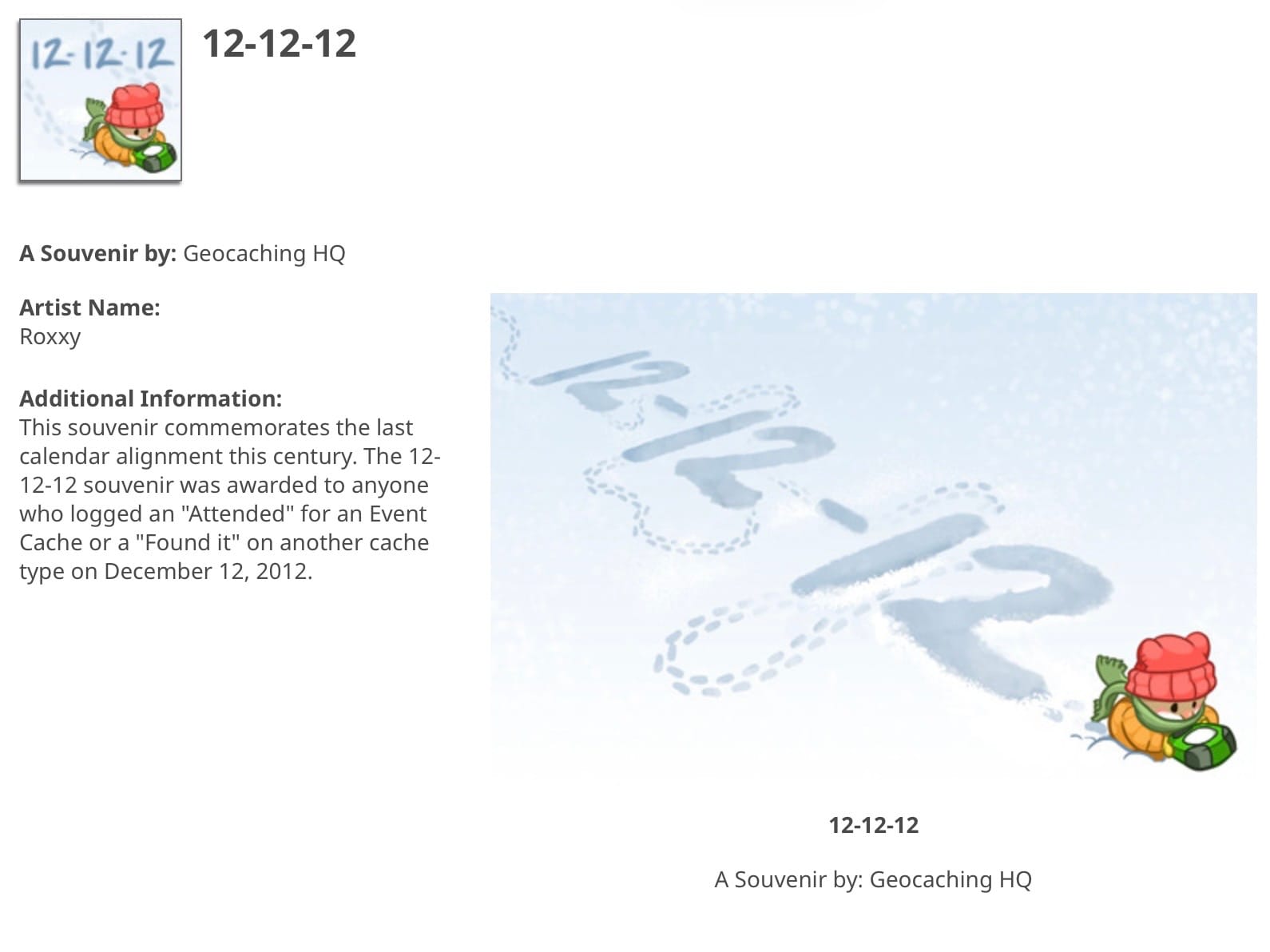
These are digital rewards to recognise your completion of a challenge set by geocaching.com. You can see them linked to you online profile in the app or online. Common souvenirs are available for finding a geocaching on the last and first day of each year and international geocaching day.

Trackables
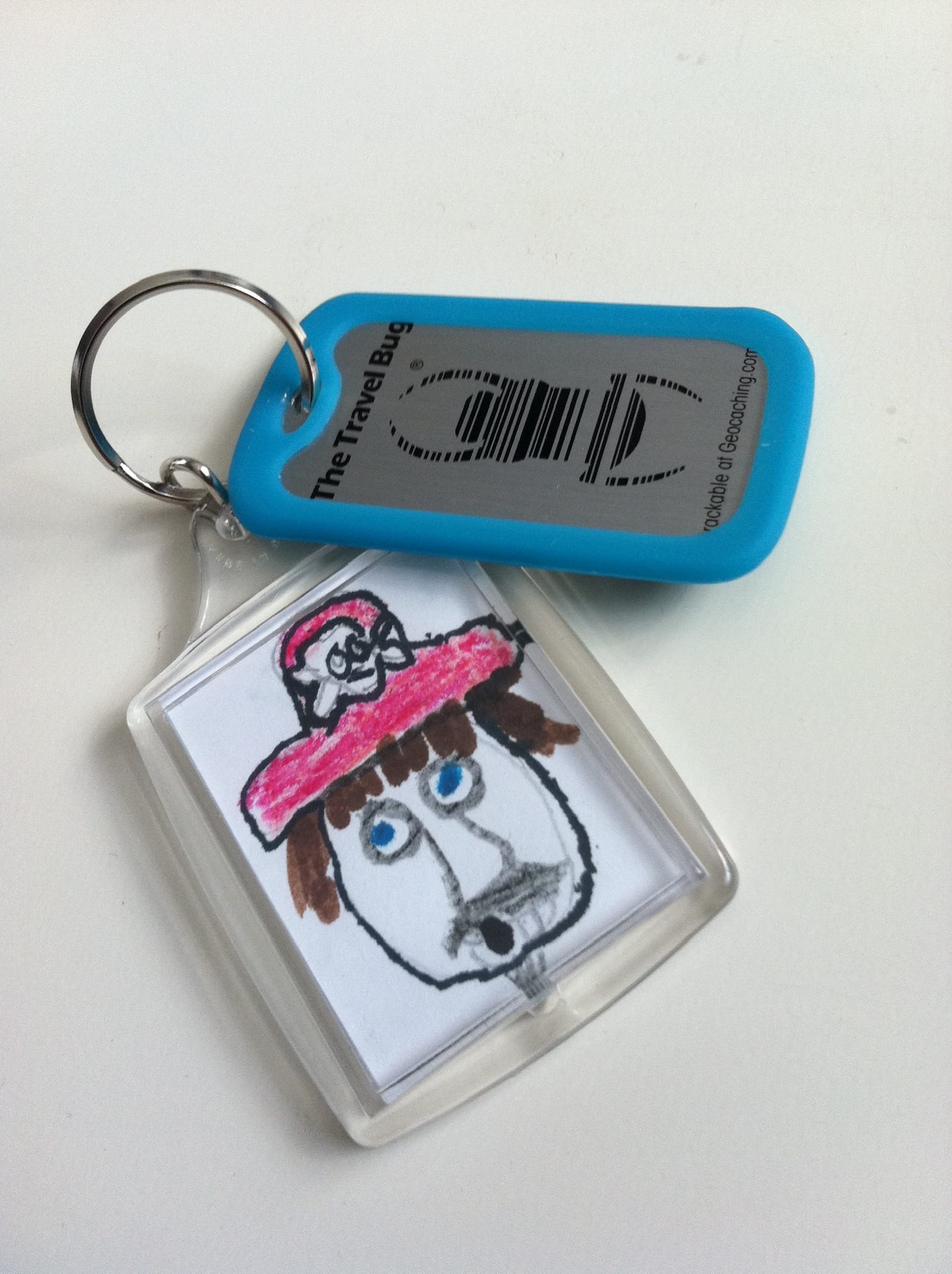
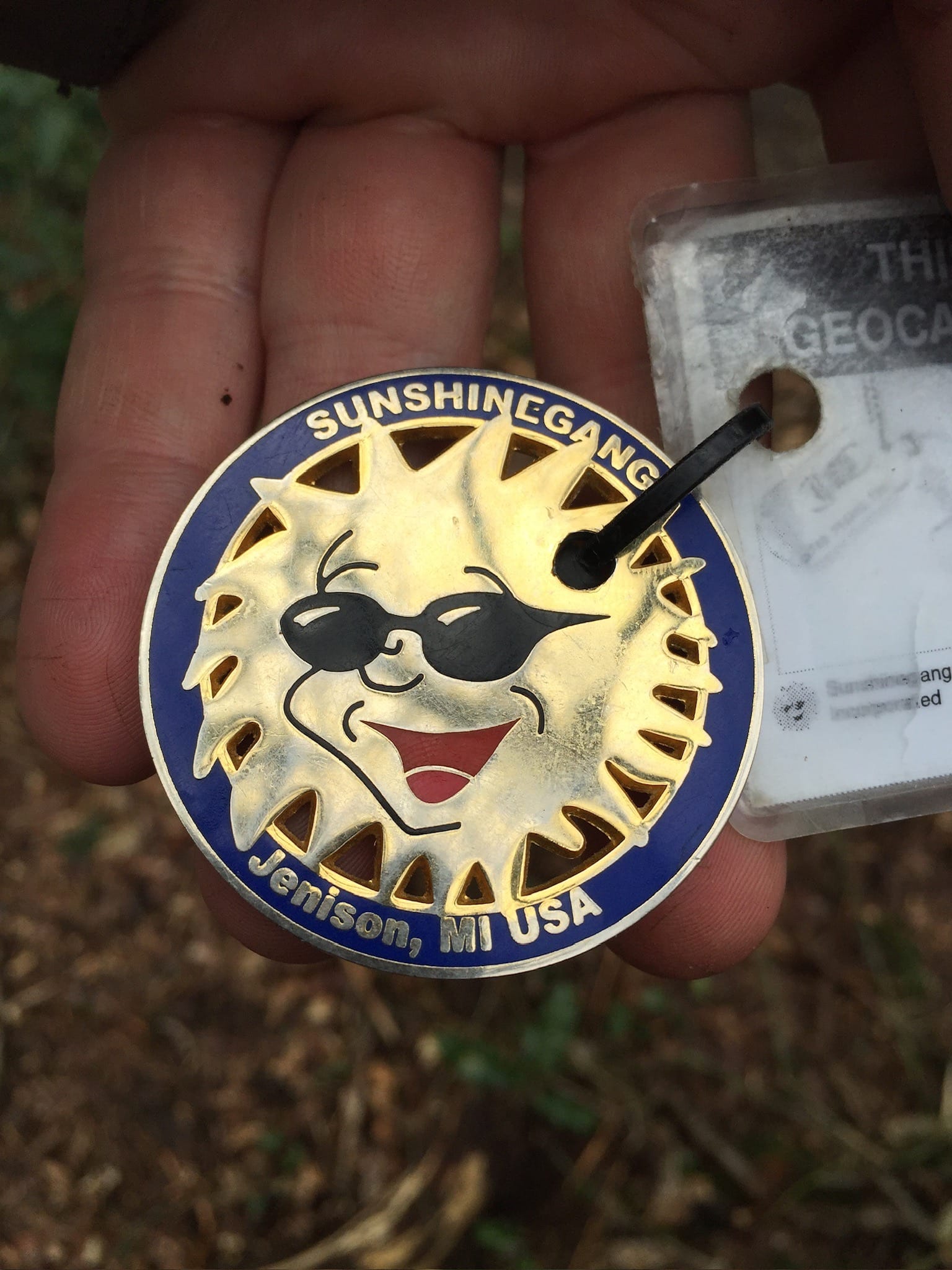
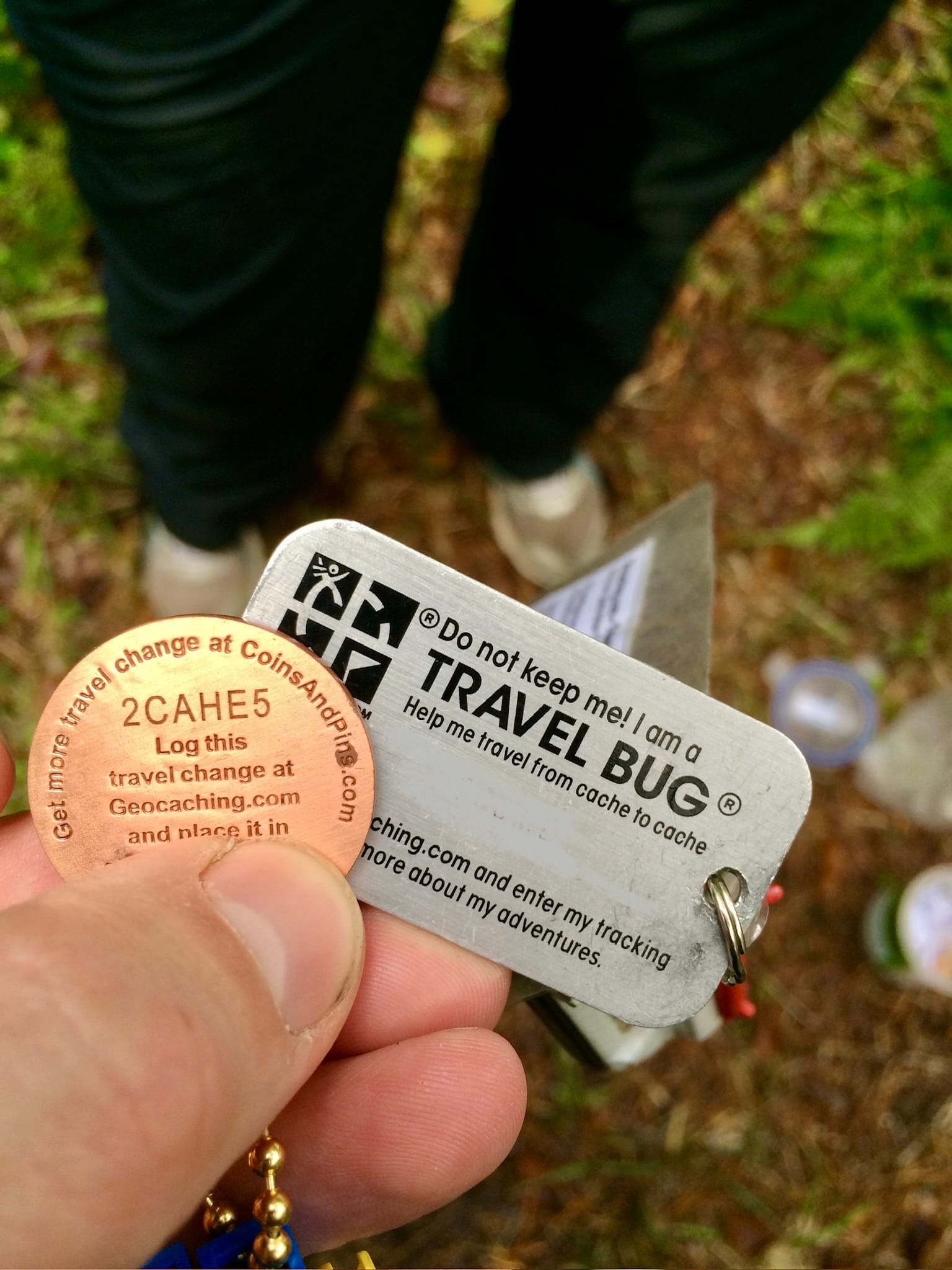
We didn’t get too involved with trackables in the early days. I think we probably understood them more when they were connected to a souvenir further into our geocaching adventures A trackable is usually a coin or keyring attached to something with a travel mission. If you find a trackable in a geocache you can look up the mission online, discover it and, if you choose, move it on to another geocache. We have set free our own trackables over the years but with sad results, they have always gone missing never to be seen again.
Find out more
 Geocaching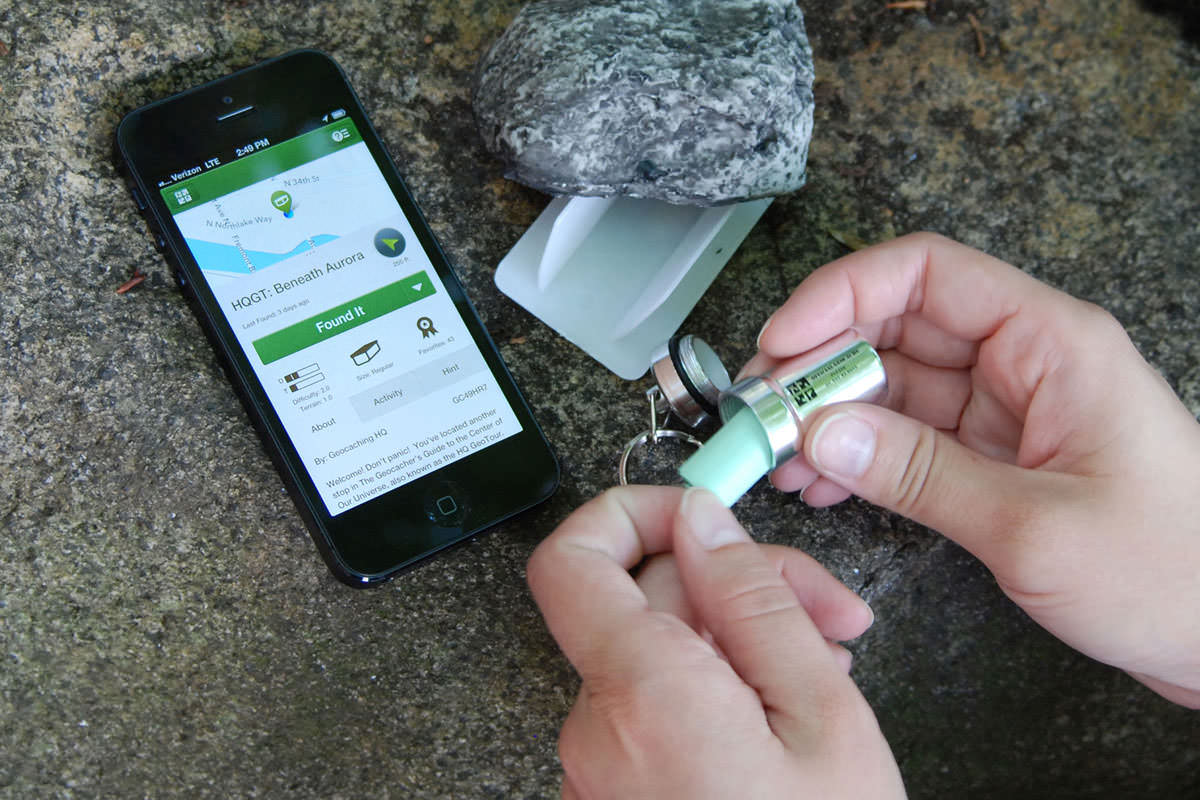
 Geocaching
GC1BE91 - The Geocache in Space