A cosy tent in the rain
My tent has to be one of my favourite possessions; a home I can collapse down and carry on my back, enough space for me and both children, dry, sheltered and cosy.
For me there is no experience more comforting that laying cosy in a sleeping bag whilst the rain patters on the skin of my tent.
Twenty seconds of comfort
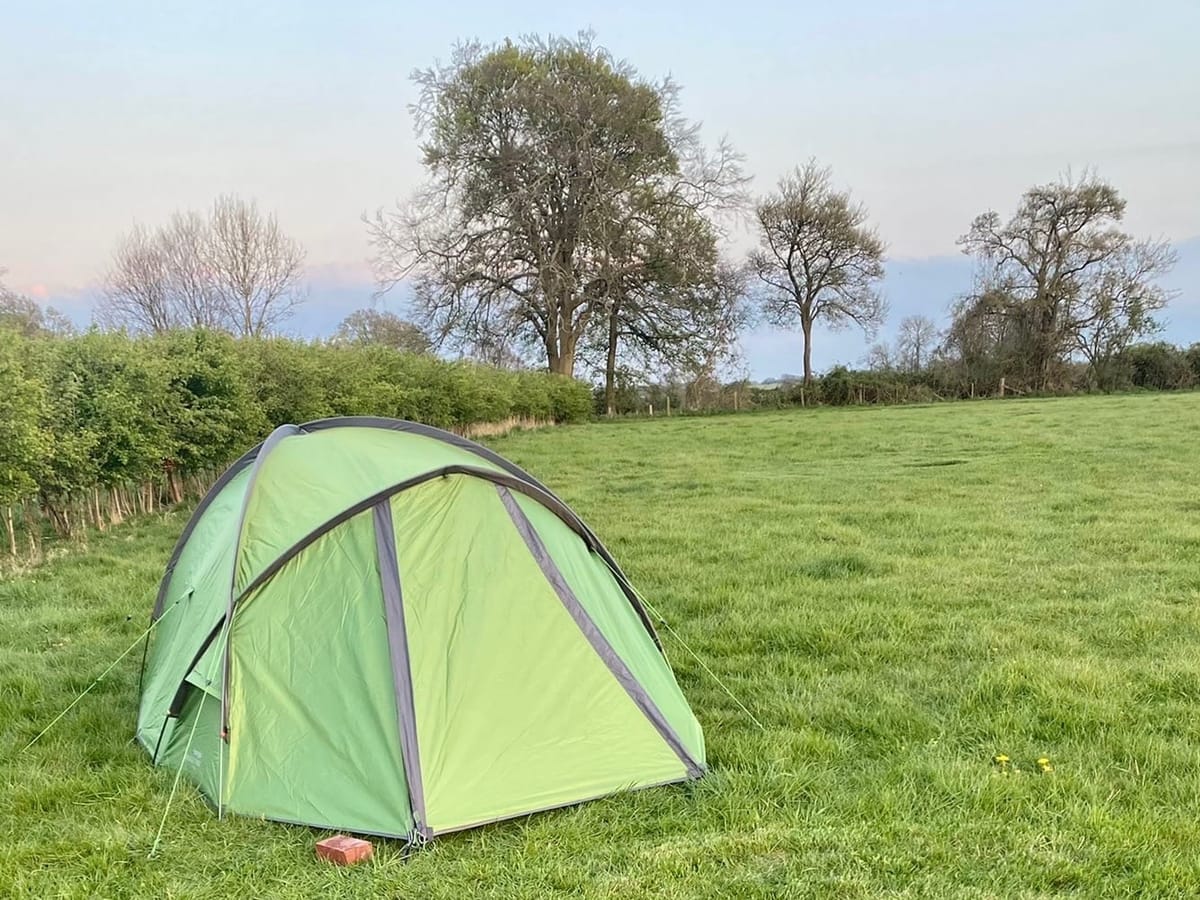
To look at my tent from across a field, it appears modest and simple. It doesn’t perform the magical trick from Harry Potter of having a greater floor space inside than the footprint it occupies but none-the-less, it offers every feature that I require and a feeling of safety and security whilst staying away from home.
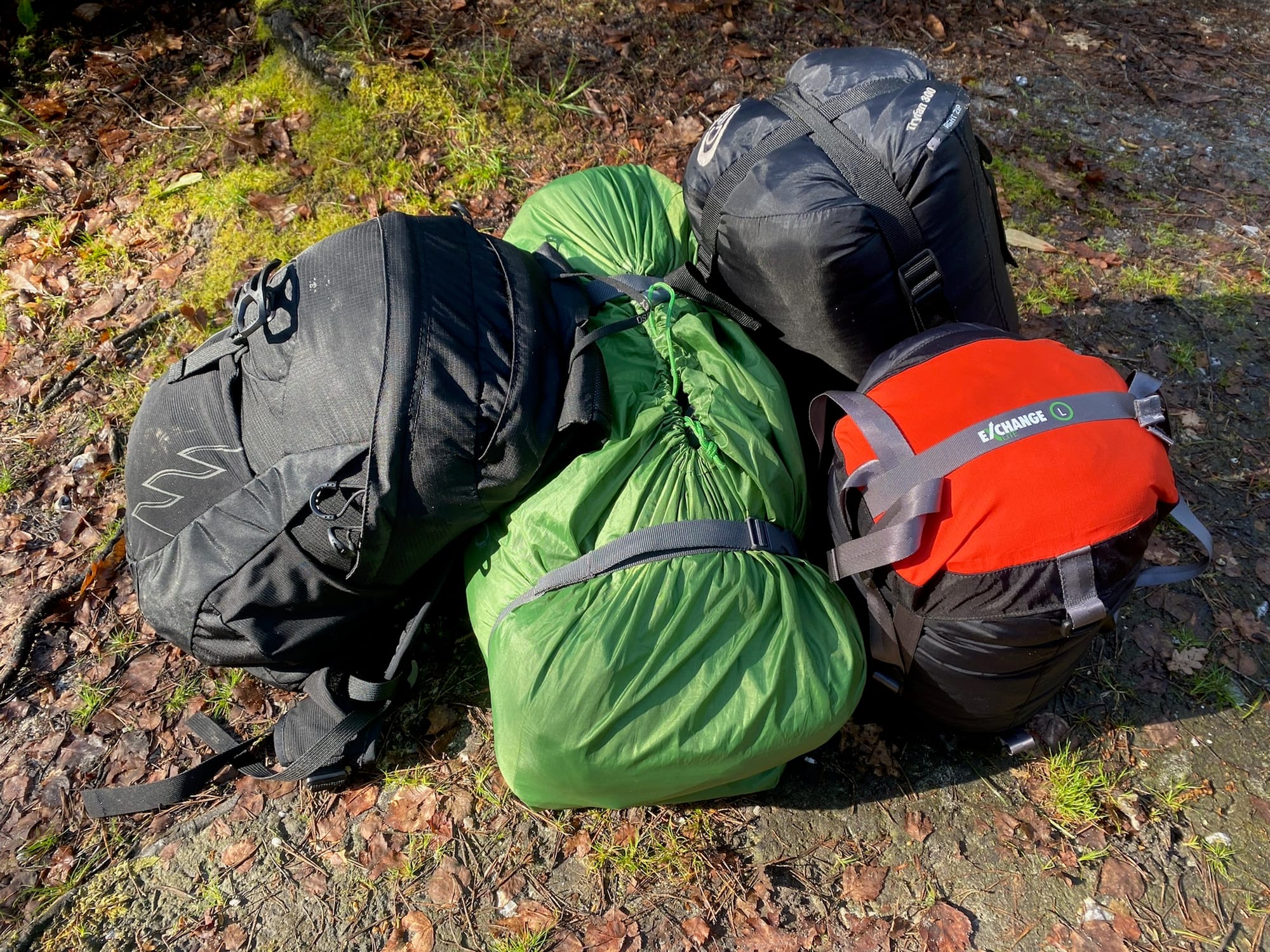
Nowadays my tent is usually this three man Vango which is small and light enough to carry in my backpack when hiking with my son. Occasionally, I borrow a larger family-sized tent from my scout group for trips when I am able to use a vehicle, want to leave the tent up for a few nights and perhaps want a little more comfort or space for other family members and the dog.
Over the past few years it has been the rarity for me to be the sole occupant of my tent. I am more frequently sharing with one of the kids, be it overnights on a through hike or on summer camping trips. On these occasions, I do like to share the space and be close with the kids in the outdoors.
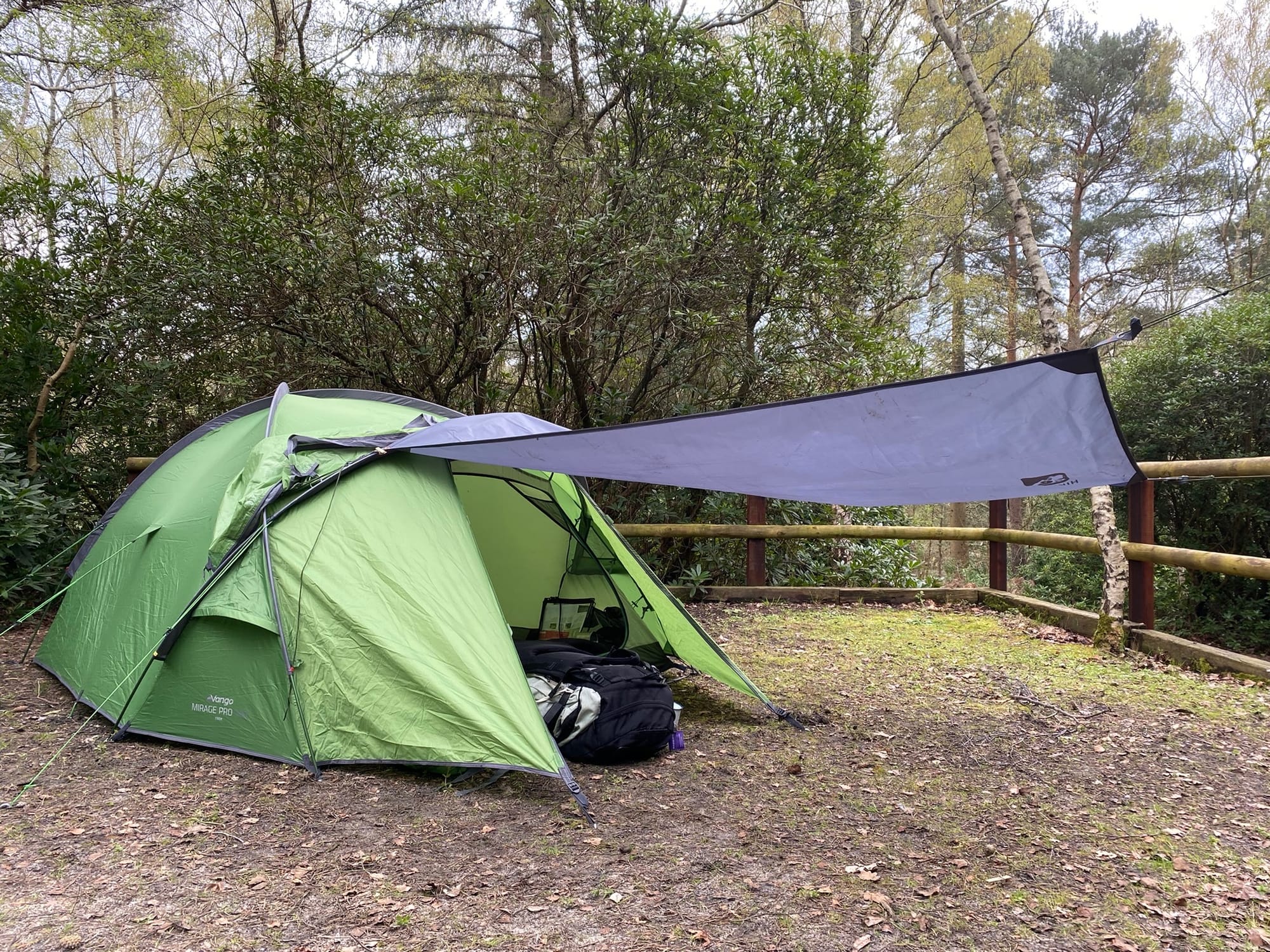
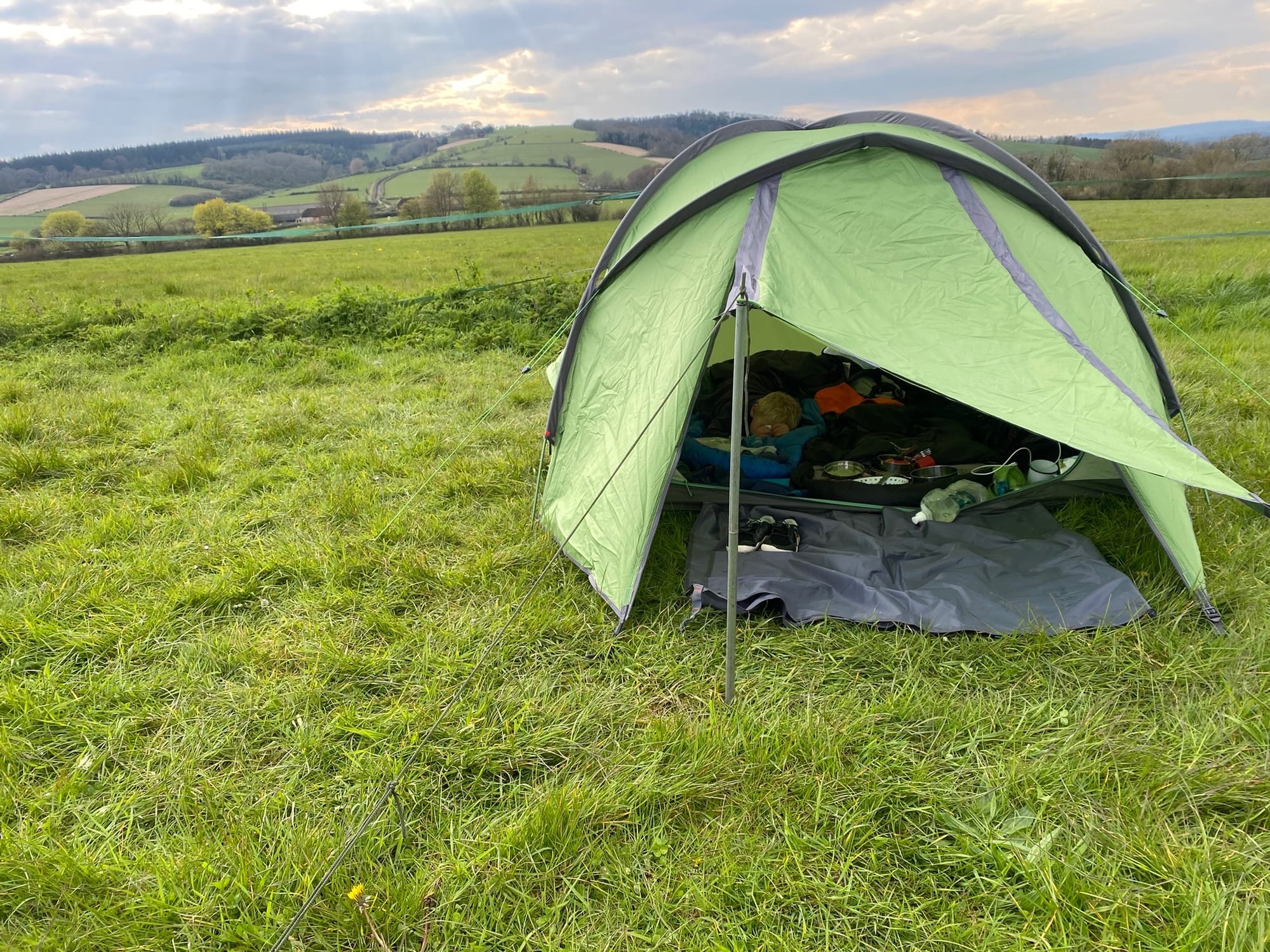
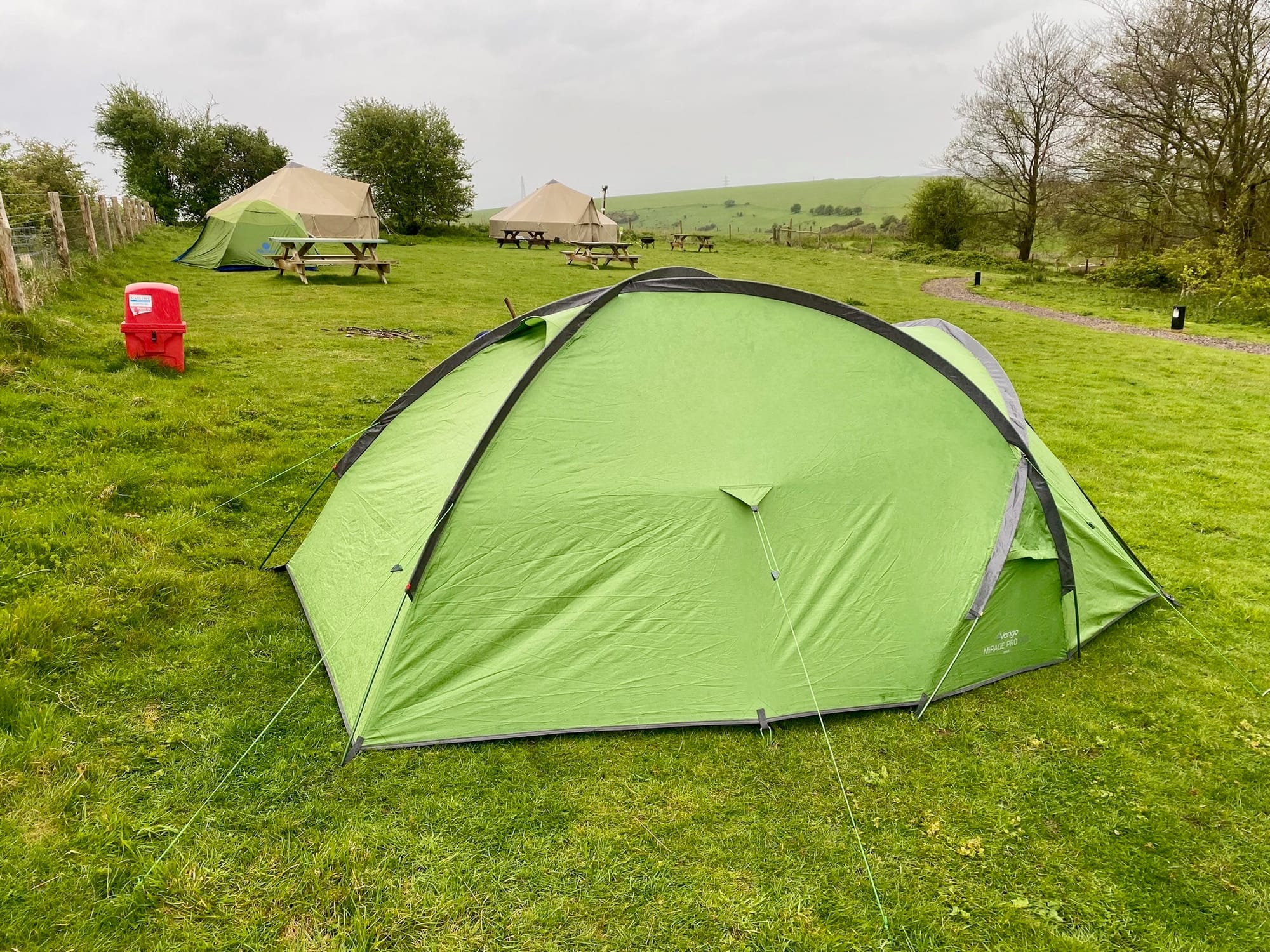
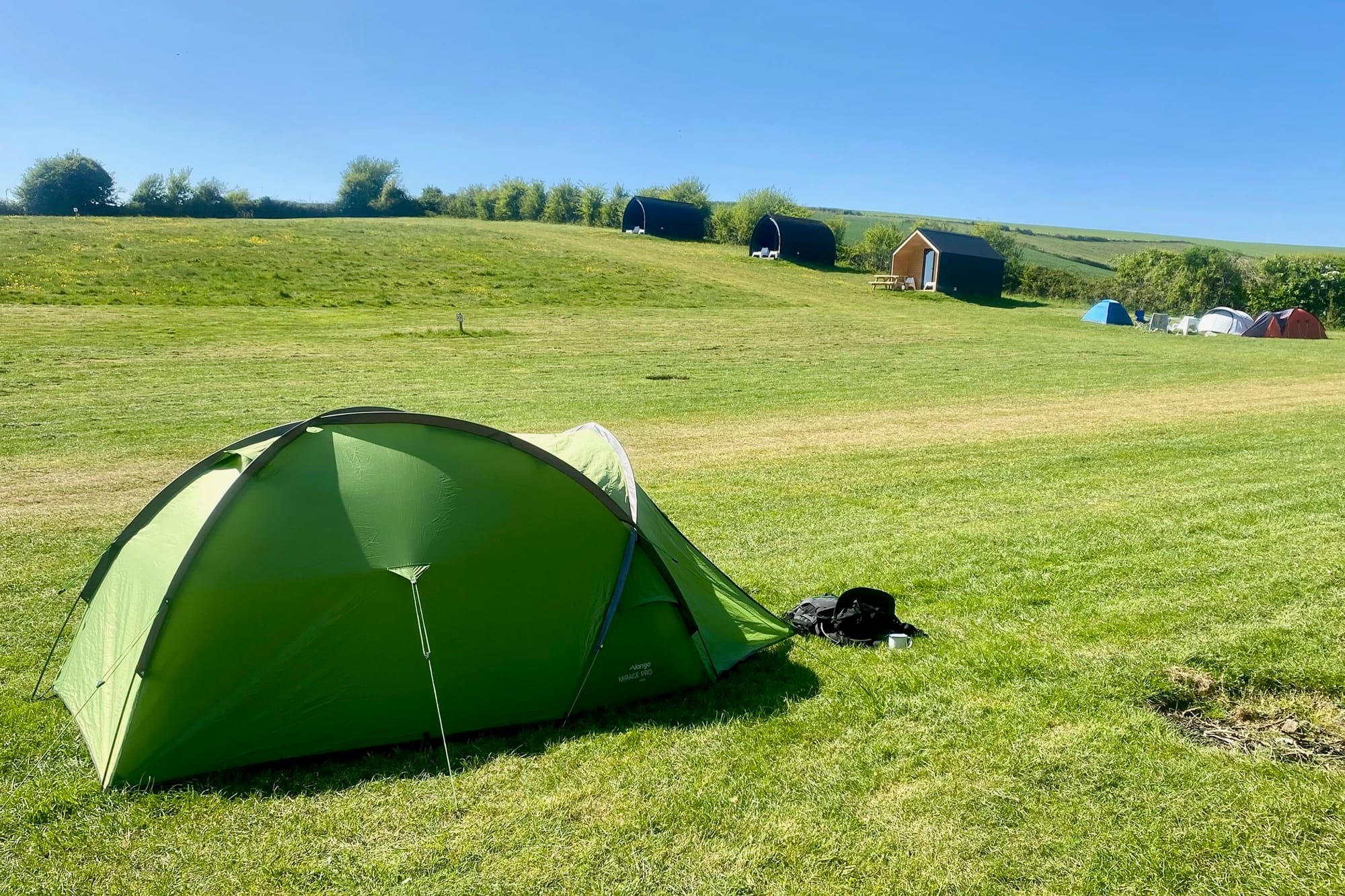
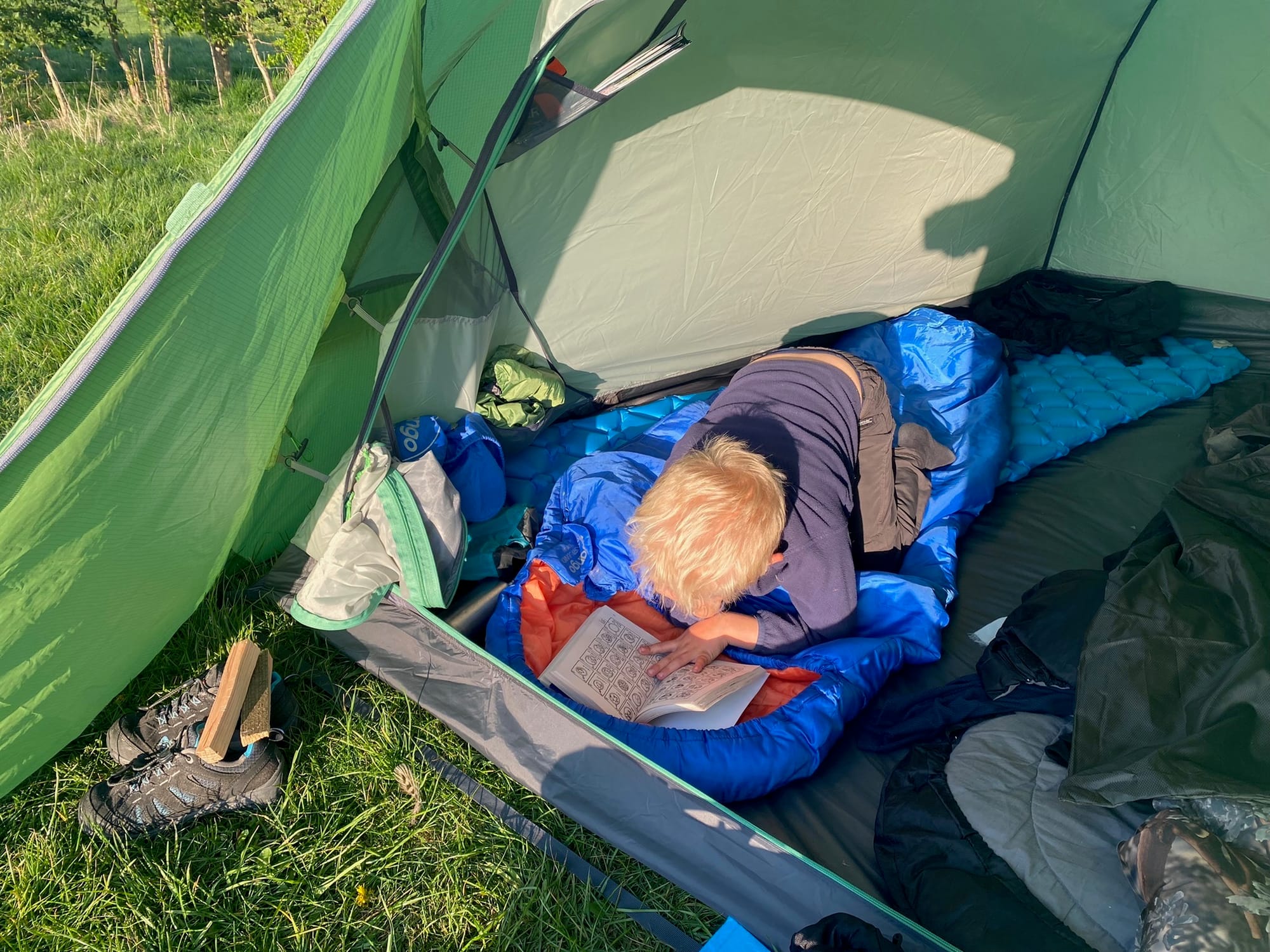
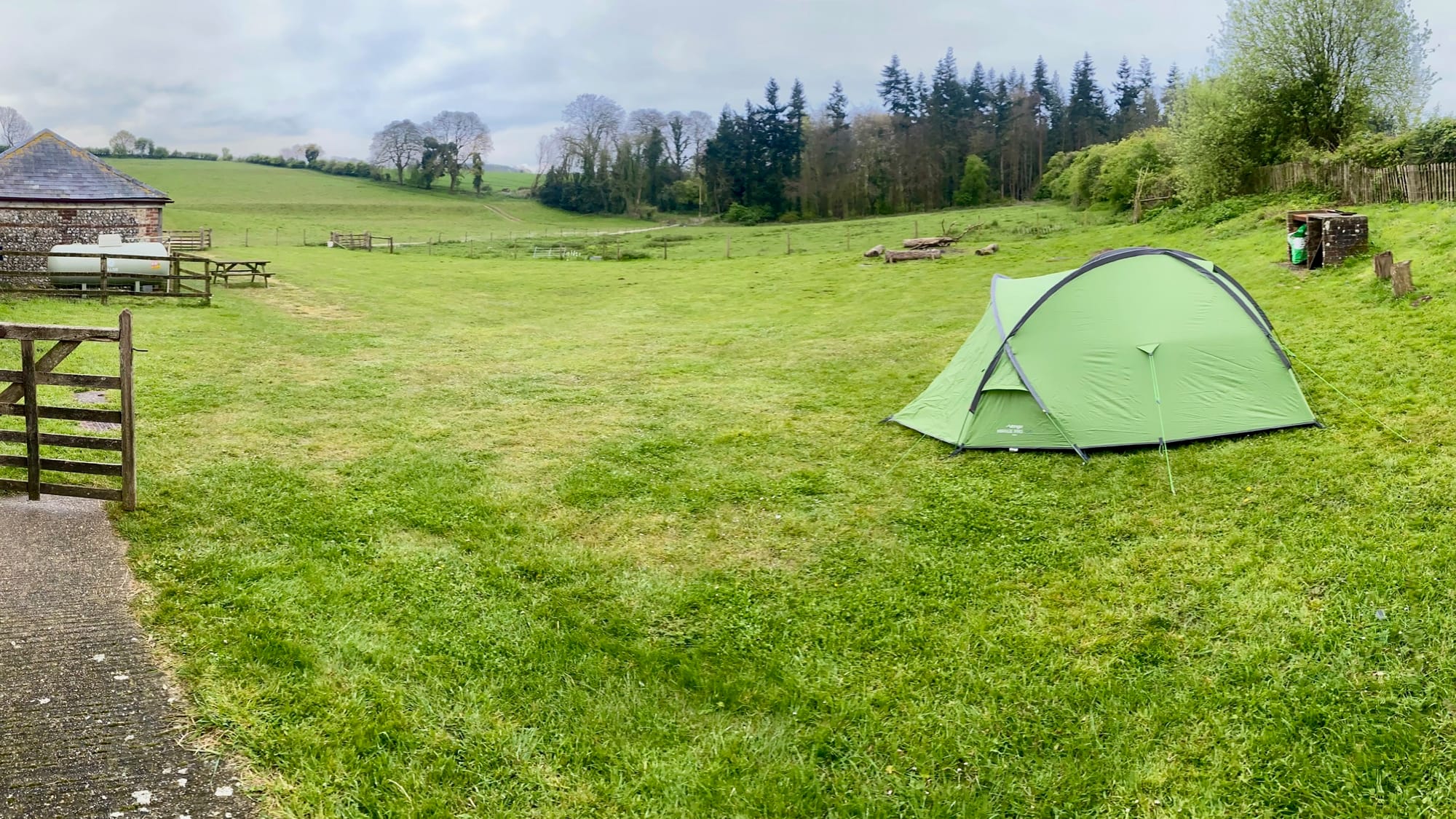
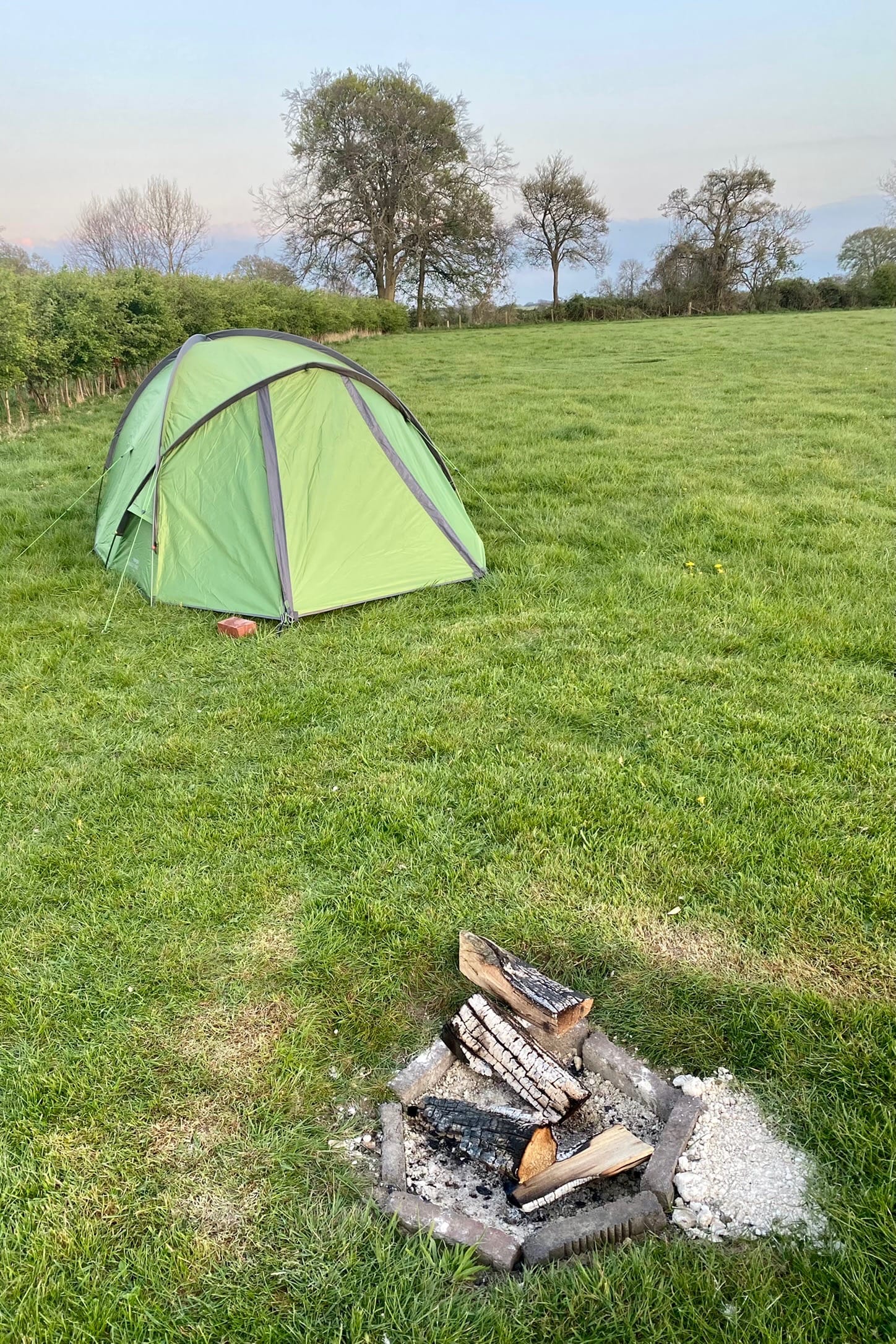
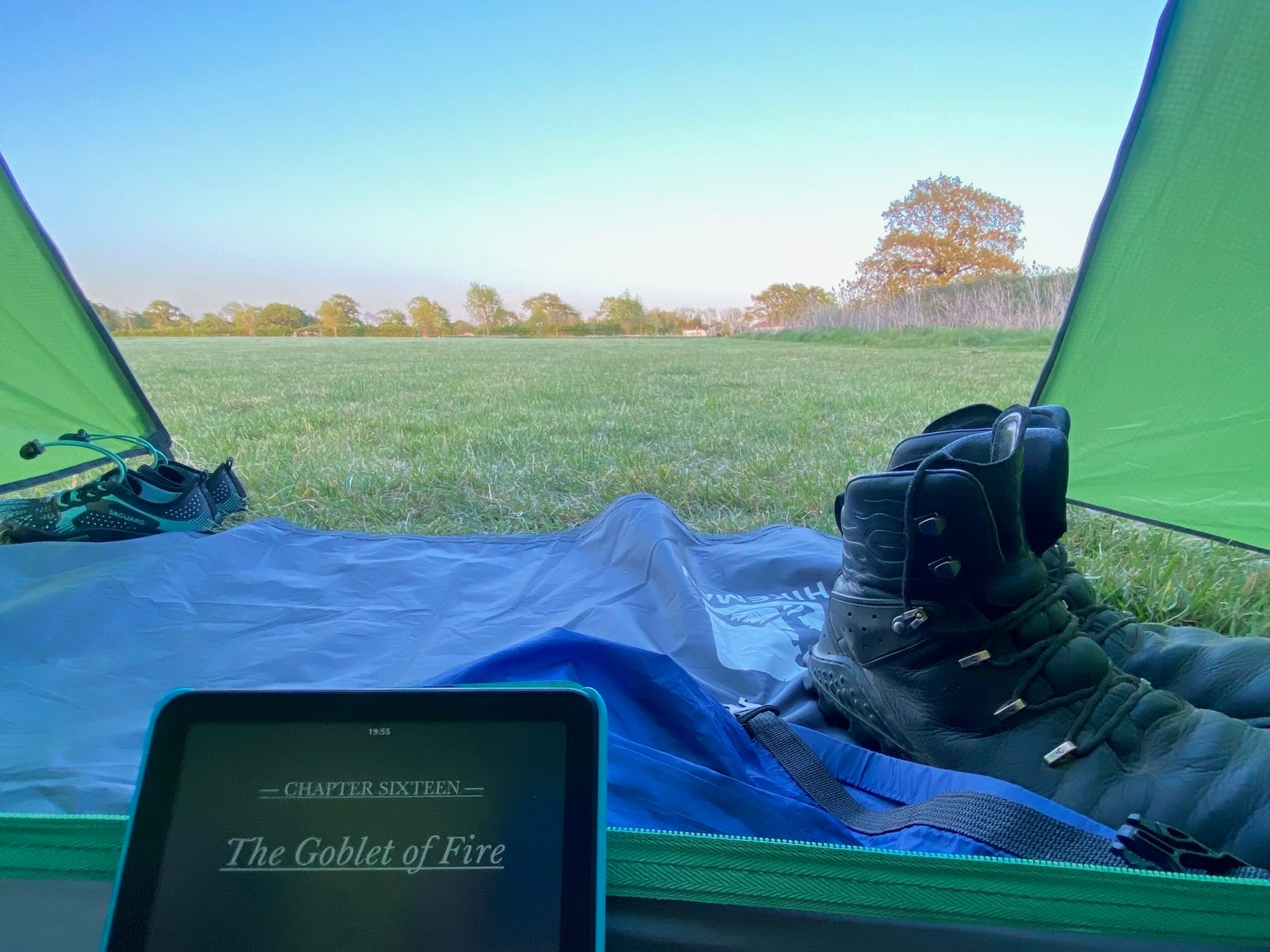
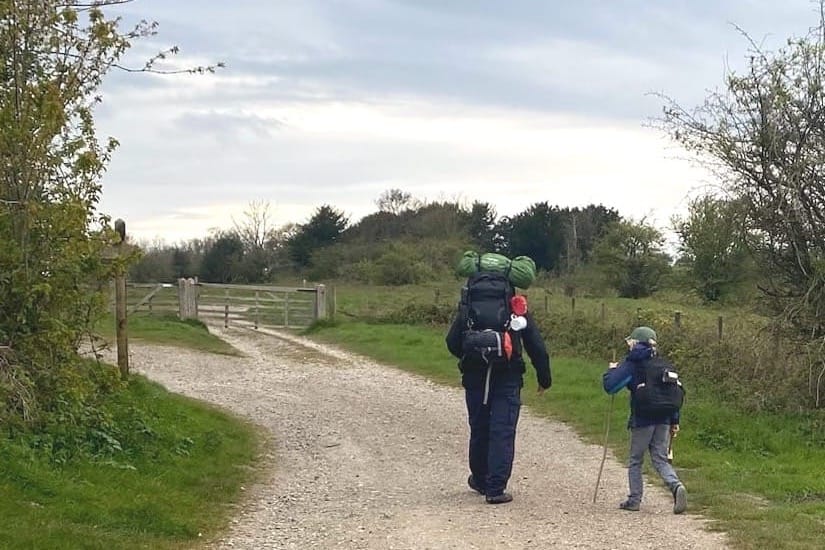
My current 3 man tent in many of the locations that it has serviced me. Sometimes alone but often on hiking trips with my son or at scout camps.
Efficiency
One reason that camping strikes a chord with me is the efficiency of the activity. I value efficiency; whether that be in service, design or time. Having a tent provides the basic needs of a shelter: it keeps out the wind and the wet, providing a space in which I can be somewhat comfortable. Hiking with a backpack also encourages the efficient use of space and mass when choosing what is going to be packed. I carry mainly the necessities.
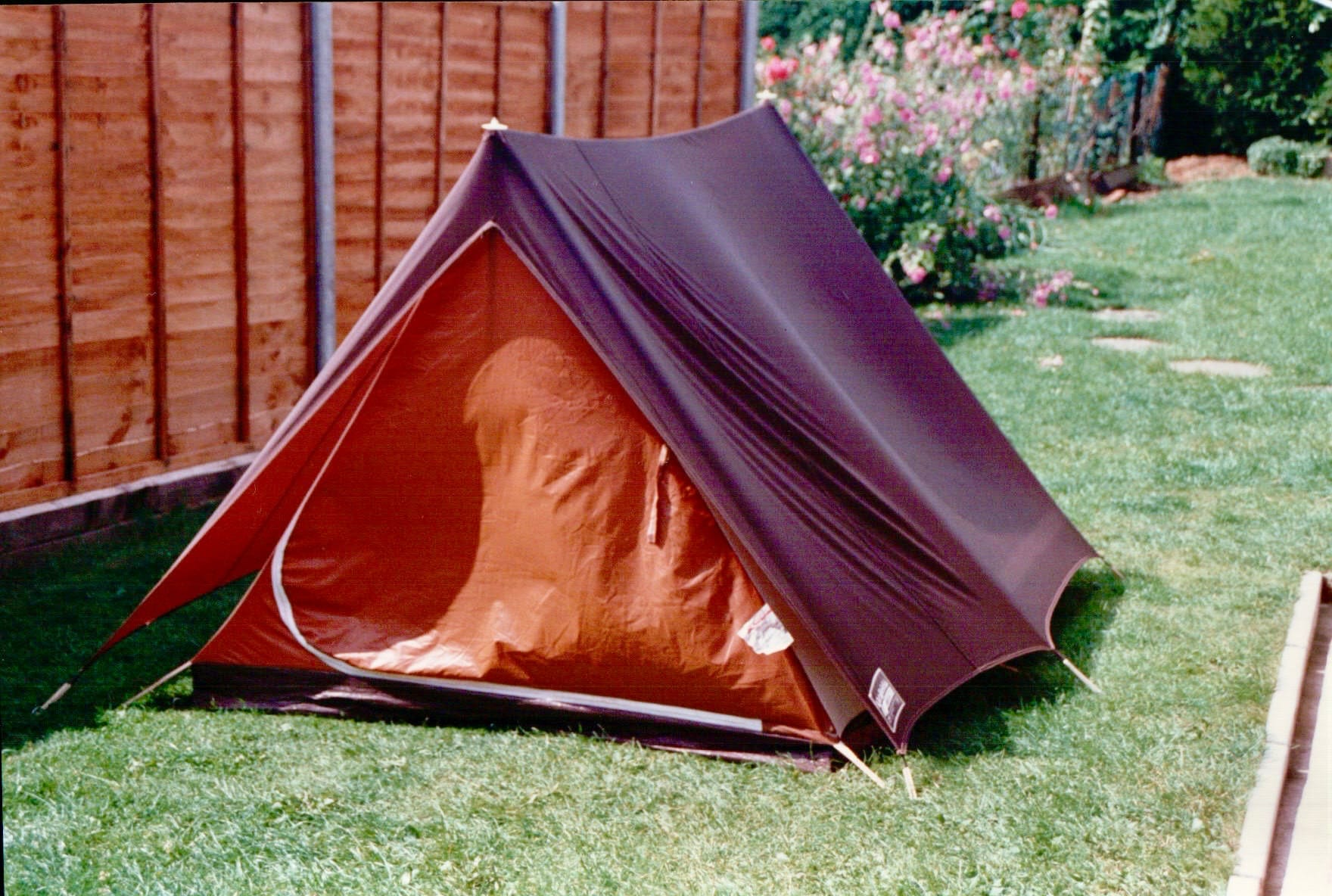
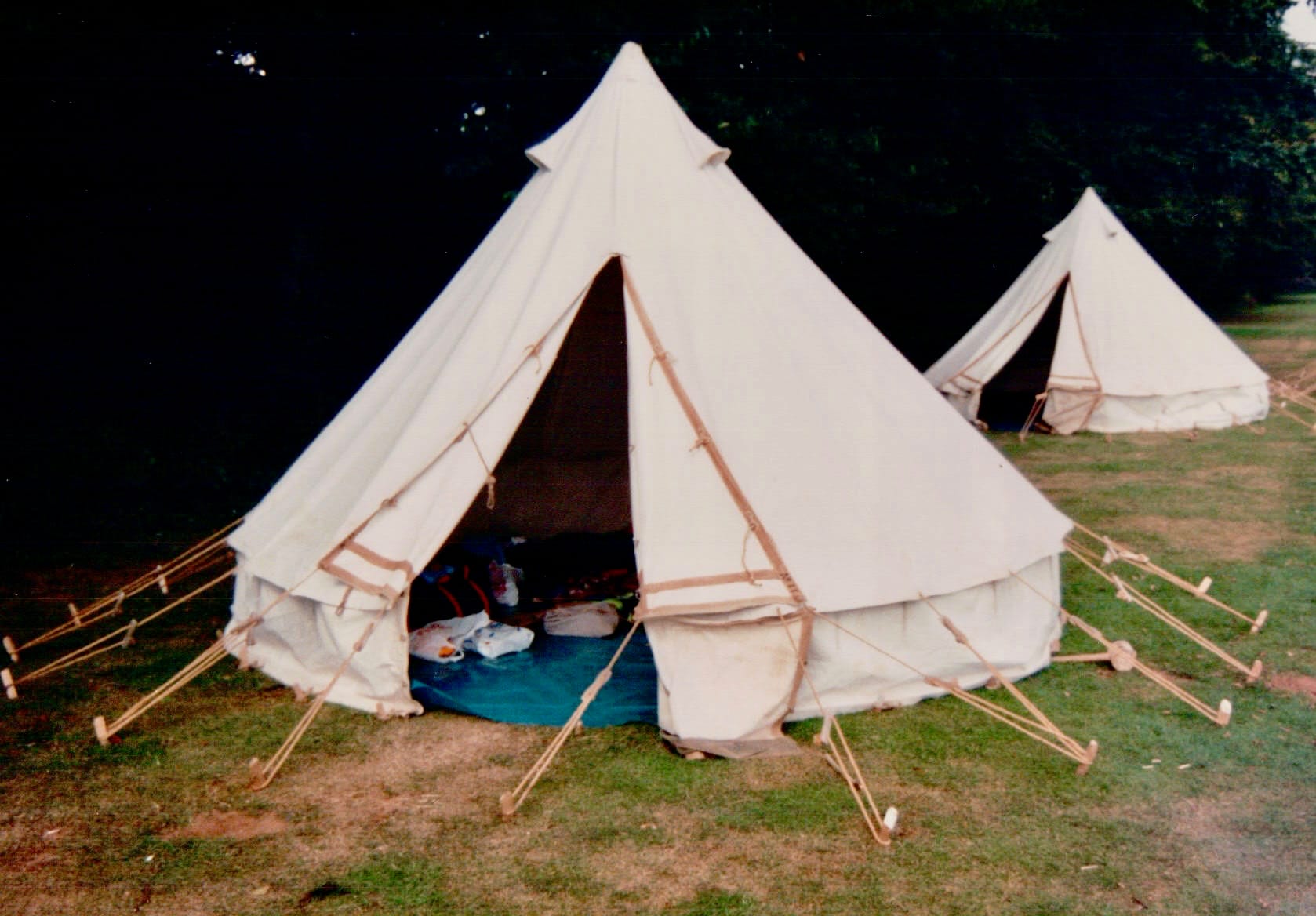
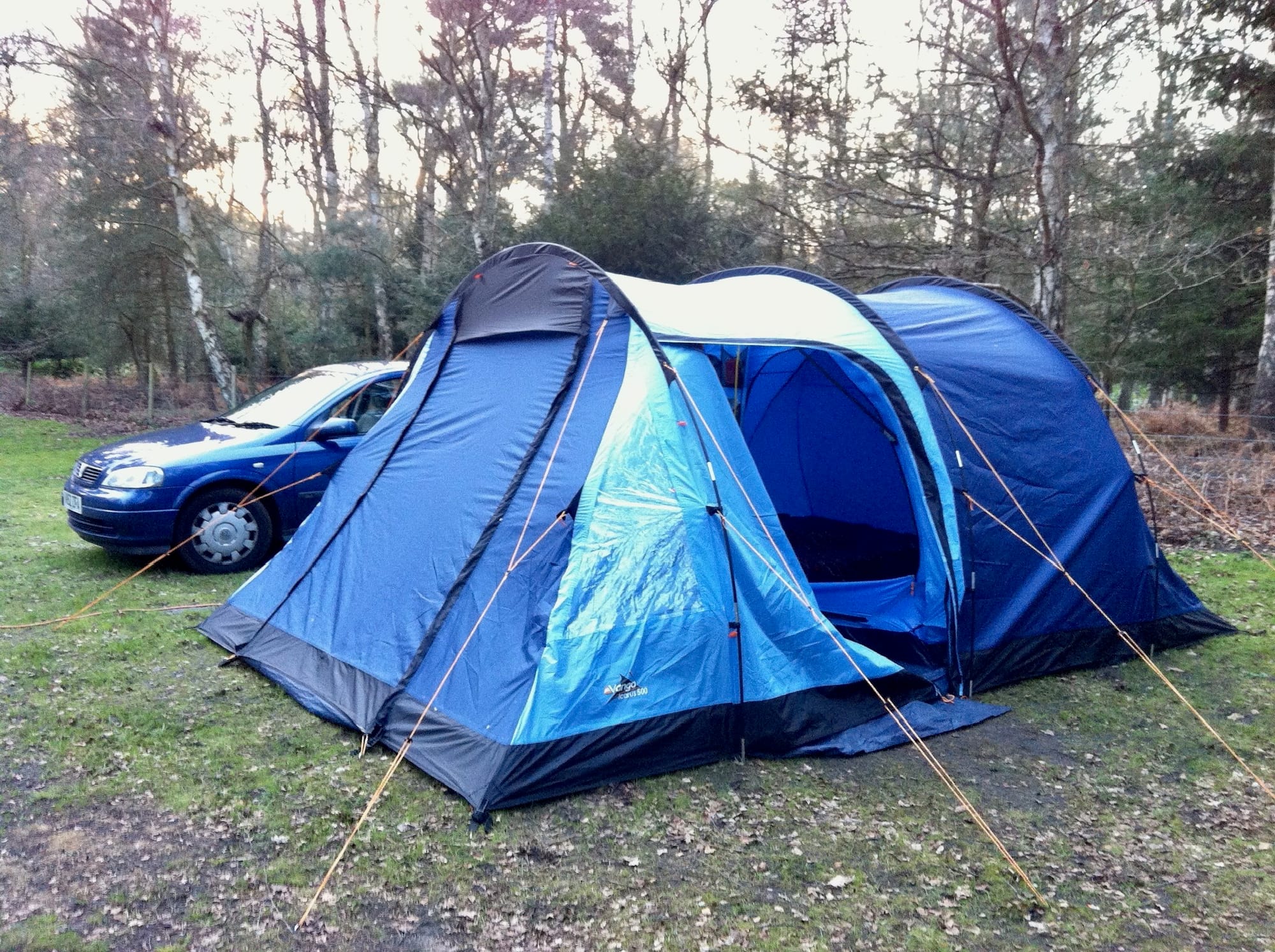
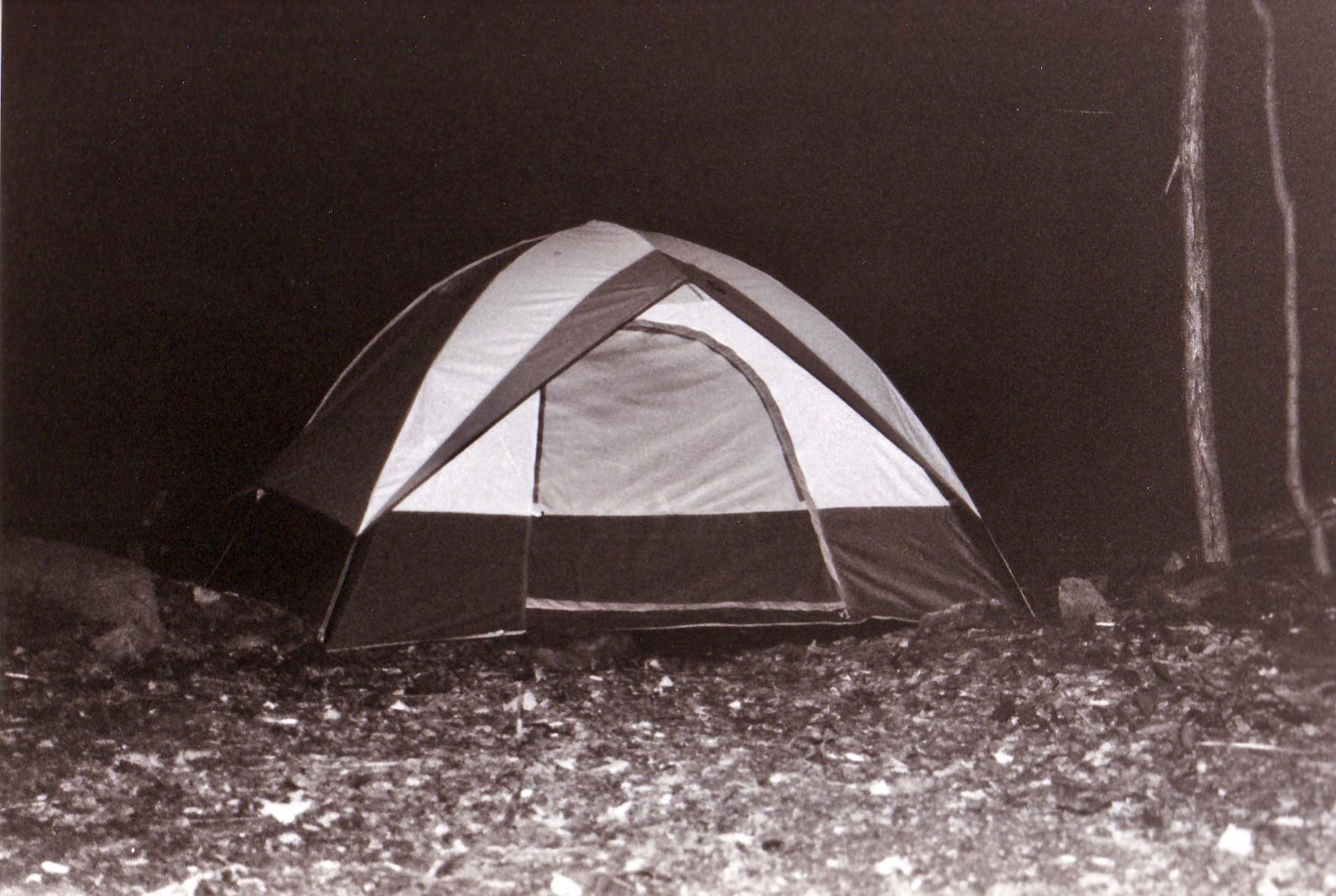
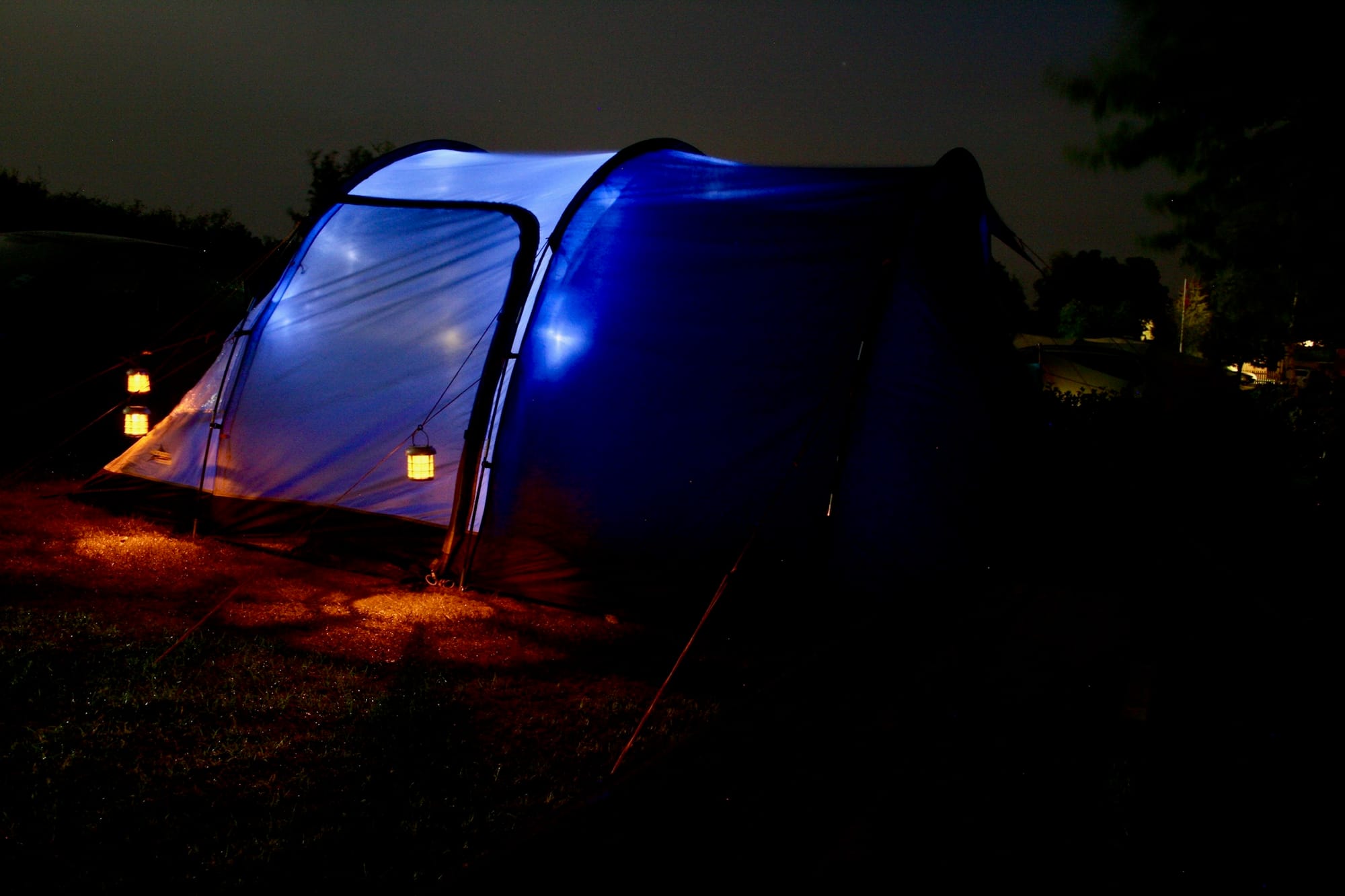
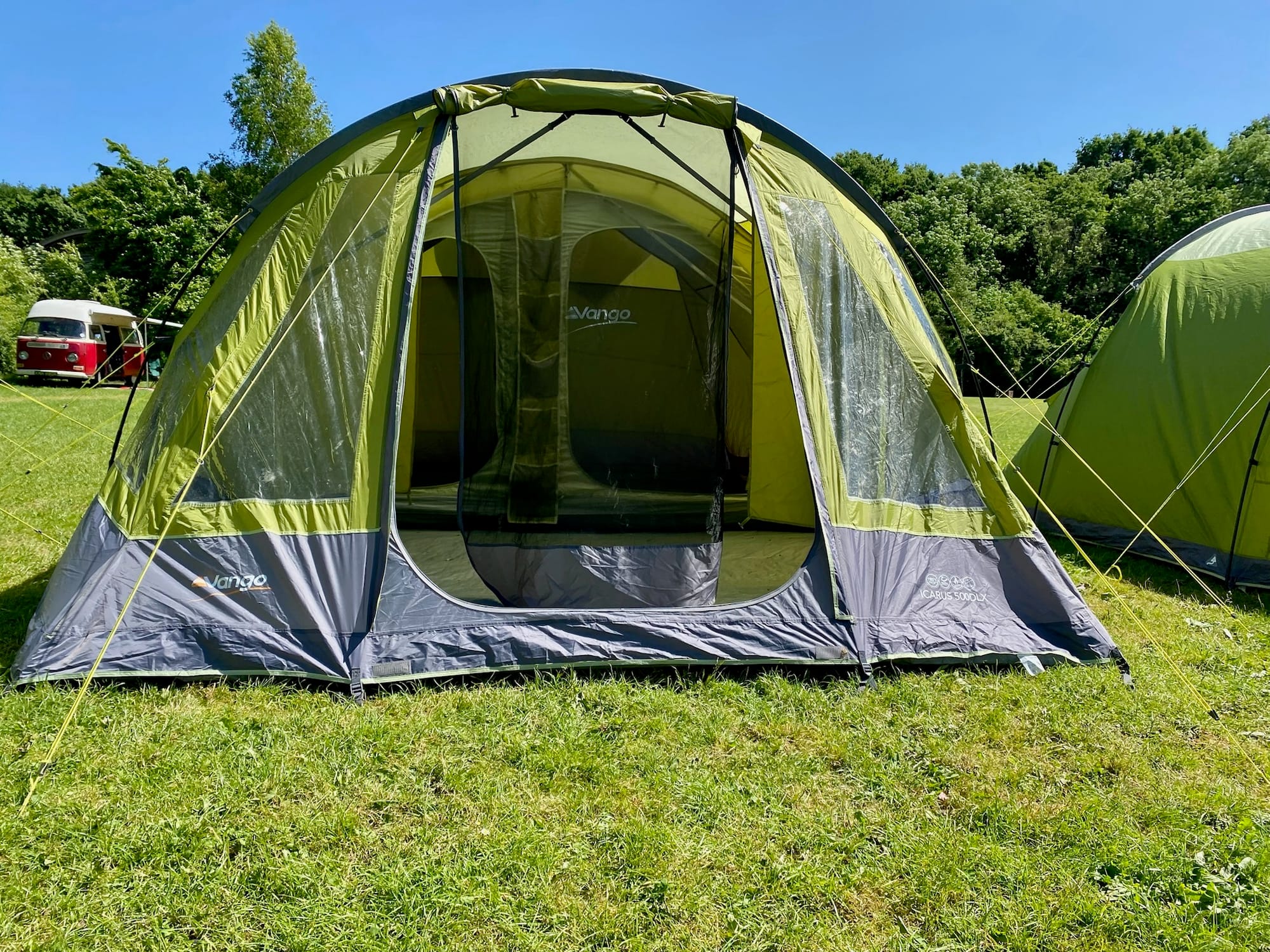
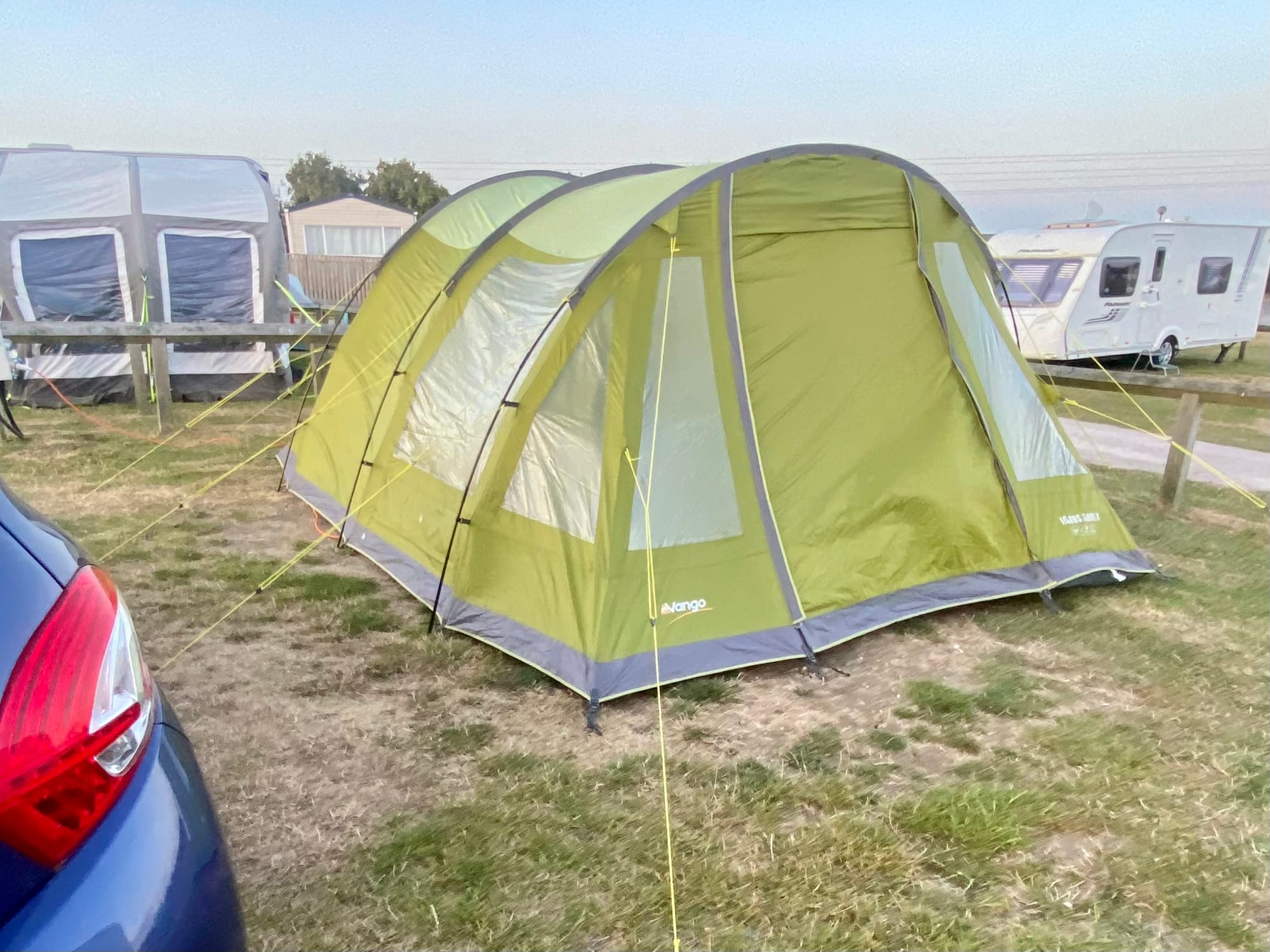
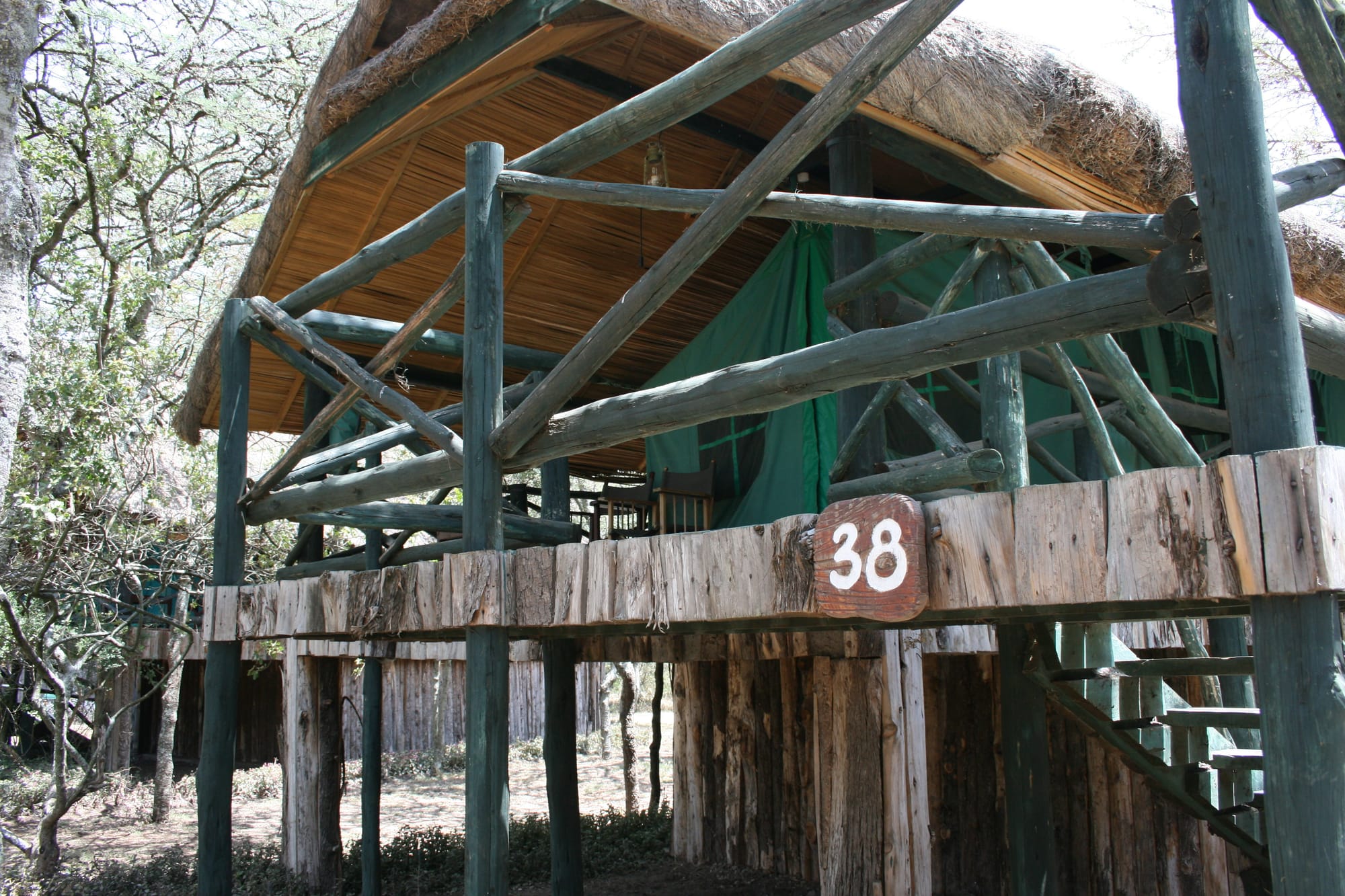
Various tents that I have camped in over the years from my back garden as a child and youth camps, to the wilds of Kenya and bear country in Pennsylvania.
Containers
I also have a fascination with containers: tins, backpacks, cupboards, sheds, tents and vehicles. The design and function of these items and the space within intrigues me. In this vane, I appreciate the wall pockets, hooks, attachment points and doorways in my tents. I develop ways of organising the space inside my tent and it’s fair to say that this is becoming more difficult as my children grow and want to take part in the organisation of our shared environment.
Design
When I buy a tent, as with many purchases both big and small, I like to explore the different options: brand, dimensions, weight, layout, materials and colours. I spend time considering each product and trying to imagine all the situations that may arise and therefore how an item might perform, the pros and cons. I look at the features and the environmental credentials. I’d like to say that I consider the fixability and therefore longevity of a product and how I might reuse, recycle and dispose of it. I find there to be limited answers for this at the moment but hope industries will come back round to the idea of quality materials that can be mended and parts replaced.
Most of the tents I use now tend to be on the lightweight side and made of some kind of plastic: nylon or polyester. With the exception of perhaps the bell tent and safari tent which were probably a cotton canvas. I can see the benefits of both and would love to own a solid canvas tent someday. For most of our trips though, lightweight and frugality take priority.